
What Solar Actually Costs to Install
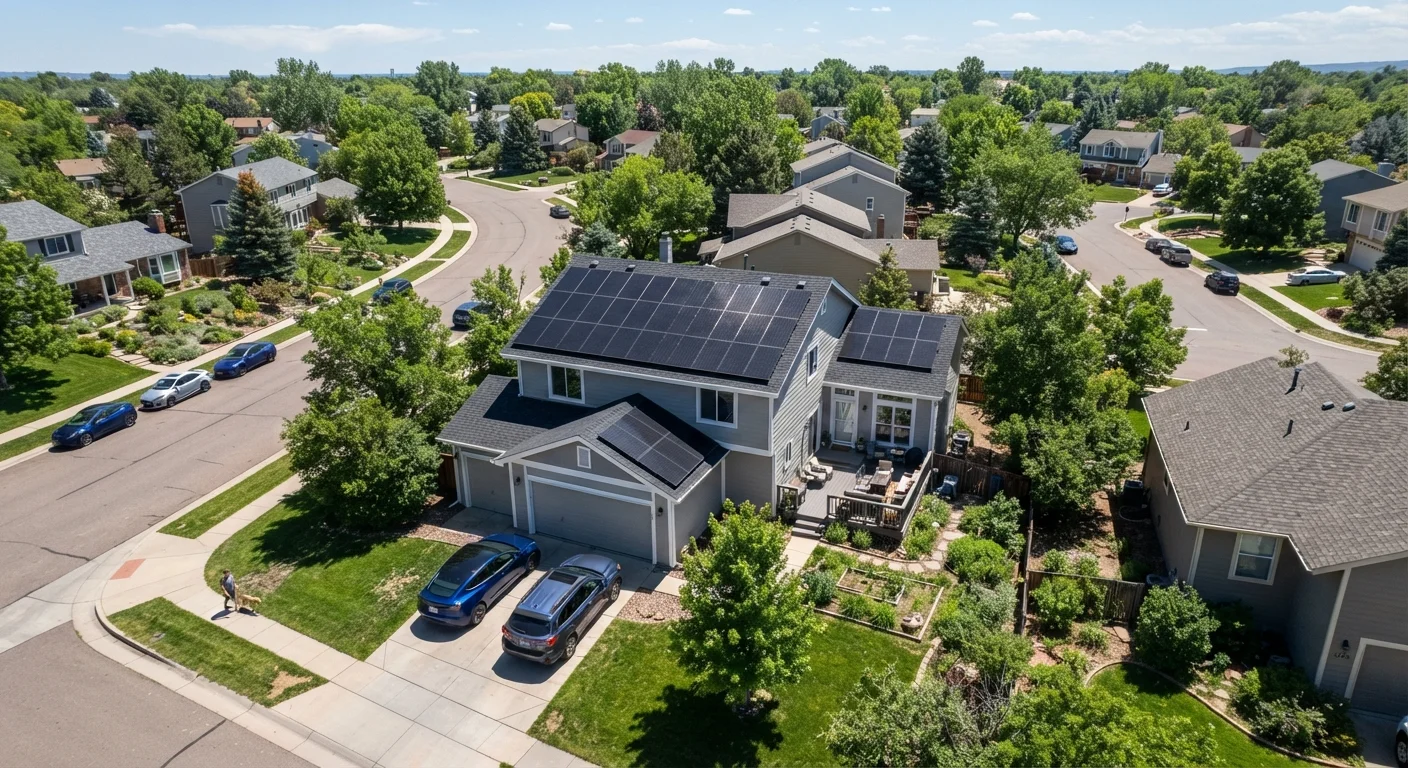
The sticker price for a residential solar system in the US typically falls between $15,000 and $25,000 for a standard 6-10 kilowatt (kW) system, before any incentives are applied. That wide range reflects real variables: your home's electricity demand, local labor rates, roof complexity, and the equipment tier you choose.
The federal Residential Clean Energy Credit (commonly called the Investment Tax Credit, or ITC) currently allows eligible homeowners to claim a percentage of installation costs as a tax credit - not a deduction. The exact percentage has changed over time, so verify the current rate with a tax professional or the IRS directly before factoring it into your budget. State-level rebates and utility incentives vary considerably; some states offer substantial additional savings while others offer little.
Financing matters too. Paying cash yields the highest long-term savings. Solar loans preserve most of the benefit but add interest costs. Leases and power purchase agreements (PPAs) lower the upfront barrier but typically mean you don't own the panels and receive smaller long-term savings. If you're comparing financing options, treat each one as its own financial scenario - they're not equivalent. For a broader foundation on managing home energy expenses, see our practical primer on home energy savings.
$15K-$25K
Typical pre-incentive installation cost
According to the US Department of Energy and solar industry data, a standard 6-10 kW residential system falls in this range before state or federal incentives.
6-12 years
Common payback period range
The National Renewable Energy Laboratory (NREL) has documented payback periods in this range for cash-purchased systems, varying by location and electricity rates.
25-30 years
Typical panel performance warranty
Most tier-one solar panels carry performance guarantees ensuring they produce at least 80% of rated output over a 25-to-30-year period.
How the Savings Stack Up - and When
Solar savings come primarily from reducing the electricity you buy from the grid. If your utility charges $0.15 per kilowatt-hour (kWh) and your panels generate 8,000 kWh per year, that's roughly $1,200 in annual savings - before accounting for any net metering credits you might earn by sending excess power back to the grid.
Payback periods - the time it takes for cumulative savings to equal your original investment - commonly range from 6 to 12 years for cash purchases. Factors that shorten the payback period include high local electricity rates, abundant sunshine, and strong state incentives. Factors that lengthen it include low electricity rates, shading, and financing costs.
Net metering policies, which determine how utilities compensate homeowners for excess solar generation, vary significantly by state and utility. Some programs offer full retail credit; others have shifted to lower compensation rates. This directly affects your savings math, so check your utility's current policy before modeling any projections.
Community Solar: An Option for Non-Homeowners
If you rent or can't install rooftop solar, community solar programs - available in a growing number of states - let you subscribe to a share of an offsite solar array and receive credits on your utility bill. Savings are typically smaller than rooftop solar but require no installation. Check your state energy office website to see whether a program operates in your area.
The Pros of Going Solar
When the conditions are right, solar offers a compelling combination of financial and practical benefits for homeowners.
Reduces monthly electricity bills over time
Once installed, solar generation directly offsets what you buy from the grid. In high-rate markets, annual savings can reach $1,000-$1,500 or more depending on system size and usage.
Federal tax credit reduces net installation cost
Eligible homeowners can claim a percentage of system costs as a federal tax credit, meaningfully reducing out-of-pocket expense - though the benefit depends on your tax liability.
Increases energy independence from utility rates
Utility electricity rates have generally trended upward over time. Generating your own power insulates you partially from future rate increases.
May add resale value to the home
Research suggests owned (not leased) solar systems can increase home resale value, though the amount varies by market and buyer preferences.
Systems are low-maintenance once installed
Solar panels have no moving parts and typically require only occasional cleaning and periodic inverter checks. Most come with 25-year performance warranties.
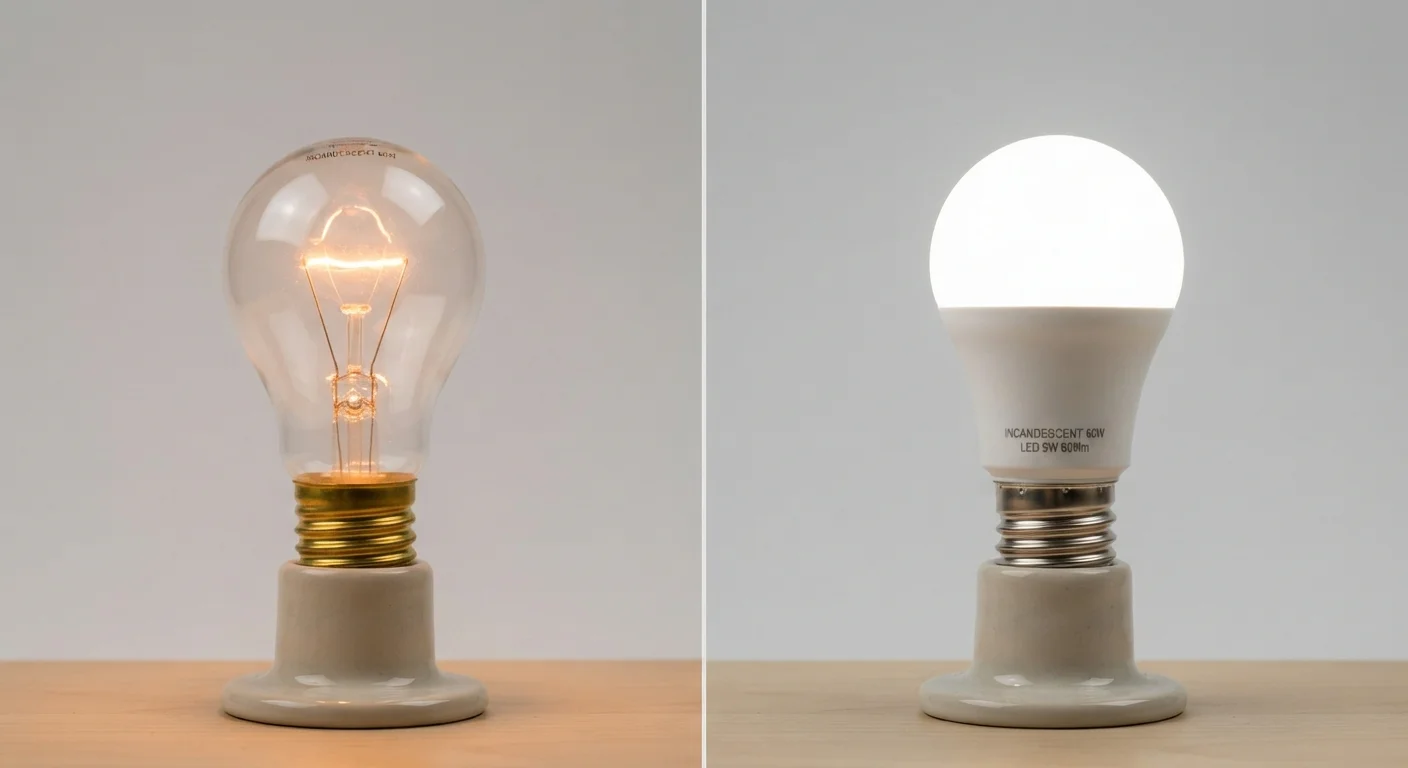
Compared to smaller energy-saving upgrades - like switching to LED lighting - solar is a bigger commitment, but also a bigger lever on your total energy bill.
The Cons Worth Taking Seriously
Solar isn't the right move for every household. These drawbacks are real and worth weighing carefully before you proceed.
High upfront cost is a significant barrier
Even after the federal tax credit, most homeowners face a net cost of $10,000-$18,000 or more. That's a major outlay that not every budget can absorb.
Payback period can exceed a decade
In areas with low electricity rates or limited sun, payback periods stretch well beyond 10 years - meaning the savings window shrinks considerably if you sell or move.
Not suitable for renters or most condo owners
Rooftop solar requires property ownership and roof access. Renters and condo residents are generally excluded, though community solar subscriptions exist in some states.
Roof condition and orientation affect viability
North-facing roofs, heavy shading, or roofs needing replacement within 10 years significantly reduce system performance and financial return.
Net metering policies are changing in some states
Several states have reduced or restructured how utilities compensate homeowners for excess solar generation, which can materially reduce projected savings.
Leases and PPAs come with complex contract terms
Third-party ownership arrangements often include escalator clauses and can complicate home sales, requiring buyers to assume the agreement or pay termination fees.
If you're not ready for solar's upfront demands, a year-round seasonal energy strategy can reduce your bills meaningfully while you build toward a larger investment.
Questions to Ask Before Moving Forward
Before requesting any quotes, clarify a few fundamentals about your specific situation:
- Roof age and condition: Panels last 25-30 years. If your roof needs replacement in 5 years, you'll pay to remove and reinstall them. Address roofing first.
- Shading assessment: Trees, chimneys, and neighboring structures reduce output. A qualified installer should provide a shading analysis, not just a satellite estimate.
- Your actual electricity bills: Pull 12 months of usage data. Low-usage households may see longer payback periods that reduce the financial case.
- Local permitting and HOA rules: Most jurisdictions require permits for solar installation. Some homeowners associations have restrictions - verify before signing anything.
- Installer credentials: Look for installers certified through the North American Board of Certified Energy Practitioners (NABCEP) and check references independently.
Solar is a long-term financial decision. Approach it with the same diligence you'd apply to any major home investment - get multiple quotes, read contracts carefully, and consult a tax professional about the credits available to you specifically.
This article provides general educational information about residential solar energy and does not constitute financial, tax, or legal advice. Incentive programs, tax credits, and utility policies change over time - consult qualified professionals and verify current program details before making any decisions.