

Why Home Energy Costs Add Up Faster Than You Think
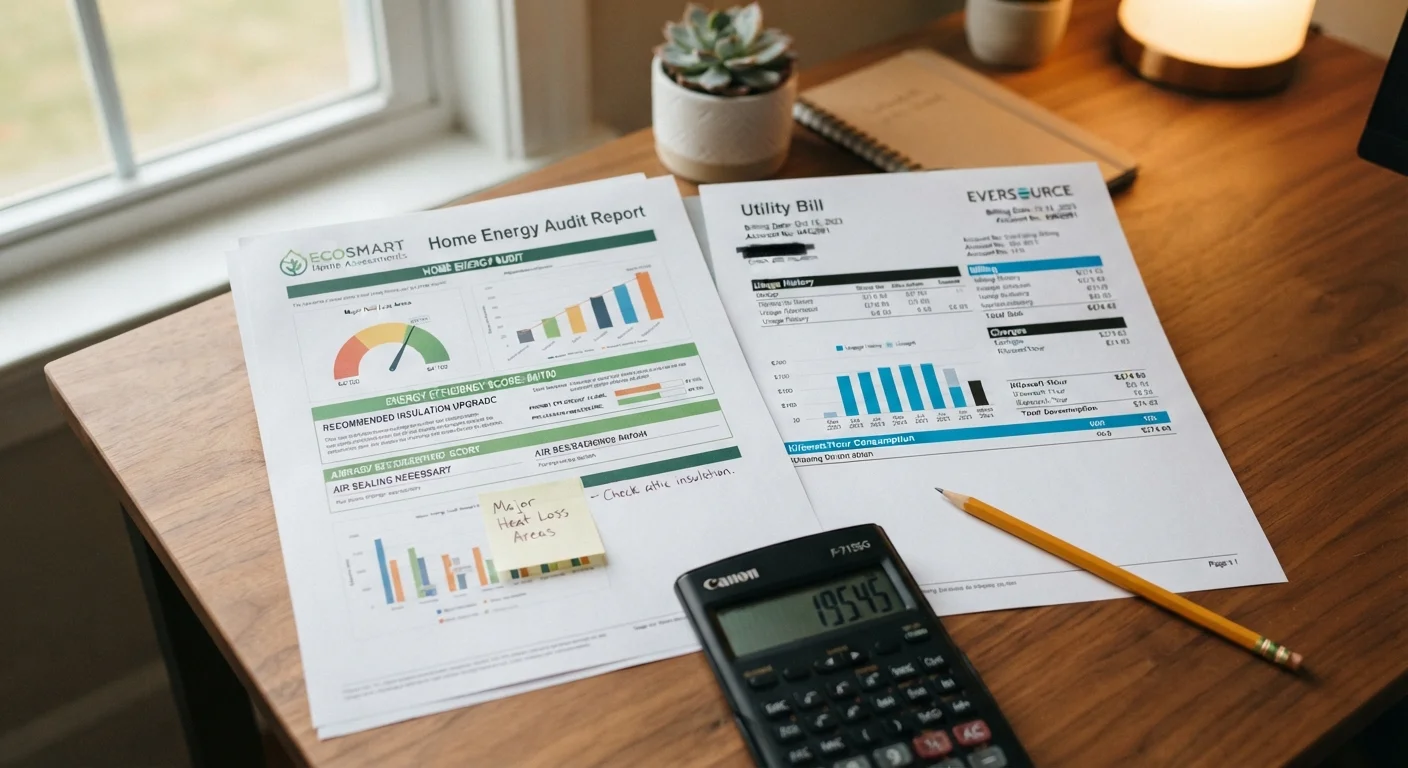
For many households, energy bills are one of those expenses that feel fixed - something that arrives monthly and gets paid without much scrutiny. But unlike a flat subscription fee, your energy bill is almost entirely driven by behavior, equipment, and how well your home holds in heat or cool air. That means it's one of the more controllable costs in your budget.
Heating and cooling typically account for the largest portion of household energy use - often close to half the total bill. Water heating, major appliances, and lighting make up most of the rest. The encouraging news: the biggest drains are often the most fixable. A drafty window, an old water heater set too high, or a habit of leaving devices plugged in overnight can each quietly add dollars to your monthly total.
The goal of this guide isn't to pressure you into expensive upgrades. It's to show you where the low-hanging fruit actually is - and give you a clear path toward tackling the bigger opportunities when you're ready.
Key Concepts Before You Start
A little vocabulary goes a long way when you're trying to understand your bill or compare options. Energy efficiency jargon can make simple concepts feel confusing, so it helps to get grounded before diving into strategies.
Kilowatt-hour (kWh)
The unit your utility uses to measure electricity consumption. One kWh equals using 1,000 watts of power for one hour - so a 100-watt bulb left on for 10 hours uses 1 kWh.
Phantom load
The electricity devices consume while plugged in but not actively in use. Also called standby power, it can account for a surprising share of a household's total electricity use.
R-value
A measure of how well a material resists heat flow. Higher R-values mean better insulating performance - important when evaluating attic insulation or window glazing.
Energy audit
A systematic review of where and how your home uses energy. Audits can be done yourself using a checklist or by a professional who may use tools like a blower door test to find air leaks.
Setpoint
The target temperature you program into your thermostat. Adjusting setpoints during sleeping hours or when the home is empty is one of the simplest ways to reduce heating and cooling costs.
If you want a deeper reference on terminology - from R-value to kWh to SEER ratings - our plain-language energy terms guide covers the most important ones you'll encounter on bills, labels, and audits.
Quick Wins: Low-Cost Changes You Can Make This Week
These changes require little or no money and can show up in your next billing cycle:
- Adjust your thermostat setpoints. Lowering heat by a few degrees at night or when no one's home - and raising your cooling target in summer - reduces runtime on your most energy-intensive system. A programmable or smart thermostat automates this without requiring daily effort.
- Switch to LED bulbs. If you still have incandescent bulbs anywhere in your home, replacing them with LEDs is one of the clearest, most immediate energy wins available. LEDs use significantly less electricity and last much longer. See how the numbers compare in our LED vs. incandescent lighting breakdown.
- Unplug idle electronics. Devices in standby mode - TVs, game consoles, chargers - draw power continuously. Using smart power strips or simply unplugging them eliminates this so-called phantom load.
- Lower your water heater temperature. Many water heaters ship set to 140°F, but 120°F is considered safe for most households and wastes less energy keeping water hot.
- Seal visible drafts. Check window frames and exterior door edges for cold air intrusion. Weatherstripping and draft stoppers are inexpensive and available at hardware stores.
Start With What You Can See and Feel
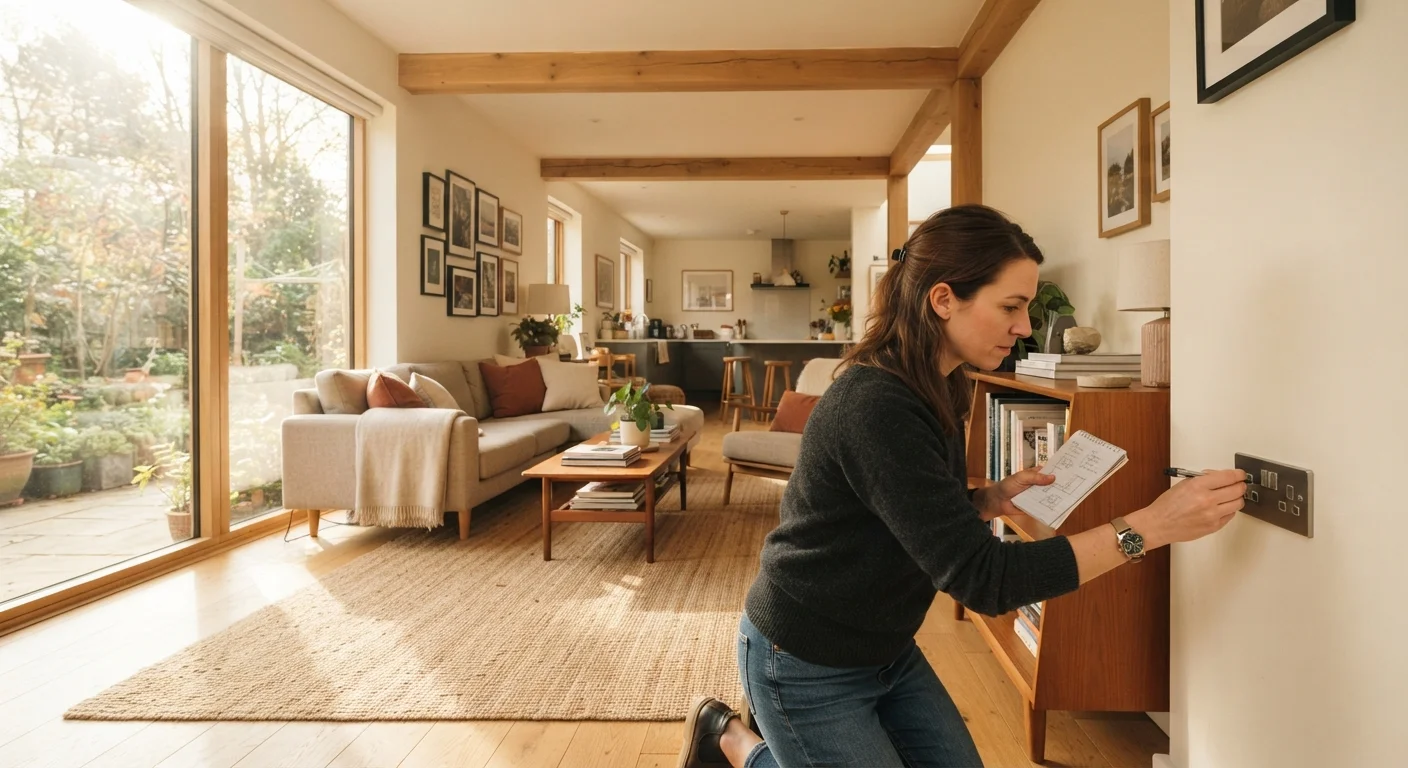
Before investing in any technology or upgrade, walk through your home on a cold or windy day and feel around window frames, door edges, and electrical outlets on exterior walls. Drafts you can feel with your hand are drafts you're paying to heat. Sealing them costs very little and delivers immediate results.
Longer-Term Strategies Worth Planning For
Once you've handled the quick wins, the next tier of savings typically involves modest investment with a longer payback period. These aren't emergencies - but planning for them means you're ready when the opportunity arises.
- Improve insulation. Heat moves toward cold. Poor insulation in attics, walls, or crawl spaces means your heating system works harder to compensate. Adding or upgrading insulation is one of the most cost-effective improvements for older homes, though it often requires a contractor and may involve permits depending on your location. Always verify local requirements before starting any structural work.
- Upgrade major appliances strategically. When appliances near the end of their lifespan, replacing them with more efficient models makes financial sense. Don't replace working appliances early just for efficiency - the manufacturing and purchase cost usually outweighs the energy savings.
- Audit your home systematically. A structured walkthrough of every room reveals patterns a spot-check misses. Our room-by-room energy audit guide gives you a practical checklist whether you rent or own.
Permits and Professional Work
Certain energy upgrades - particularly those involving insulation, HVAC systems, or electrical changes - may require permits or licensed contractors in your area. Requirements vary by municipality. Always check with your local building department before starting work that touches your home's structure, heating system, or electrical panel. Skipping permits can create issues when you sell or insure your home.
Where to Go From Here
Energy saving isn't a one-time project - it's a set of habits and periodic decisions that compound over time. The strategies that matter most shift with the seasons: what you prioritize in January looks different from what you tackle in July. Our year-round seasonal energy guide walks through those adjustments month by month.
The same mindset that helps you reduce energy costs applies to other household expenses. If you're also working to trim transportation spending, the practical strategies in our car cost guide follow a similar logic. And if you're building broader saving habits, the everyday savings approaches we cover are worth layering in alongside your home energy efforts.
Start with what you can control this week. Build from there. The savings are real - they just require a little attention to find.