

Why Energy Needs Shift With the Seasons
Your home doesn't use energy the same way in January as it does in July - and treating it as though it does is one of the most common ways households leave money on the table. Heating and cooling together represent roughly 40-50% of total residential energy use, according to the U.S. Department of Energy. That proportion fluctuates by season, which means your savings strategy should too.
Understanding how your home gains and loses heat - through walls, windows, attic spaces, and air leaks - is the foundation of smart seasonal management. If you're new to energy terminology, the plain-language glossary of energy efficiency terms is a useful starting point before diving into specific tactics.
40-50%
Share of home energy used for heating and cooling
According to the U.S. Department of Energy, space conditioning dominates residential energy consumption.
10%
Estimated savings from thermostat setbacks
The U.S. Department of Energy estimates roughly 10% annual savings by adjusting the thermostat 7-10°F for 8 hours daily.
~$200
Average annual cost of phantom load per household
Standby power from idle electronics can account for around 10% of a home's electricity use, per Lawrence Berkeley National Laboratory estimates.
Spring: Reset and Prepare
Spring is the lowest-stakes season for energy use - temperatures are mild and neither heavy heating nor air conditioning is typically needed. That makes it the ideal time for maintenance and preparation rather than reactive fixes.
- Schedule HVAC servicing. Having your air conditioner inspected before peak demand ensures it runs efficiently when you need it most. A dirty or poorly calibrated system works harder and costs more.
- Check and replace air filters. A clogged filter reduces airflow and forces your system to compensate. Check monthly, replace every one to three months depending on usage and household pets.
- Open windows strategically. On mild days, cross-ventilate by opening windows on opposite sides of the home during cooler morning hours. This pre-cools interior surfaces and delays the need for air conditioning.
- Inspect weatherstripping and caulking. Winter can loosen seals around doors and windows. Re-caulk gaps and replace worn weatherstripping to prevent conditioned air from escaping later in the year.
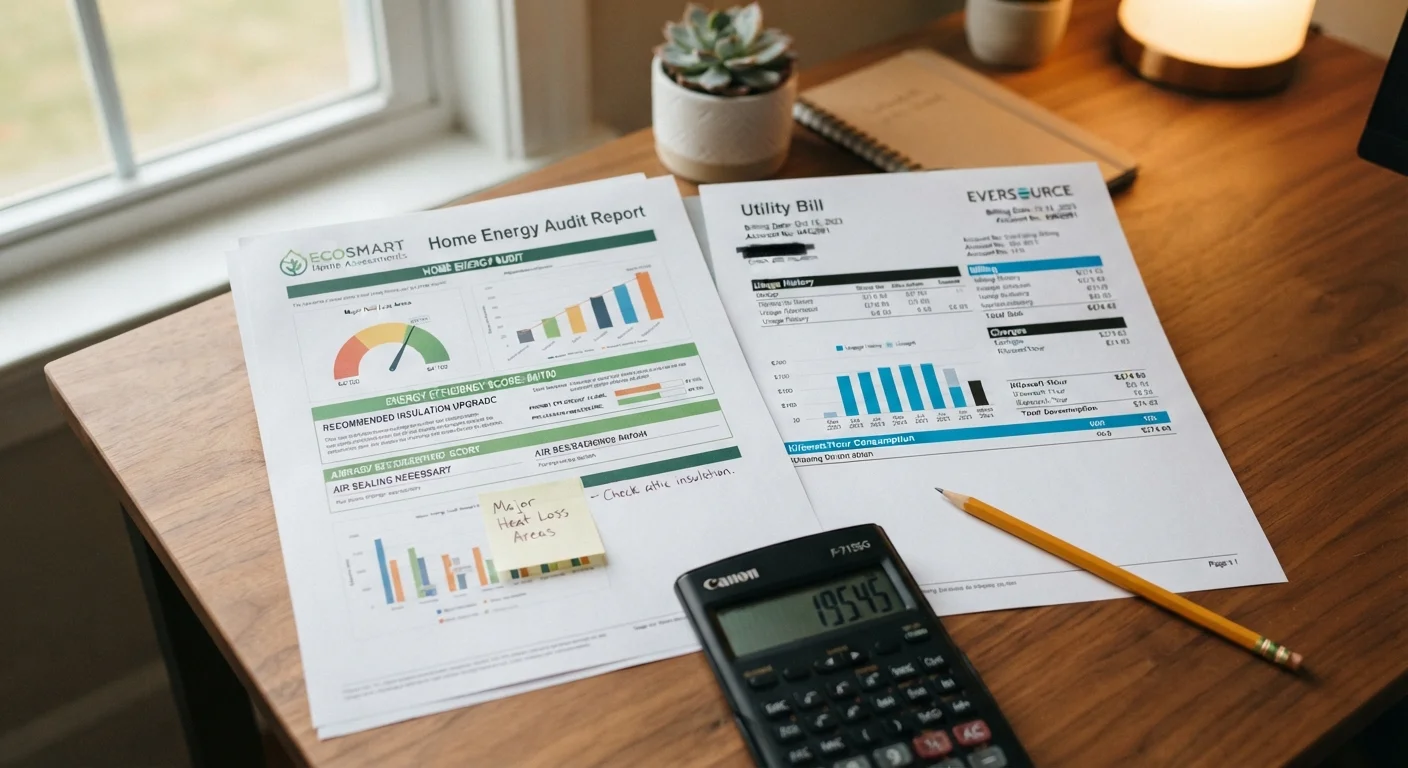
Spring is also a good time to complete a room-by-room energy audit - you'll catch problems before they cost you during peak season.
Summer: Keep Cool Without Overspending
Cooling costs spike sharply in summer, particularly in warmer climates. The goal is to reduce heat gain inside your home and use air conditioning more selectively.
- Set the thermostat higher when away. The U.S. Department of Energy suggests 78°F (26°C) when home and higher when away as a general starting point. Each degree lower can meaningfully increase cooling costs. A programmable or smart thermostat automates this without daily effort.
- Block solar heat gain. Close blinds and curtains on south- and west-facing windows during peak sun hours. Reflective window film is a low-cost addition that reduces heat entering a room.
- Use fans to extend comfort ranges. Ceiling fans allow you to feel comfortable at higher thermostat settings by creating a wind-chill effect. Turn them off when leaving the room - fans cool people, not spaces.
- Shift heat-generating tasks. Run the dishwasher, oven, and clothes dryer during cooler evening or early morning hours to avoid adding heat load during the hottest part of the day.
Before running the air conditioner on the first hot day of summer, do a quick walkaround to make sure all supply vents are open and unobstructed by furniture. Blocked vents force the system to work harder across the entire house.
Restricted airflow is one of the most common and overlooked causes of reduced cooling efficiency - and fixing it costs nothing.
In winter, place a rolled towel or draft snake against the base of exterior doors at night. It's the lowest-tech draft solution possible and can noticeably reduce cold air infiltration while you sleep.
Door gaps are among the easiest entry points for cold air and require no tools or special skills to address temporarily.
Fall: Seal, Service, and Switch
Fall is the mirror of spring - another transition window and another chance to prepare before conditions turn demanding. What you do now directly affects how much you spend heating your home over winter.
- Inspect attic insulation. Heat rises, and an under-insulated attic is one of the biggest sources of energy loss in a home. Insulation upgrades offer some of the best return on investment of any energy improvement.
- Service your heating system. Have a qualified technician inspect furnaces or heat pumps before the first cold snap. Replace filters and bleed radiators if you have a hot-water heating system.
- Reverse ceiling fan direction. Set fans to spin clockwise on low speed to gently push warm air that pools at the ceiling back down into the living space.
- Drain and store outdoor hoses. Disconnecting garden hoses prevents pipes from freezing, which can cause damage that leads to costly repairs - not just an energy issue but a home maintenance one.
Winter: Manage Heat Strategically
Heating is typically the single largest energy expense for US households in colder climates. The priority is retaining the heat you pay for and generating it efficiently.
- Lower the thermostat at night and when away. Dropping the temperature by 7-10°F for eight hours per day can reduce heating costs noticeably over the course of a season, according to Department of Energy guidance.
- Seal drafts around outlets and switches. Electrical outlets on exterior walls are a surprisingly common source of cold air infiltration. Foam gaskets installed behind outlet covers are inexpensive and effective.
- Let sunlight in during the day. Open south-facing curtains on sunny days to allow passive solar heat gain, then close them at sunset to retain warmth.
- Don't heat unused spaces. Close vents and doors to rooms you rarely use, but avoid shutting more than 10-15% of vents in a forced-air system, which can create pressure imbalances.
For a broader view of what's driving your bill each month, understanding your energy bill line by line can help you identify where reductions are actually possible.
Year-Round Habits That Compound Savings
Seasonal tactics deliver the biggest results when paired with consistent daily habits. These practices apply regardless of time of year:
- Unplug idle electronics. Devices in standby mode draw power continuously - collectively known as phantom load or standby power. Power strips with switches make this easier to manage.
- Run full loads only. Dishwashers and washing machines are most efficient when fully loaded. Washing clothes in cold water also reduces water-heating energy significantly.
- Monitor your bill over time. Track monthly usage (measured in kWh for electricity, therms for gas) rather than just the dollar amount, which can fluctuate with rate changes. Rising usage without a clear cause often signals equipment inefficiency.
If you want to go further, rooftop solar may be worth exploring once you've optimized your existing usage - installing panels on an inefficient home reduces their potential benefit. And for broader household budgeting context, smarter everyday spending habits can help energy savings fit into a wider financial picture.