Research, apps, currency awareness, and dietary phrases — everything worth doing before you arrive to eat affordably and confidently abroad.
Key Takeaways
Researching typical meal prices before departure prevents sticker shock and poor snap decisions at restaurants.
Knowing the local currency's smallest useful denominations helps you pay accurately at markets and street stalls.
Learning a handful of dietary phrases in the local language avoids costly ordering mistakes abroad.
Offline maps and food apps downloaded before flying eliminate data charges and dead-zone panic.
Understanding tipping culture at your destination can meaningfully shift your daily food spend.
Why Pre-Trip Food Research Actually Moves the Needle
Most travel overspending on food isn't caused by one lavish dinner — it's death by a hundred uninformed choices. Paying tourist-zone prices three times a day, tipping at rates the local custom doesn't expect, or defaulting to a familiar chain because you never found the market: these are the gaps that pre-trip preparation closes.
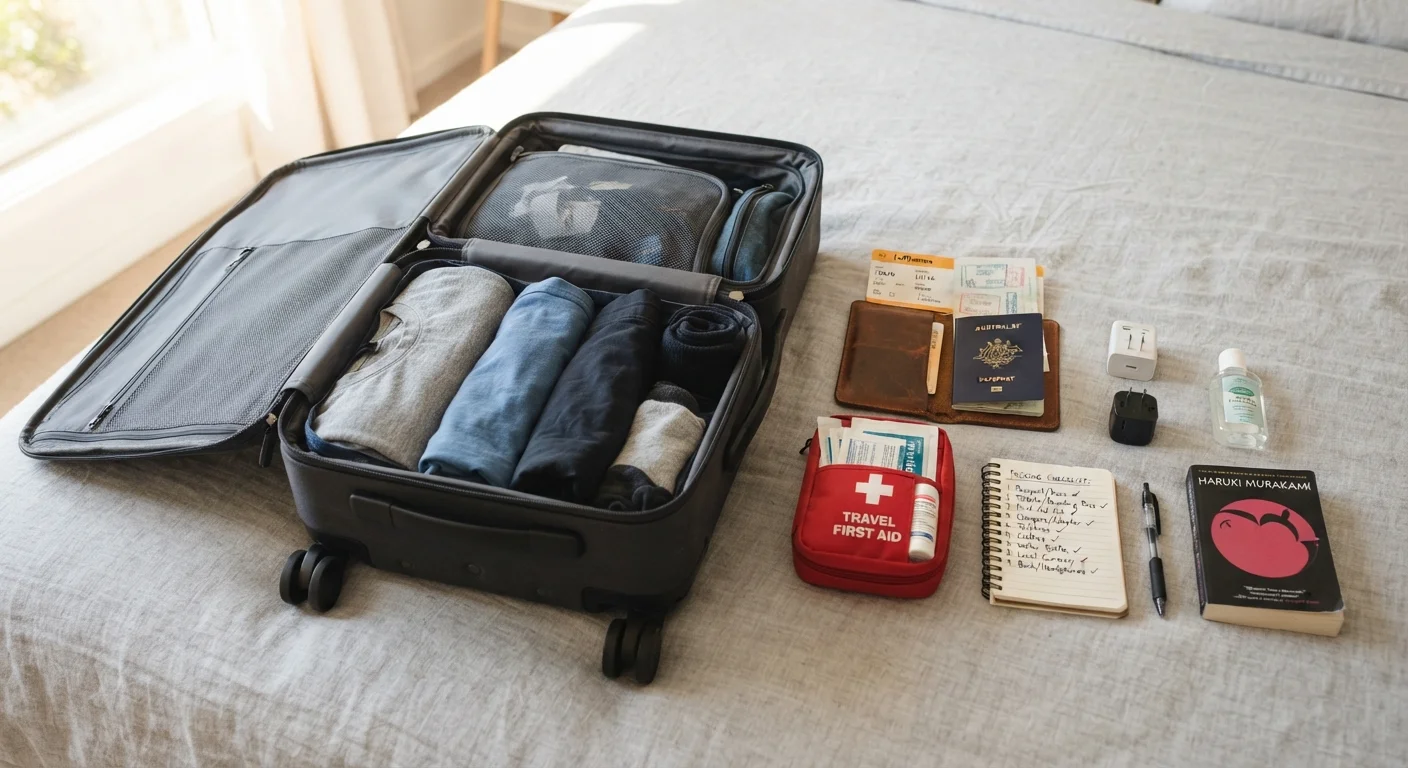
This checklist is designed to be worked through before you board, ideally in the week before departure. Many items take five minutes or less. Done together, they build a mental framework that makes cheaper, better eating feel natural rather than stressful once you're on the ground. Pair it with the full pre-trip checklist if you want to cover logistics beyond food as well.
For what spending actually looks like once you arrive, a region-by-region cost breakdown gives you concrete reference points to budget against.
Destination Food Cost Research
Look up the average cost of a sit-down meal at a local (non-tourist) restaurant in your destination city, and set that as your per-meal benchmark.Must
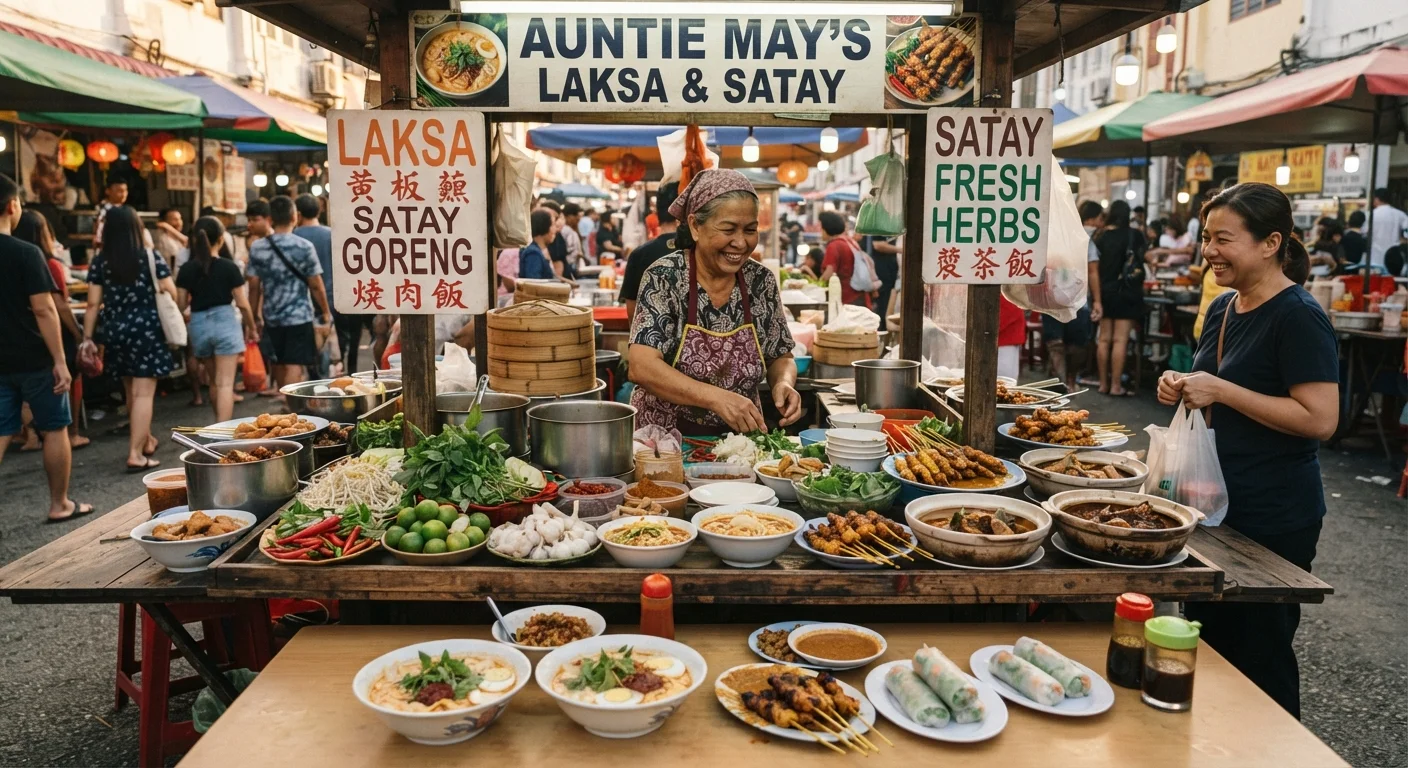
Find the going rate for street food or market meals so you know the floor price for eating out.Must
Identify which neighborhoods or districts are known for affordable local eating versus tourist-priced zones.Must
Research whether a daily food budget of under $15 USD is realistic at your destination, or whether you need to revise expectations upward.Must
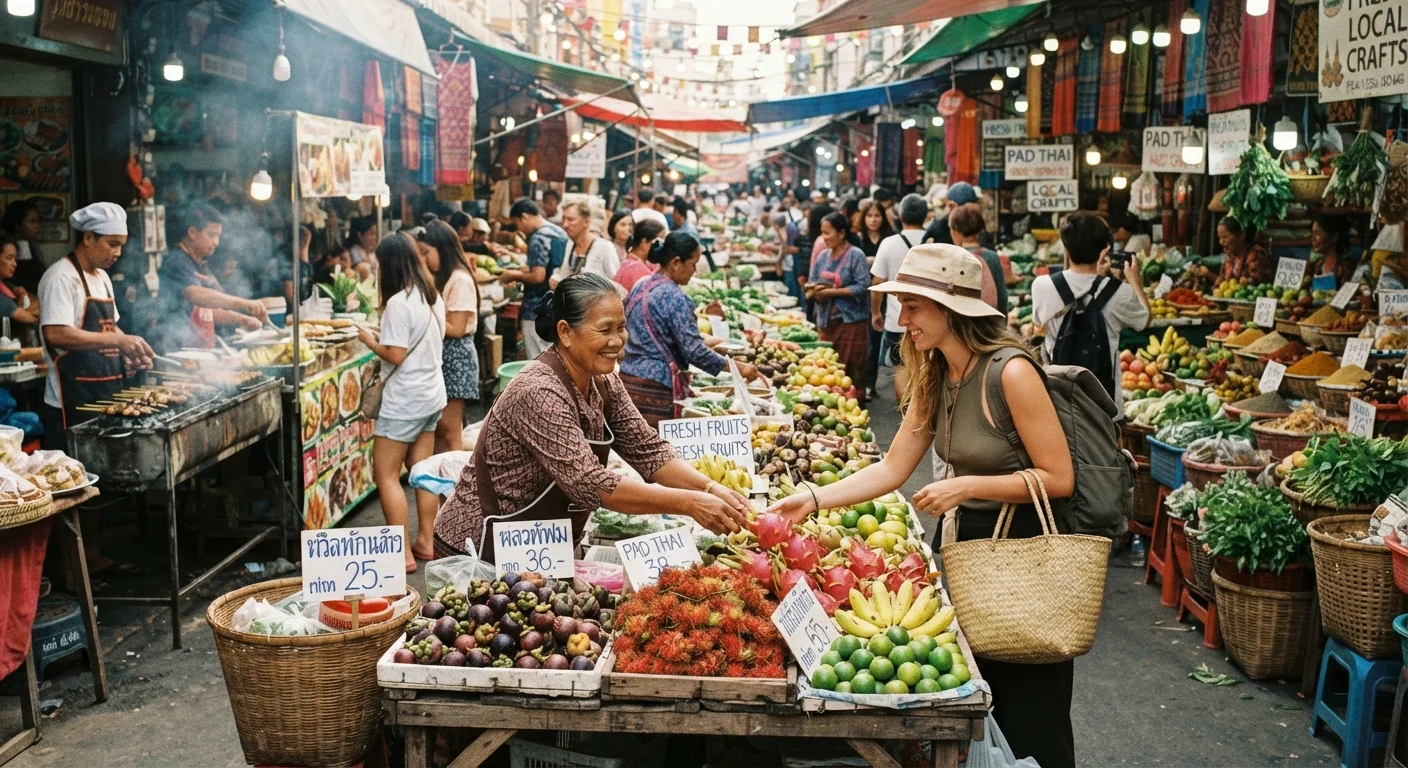
Check whether any local food markets, night markets, or covered markets are near your accommodation — these consistently offer the lowest honest prices.Should
Currency and Payment Preparation
Confirm whether your destination is primarily cash-based or card-friendly for food purchases, especially at markets and street stalls.Must
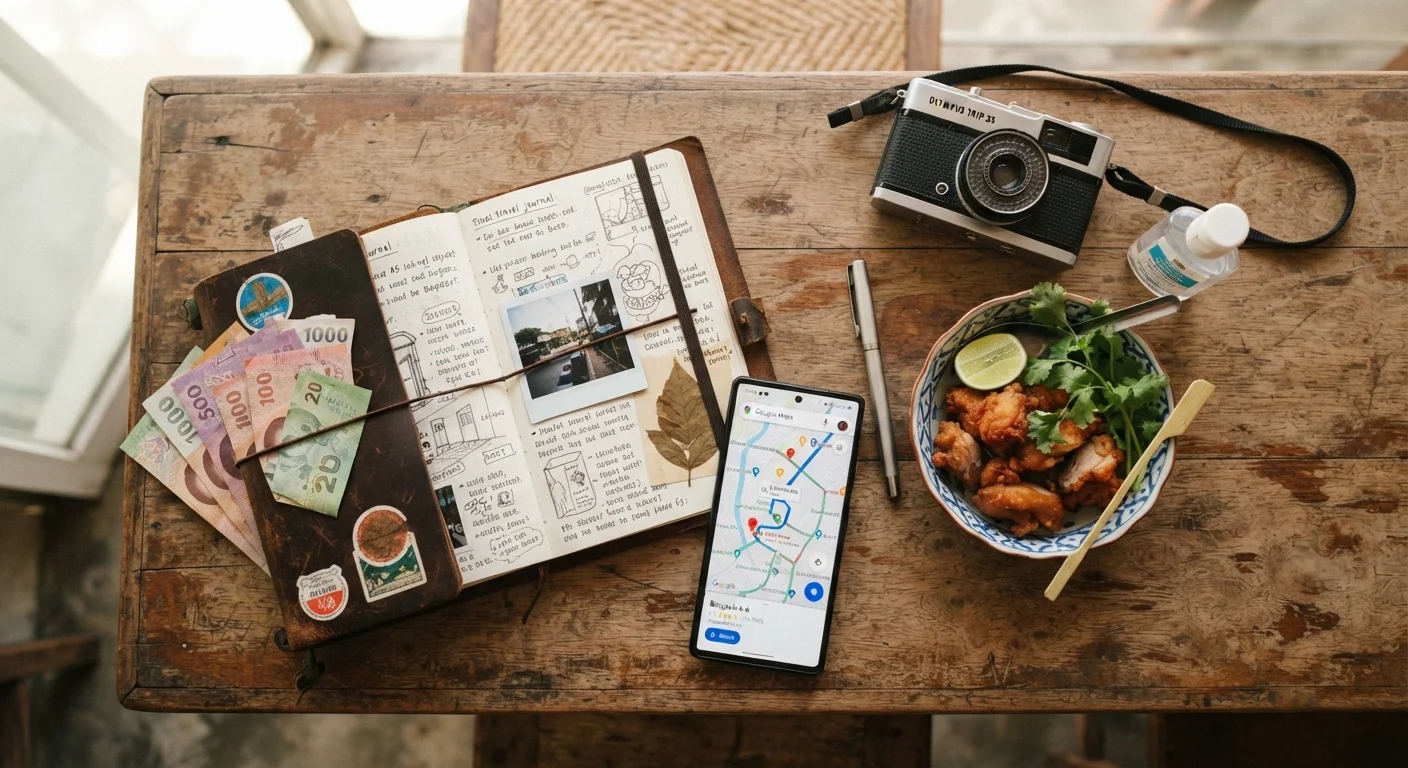
Familiarize yourself with the local currency denominations — know which coins and small notes you'll need for street food transactions.Must
Research typical tipping customs for restaurants: some destinations expect nothing, others expect 10%, and getting this wrong wastes money or causes offense.Must
Note your bank's foreign transaction fees and daily ATM withdrawal limits so you can plan cash withdrawals efficiently rather than making multiple small ones.Should
Understand the rough mental conversion rate between USD and local currency so you can sanity-check prices without a calculator every time.Should
Language and Dietary Communication
Learn or save the phrases for your dietary restrictions or allergies in the local language — relying on English alone is unreliable and can be costly in menu upcharges or wrong orders.Must
Download a translation app with offline language packs for your destination so you can read menus without a data connection.Must
Note whether vegetarian, vegan, or allergen-free options are widely available and affordable, or whether your dietary needs will require spending more.Should
Save a printed or screenshot card with your key dietary needs translated, in case voice translation is impractical in a noisy market setting.Nice to have
App and Resource Setup
Download offline maps for your destination area so you can navigate to recommended food streets and markets without burning data.Must
Install a crowd-sourced restaurant or food discovery app and read recent reviews filtered to local, budget, or non-tourist-facing venues.Should
Save three to five specific affordable eating spots near your accommodation so you have immediate options the moment you land hungry.Should
Set up your preferred currency conversion app with your destination currency pre-loaded so it works offline.Should
Check whether your destination has any local food delivery apps commonly used by residents — these sometimes offer lower prices than tourist-facing restaurants.Nice to have
Practical Logistics
Confirm your accommodation has a kitchen or kitchenette if you plan to cook some meals — this is one of the highest-leverage ways to cut food spend.Must
Pack a reusable bag or tote for market shopping, since many affordable local markets charge for bags or don't provide them.Should
Research whether tap water is safe to drink at your destination — knowing this in advance prevents both health risk and the unnecessary cost of bottled water.Must
Tools Worth Having Ready Before You Arrive
The right apps and resources, downloaded and configured at home on Wi-Fi, make the difference between a confident first afternoon and an expensive, disoriented one. Cellular data abroad is often patchy and costly — don't rely on it for your initial food reconnaissance.
Required
Offline maps app (e.g., Maps.me or Google Maps offline areas)
Navigate to local markets, food streets, and affordable neighborhoods without using mobile data.
Required
Translation app with offline language packs
Read menus and communicate dietary needs in the local language without a data connection.
Required
Currency conversion app (offline-capable)
Quickly verify whether a quoted price is reasonable without doing mental math under pressure.
Optional
Crowd-sourced restaurant or food review app
Find locally reviewed, non-tourist-facing eating spots before and during your trip.
Optional
Notes app or saved document
Store key phrases, saved restaurant names, market hours, and budget benchmarks in one offline-accessible place.
Don't Rely Solely on Review Apps
Popular review platforms increasingly surface tourist-optimized venues because those establishments actively solicit reviews from international visitors. Filter by most recent reviews and look for local-language comments when available — they're a more reliable signal of actual neighborhood pricing. Cross-reference with a quick search in travel forums for current on-the-ground reports.
Once you've completed both the tool setup and the research checklist above, read how restaurant location and meal timing affect what you pay — it covers the in-destination habits that make pre-trip preparation pay off. If food safety is a concern alongside budget eating, a practical food safety framework explains what to watch for without abandoning cheap local options.
This article is for general informational purposes. Prices, tipping customs, and food safety conditions vary by destination and change over time — always verify details with current official sources and recent traveler reports before you travel.
Travel for Less Editorial Team is the collective byline for our editorial team and contributor network. Articles published under this byline or an editorial pen name are researched, written, and reviewed according to our editorial standards for clarity, consistency, and independence before publication.
The content provided on our blog site traverses numerous categories, offering readers valuable and practical information. Readers can use the editorial team’s research and data to gain more insights into their topics of interest. However, they are requested not to treat the articles as conclusive. The website team cannot be held responsible for differences in data or inaccuracies found across other platforms. Please also note that the site might also miss out on various schemes and offers available that the readers may find more beneficial than the ones we cover.