
Why $10 Means Something Very Different Depending on Where You Are
Ten dollars a day for food sounds either impossibly tight or surprisingly generous — and both reactions are correct, depending on your destination. In parts of Southeast Asia, $10 can cover three full sit-down meals with drinks to spare. In Scandinavia, it barely covers a coffee and a sandwich. The difference comes down to local purchasing power, food culture, and where you choose to eat.
This regional breakdown uses realistic, on-the-ground cost ranges rather than theoretical minimums. The goal isn't to show you how to survive on the least possible — it's to show what eating well actually looks like at that budget in each region. For a deeper look at which types of venues deliver the most value, see where budget travelers actually find good food.
| Southeast Asia daily food range | $4–$8 for three meals (Based on local stall and canteen pricing in Thailand, Vietnam, Cambodia) |
| South Asia daily food range | $3–$7 for three meals (Based on dhaba and thali pricing in India, Nepal, Sri Lanka) |
| Central/Eastern Europe lunch special | $5–$8 per set lunch (Typical zestaw dnia or meniu pricing in Poland, Romania, Balkans) |
| Latin America menú del día | $2–$5 per multi-course meal (Common set lunch pricing in Mexico, Peru, Bolivia, Guatemala) |
| Japan convenience store meal | $3–$6 per bento or onigiri set (Major chains; pricing subject to change) |
| Western Europe grocery budget | $10–$15/day realistic with self-catering (General estimate; varies significantly by city and country) |
Region-by-Region Breakdown
Southeast Asia
Daily food budget verdict: Very achievable, with room to eat well.
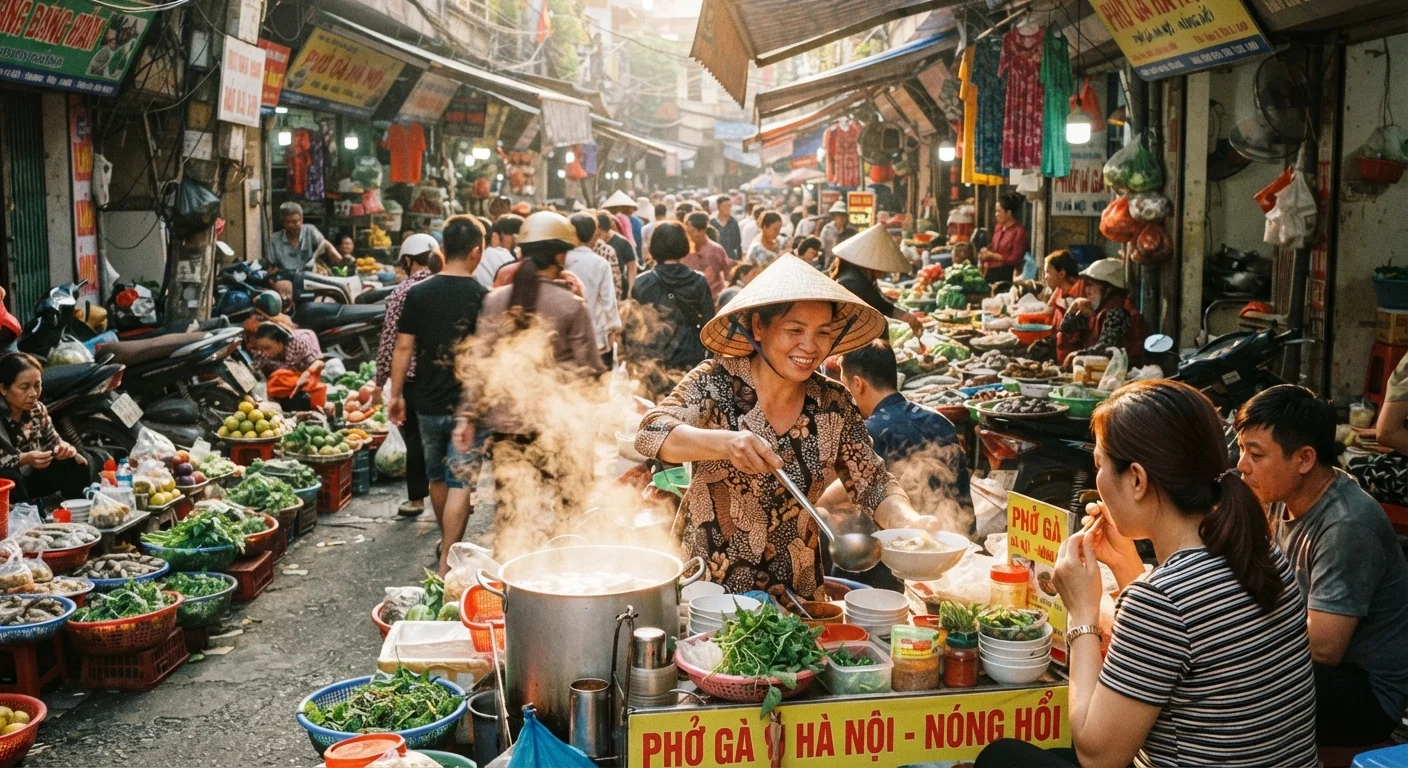
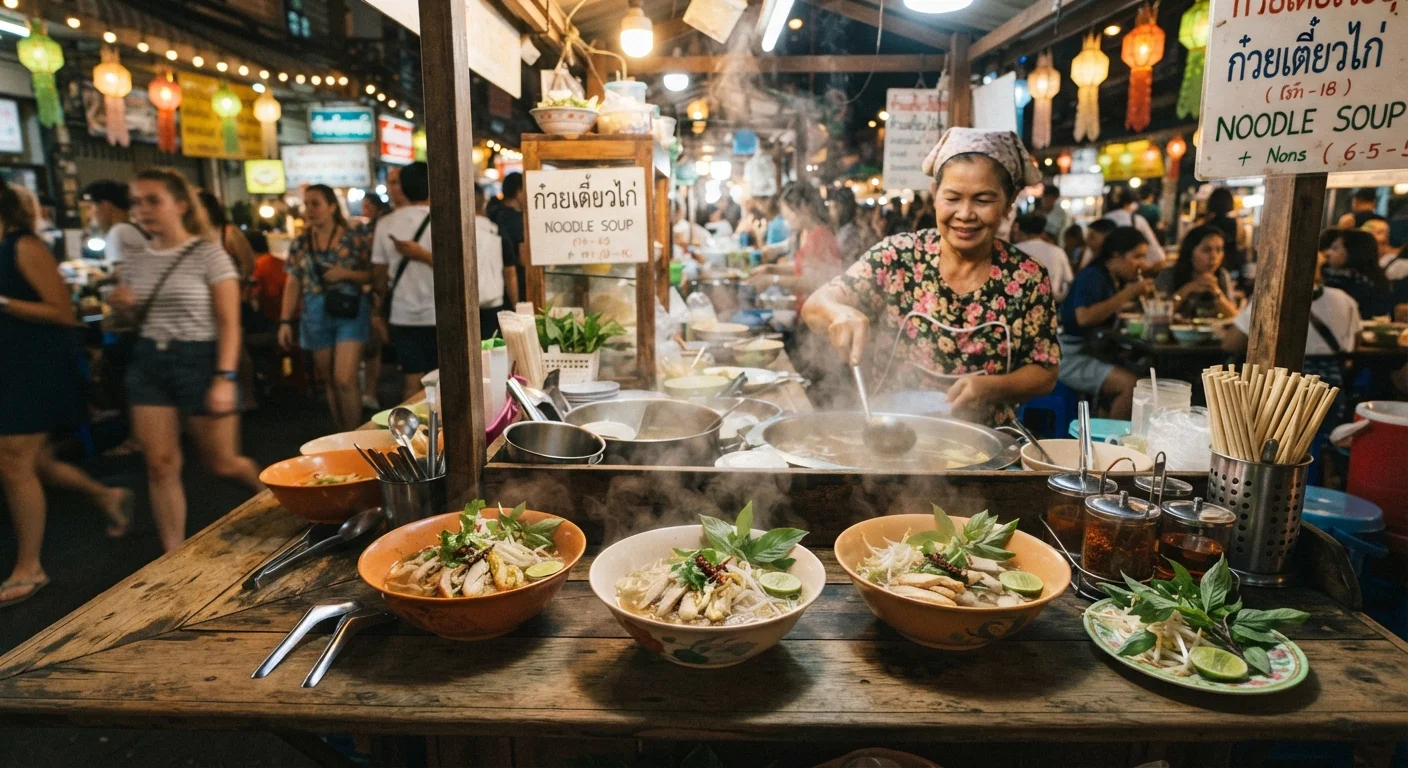
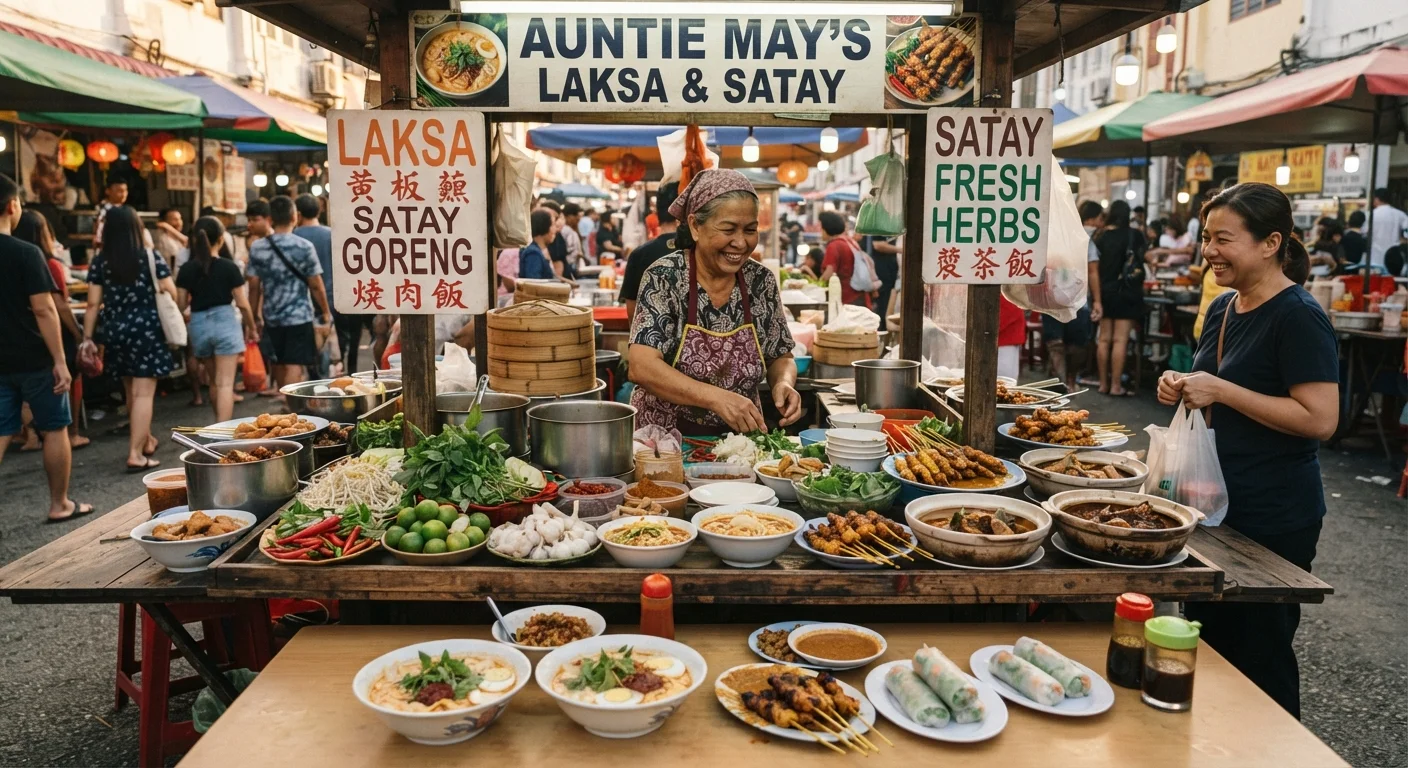
Countries like Vietnam, Thailand, Cambodia, and Indonesia remain among the most food-friendly destinations for budget travelers. Street food staples — noodle soups, rice dishes, grilled skewers — typically run $1–$2.50 per meal at local stalls. A $10 daily budget generally covers three meals plus snacks or drinks. Sit-down restaurants catering to locals (not tourist strips) often charge $3–$5 for a full plate.
South Asia
Daily food budget verdict: Comfortable, especially in India and Nepal.
India offers some of the lowest food costs in the world for local cuisine. A thali (a multi-dish set meal) at a non-tourist eatery commonly costs under $2. Nepal and Sri Lanka sit slightly higher but still well within range. Bangladesh and Pakistan are similarly affordable. $10 a day in this region typically means eating three solid, satisfying meals — often with variety.
Central and Eastern Europe
Daily food budget verdict: Manageable in most countries, tighter in capitals.
Countries like Poland, Hungary, Romania, and the Western Balkans offer solid value. A lunch special (zestaw dnia in Poland, meniu in Romania) with soup, main course, and drink often costs $5–$8. Bakeries and market stalls fill gaps cheaply. Western European capitals — Vienna, Prague in peak season, Amsterdam — push $10 close to its limits for one sit-down meal.
Latin America
Daily food budget verdict: Strong in most of the region; tighter in parts of South America.
Mexico, Guatemala, Bolivia, and Peru offer excellent value. Set lunches called menú del día (or almuerzo) are a cornerstone of local eating culture — typically a multi-course meal for $2–$5. Street tacos, salteñas, and fresh fruit juices are cheap fillers. Argentina and Chile have higher costs, and inflation has made some destinations more volatile — verify current conditions before budgeting.
Sub-Saharan Africa
Daily food budget verdict: Variable — local markets are affordable, tourist areas are not.
In countries like Ethiopia, Tanzania, Uganda, and Ghana, local restaurants and market canteens serve filling stews, rice dishes, and injera-based meals for $1–$4. However, costs in tourist corridors (safari towns, beach resorts) can be dramatically higher. Staying close to local eating venues makes $10 very workable. East African cities tend to be cheaper than West African capitals.
Western Europe, North America, Australia, Japan
Daily food budget verdict: Difficult without strategy; grocery stores become essential.
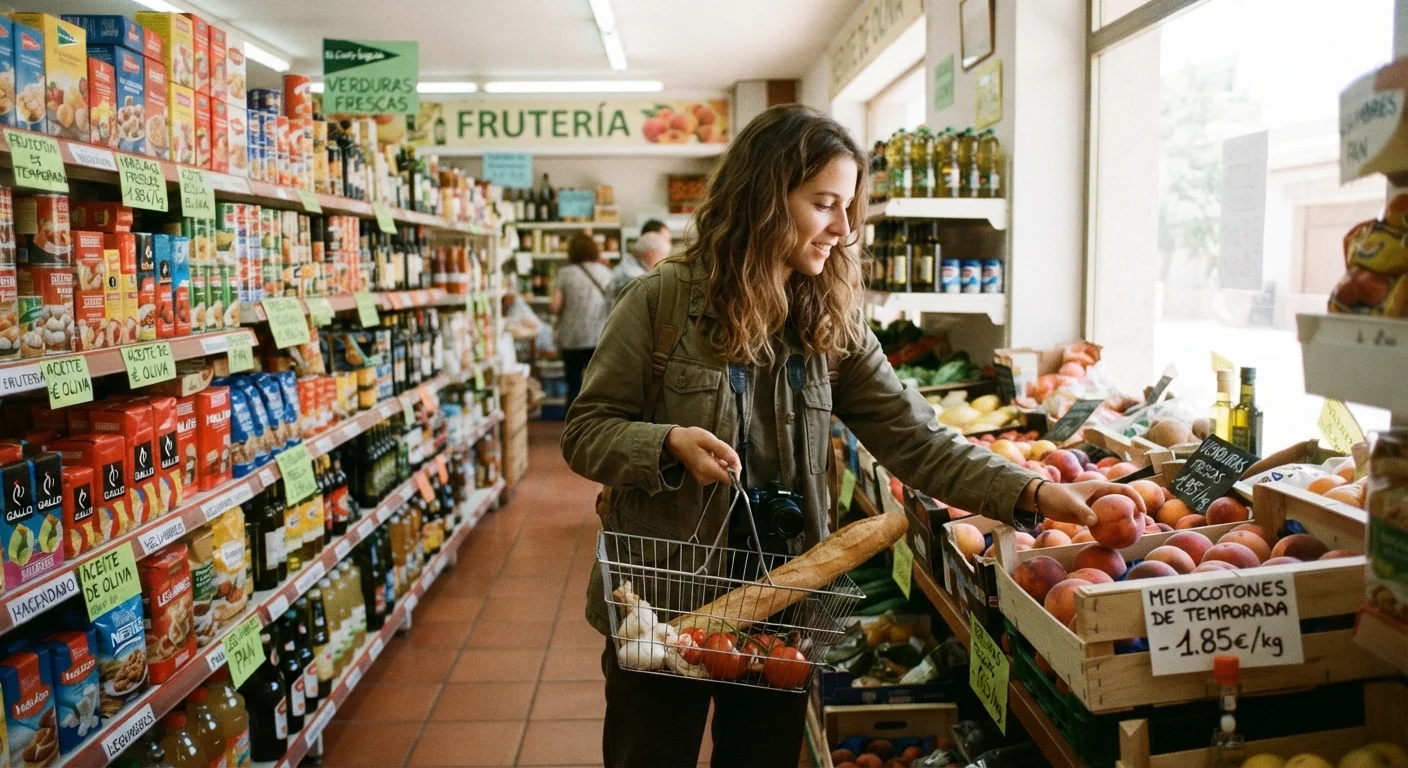
$10 a day is genuinely hard in high-income destinations. In Japan, convenience store meals (onigiri, bento boxes) offer surprising quality for $3–$6, making $10 stretch further than expected. In Western Europe and Australia, grocery shopping and self-catering are often the only realistic path. See how to use grocery stores abroad strategically for practical guidance on making this work.
Menú del día
A fixed-price set lunch common across Latin America and Spain, typically including soup, a main dish, sometimes dessert, and a drink. Usually the highest-value meal available to travelers on a budget.
Thali
A South Asian set meal served on a single plate or tray with multiple small portions of different dishes — curries, rice, bread, and sides. Widely available at low cost in India and Nepal.
Local purchasing power
The real-world value of money in a specific location, reflecting local wage levels and prices. A fixed dollar amount buys far more in a low-income country than in a wealthy one.
Tourist corridor
Areas of a city or region — typically near major attractions, beaches, or transport hubs — where prices for food, lodging, and services are significantly higher than in neighborhoods where locals live and eat.
Making the Budget Work Across Any Region
A few habits consistently make $10 go further regardless of destination. Eating the main meal at midday — when set-lunch deals are common — cuts costs significantly compared to ordering à la carte in the evening. Avoiding anything labeled for tourists (waterfront restaurants, hotel dining rooms, venues with photos on the menu) can easily halve your spend in the same city.
Food safety is a real consideration when eating cheaply, particularly at unmarked stalls. High turnover is a reliable proxy for freshness — busy stalls cycle through food quickly. For a practical framework on navigating this, eating cheap abroad without getting sick covers what to watch for without being alarmist.
It's also worth being honest about what extreme frugality costs beyond money. Obsessing over every meal can drain enjoyment from a trip and occasionally means missing a genuinely good local experience for the sake of saving $3. the trade-offs of extreme food budgeting explores this tension directly. The goal is eating well within a budget — not just eating as little as possible.