
The Tourist Tax Is Real — and It Starts With Location
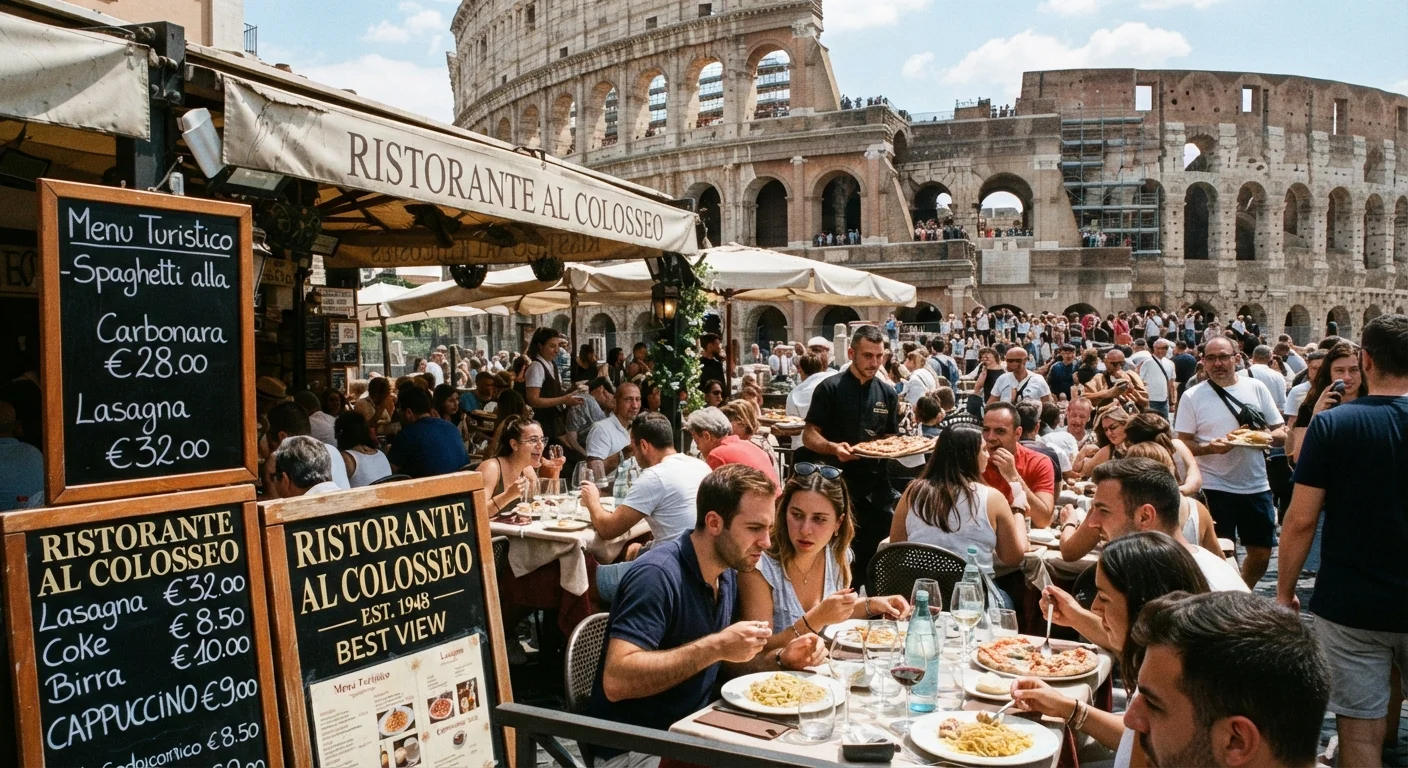
The single fastest way to overpay for food abroad is to eat wherever is most convenient to your itinerary. Restaurants positioned steps from major landmarks frequently charge 50–100% more than equivalent spots two or three blocks away — not because the food is better, but because foot traffic gives them no incentive to compete on price.
Understanding why the markup exists is the first step to avoiding it. The fix is simple: walk. A ten-minute detour into a residential street or a neighborhood market district can cut a meal cost in half. Use mapping apps to search for neighborhoods where locals actually live and shop, then look for restaurants with handwritten menus, no photos on the signage, and prices listed in the local language rather than translated for visitors.
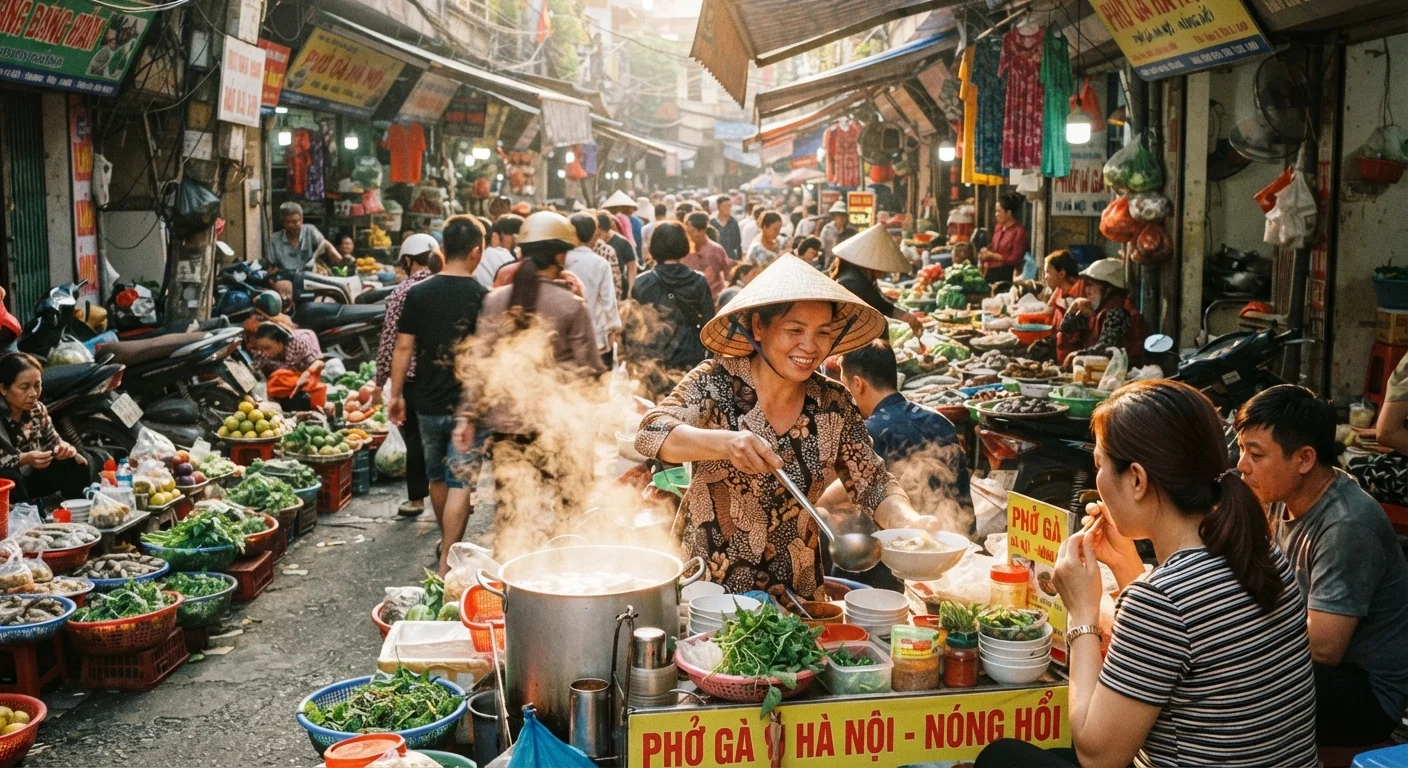
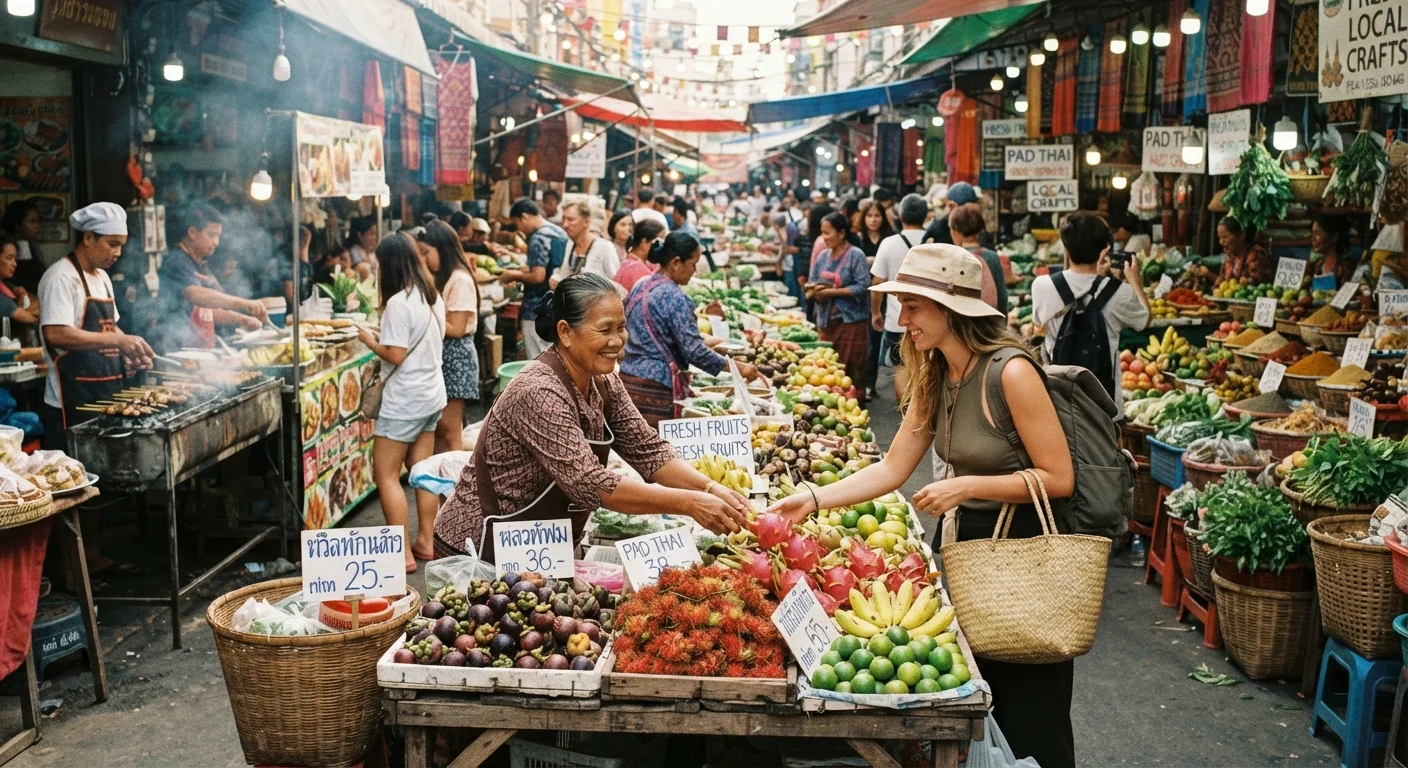
Markets, canteens, and side streets consistently deliver the best food-to-cost ratio in almost every country. These aren't hidden gems — they're where working locals eat every day, which means vendors depend on repeat business and fair pricing rather than one-time tourist spend.
Proven Practices for Spending Less on Food Abroad
These approaches apply across most destinations and can be layered together to meaningfully reduce your daily food spend without sacrificing quality or variety.
Eat where locals eat on weekdays, not where tourists congregate on weekends
Tourist-facing restaurants in popular areas adjust their pricing to capture visitors who won't return. Weekday lunch crowds at neighborhood spots are almost entirely local, which keeps prices competitive and portions honest.
Use the lunch window to eat your biggest, most structured meal of the day
Fixed lunch menus are a pricing convention in many countries that exists specifically for working locals who need an affordable midday meal. The same kitchen, the same ingredients — just served at a lower margin during off-peak hours.
Shop at local markets for at least one meal per day
Produce markets, covered food halls, and wet markets sell fresh, local ingredients at prices set for residents. Assembling even a simple meal from market ingredients costs a fraction of any restaurant equivalent.
Avoid ordering drinks at tourist-facing restaurants
Beverages — particularly imported sodas, bottled water, and alcohol — carry the highest markup of anything on a restaurant menu. They add cost without adding nutritional substance and are almost always cheaper from a nearby shop.
Learn two or three key phrases in the local language for ordering
Being able to ask 'what's the daily special?' or 'what do locals usually order here?' signals to vendors that you're not expecting a tourist menu, and often leads to being shown options that don't appear on the English-language menu.
Timing, Fees, and the Details That Add Up
Even travelers who eat in the right places can overspend if they ignore meal timing and billing structure. Many countries — particularly in Europe and parts of Latin America — offer a fixed lunch menu (sometimes called a menu del día, prix fixe, or daily special) that includes multiple courses for significantly less than ordering à la carte at dinner. Shifting your main meal to midday can cut that meal's cost by 30–40% in countries where this practice is common.
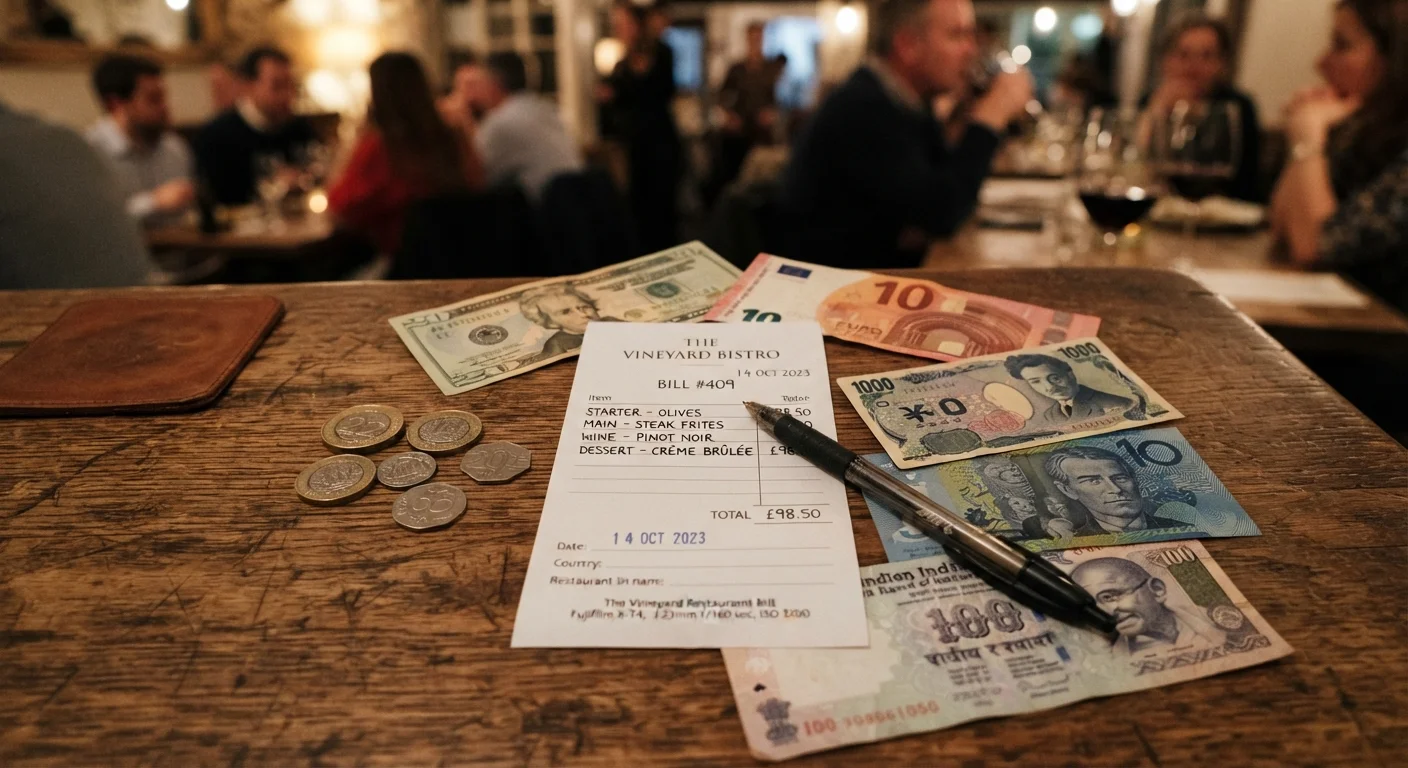
Restaurant bills can also include charges that aren't obvious upfront. Cover charges, bread fees, service charges, and tourist taxes vary by country and aren't always flagged on menus. Knowing how restaurant billing works in each country before you sit down prevents unpleasant surprises. As a general rule, ask to see a menu with prices before ordering, and scan the bill line by line before paying.
For a region-by-region breakdown of what a realistic daily food budget actually covers, see what $10 a day buys you in different parts of the world. And if you want to understand why some nominally cheap destinations still drain food budgets, the gap between low cost of living and low travel costs is worth reading before you book.
Building a Sustainable Daily Food Strategy
The most effective approach isn't picking one tactic — it's combining several. A practical daily pattern used by experienced budget travelers: start the morning with groceries or market produce (bread, fruit, cheese from a local shop), eat a proper sit-down lunch at a neighborhood restaurant during the fixed-menu window, and keep the evening meal lighter and cheaper through street food or a market stall.
Local supermarkets and corner shops are consistently underused by travelers. Even in expensive cities, buying breakfast items and snacks from a grocery store rather than a café can save $5–10 per day — money that compounds significantly over a two-week trip. Food halls can also offer a middle ground: covered, often air-conditioned, with multiple vendors competing on price and quality.
If you're traveling with others, sharing dishes as a group unlocks additional savings in cuisines built around communal eating. And if you're navigating unfamiliar menus, practical techniques for decoding menus help you order confidently without defaulting to the tourist-safe (and overpriced) options.
Food safety is also worth noting: budget eating and safe eating are not mutually exclusive. High turnover at busy local spots is often a reliable indicator of freshness. For more structured guidance, see a practical food safety framework for budget travelers.