
Why Budget Eating and Food Safety Can Coexist
The assumption that cheap food is dangerous food is one of the most persistent — and most damaging — myths in travel culture. It leads travelers to pay triple for tourist-facing restaurants that aren't meaningfully safer, while missing some of the most reliably prepared food available: freshly cooked, high-turnover local spots where vendors depend on repeat business to survive.
Price correlates with overhead, location, and marketing — not with sanitation. A $1 bowl of noodles cooked to order in front of you can be far safer than a $15 buffet that has been sitting open for hours. The variables that actually matter are preparation method, ingredient freshness, water source, and how the vendor handles food hygiene basics.
Separating myth from evidence on street food safety is a useful companion to this framework. The goal here is practical: give you a repeatable process for evaluating food options so budget choices don't become health gambles.
Traveler's diarrhea
A common digestive illness affecting travelers, usually caused by consuming food or water contaminated with bacteria, viruses, or parasites not present in the traveler's home environment.
Cross-contamination
When harmful bacteria or pathogens transfer from raw ingredients (especially meat) to ready-to-eat food through shared surfaces, tools, or hands.
Oral rehydration salts (ORS)
A pre-mixed combination of salts, sugars, and electrolytes dissolved in water, used to replace fluids lost during vomiting or diarrhea and prevent dehydration.
Food turnover
How quickly ingredients are used and replenished at a food stall or restaurant. High turnover means food is fresher and has less time to spoil or accumulate bacteria.
Travel medicine clinic
A medical clinic staffed by professionals who specialize in health risks associated with international travel, including vaccinations, medications, and destination-specific advice.
The Visual Checklist: What to Look For Before You Order
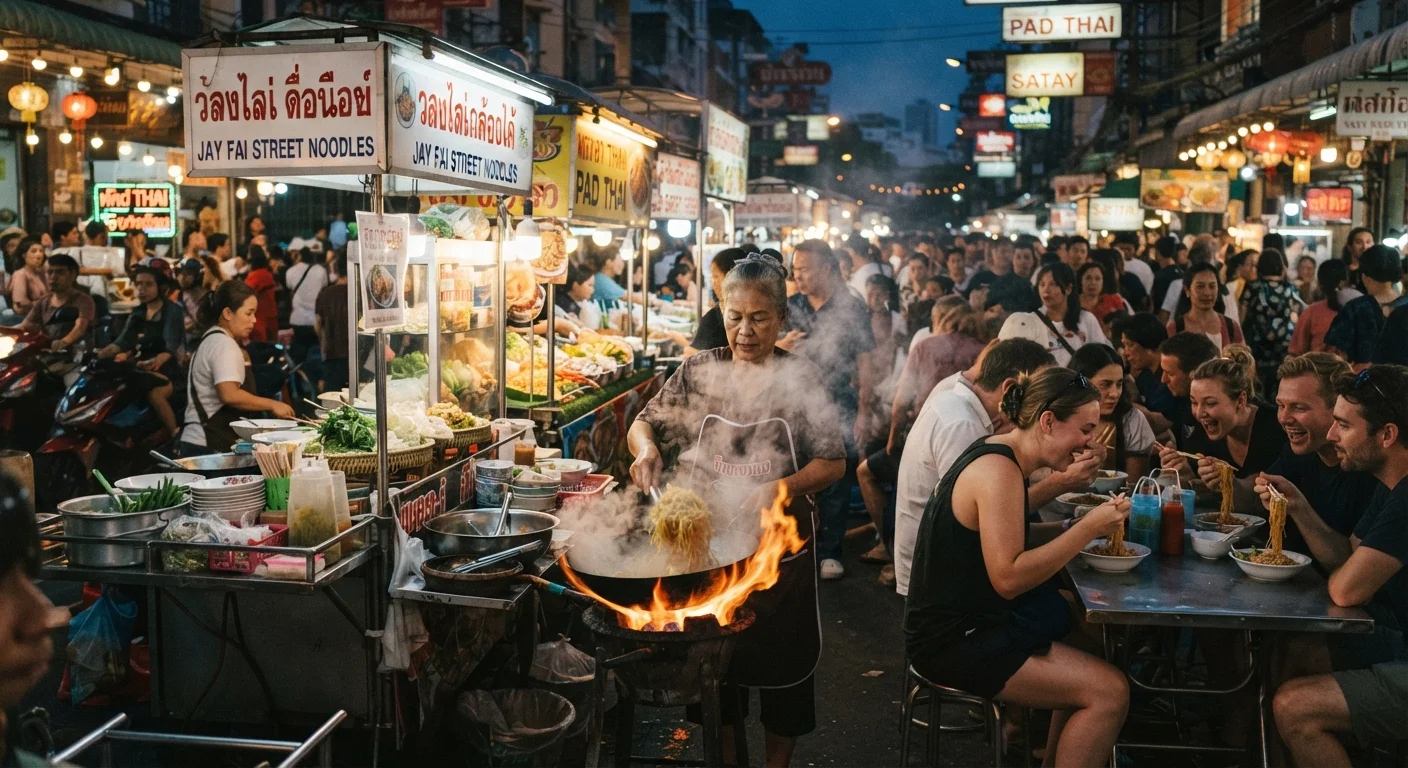
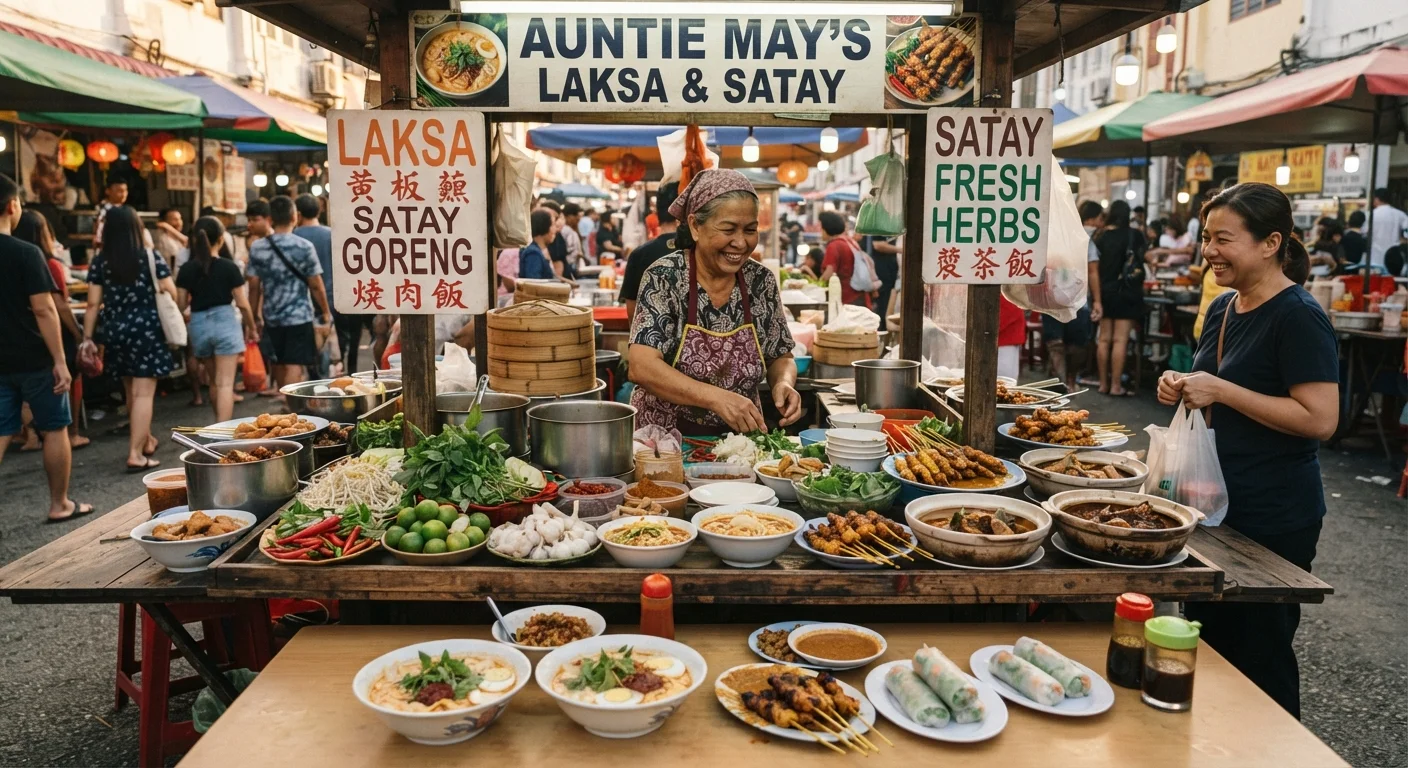
You don't need to be a food safety inspector to spot red flags. A 30-second observation before committing to a stall tells you a great deal:
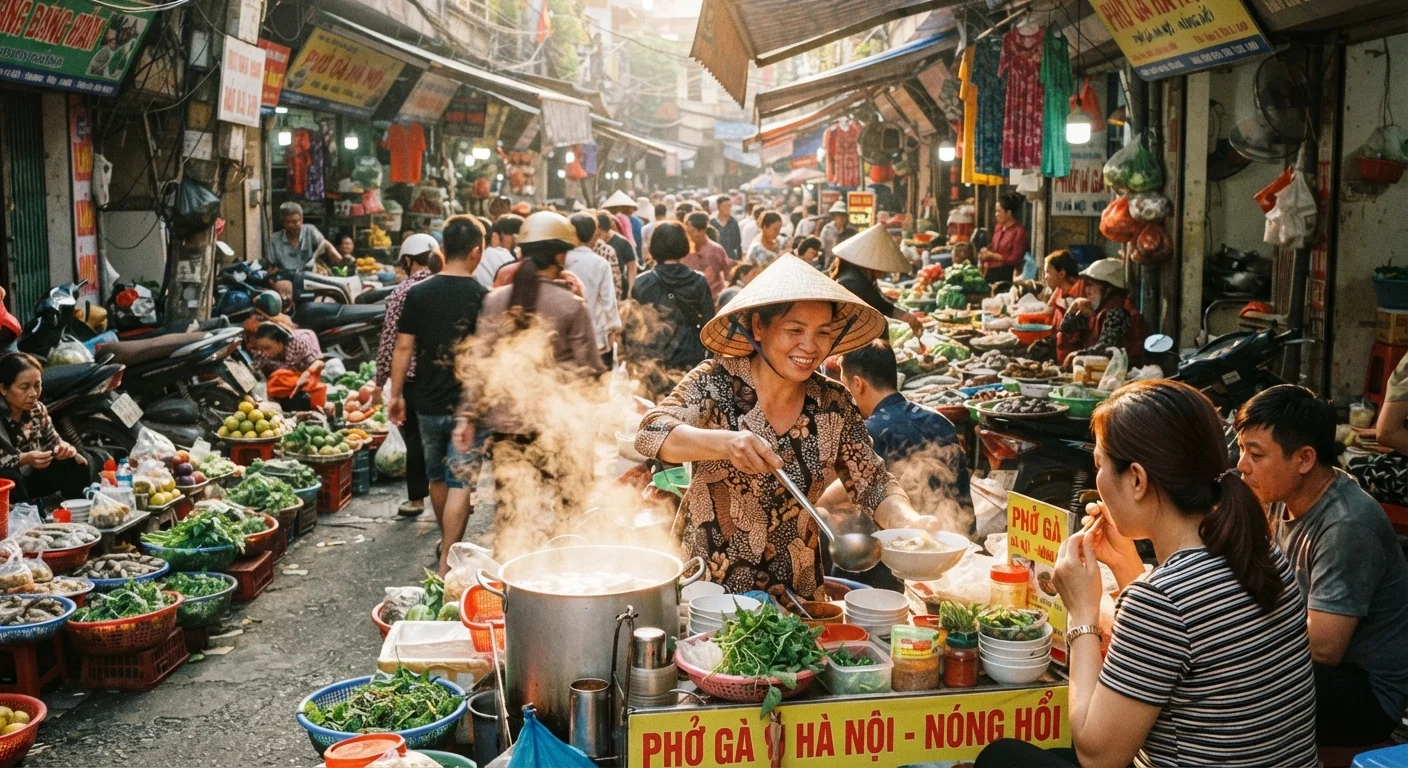
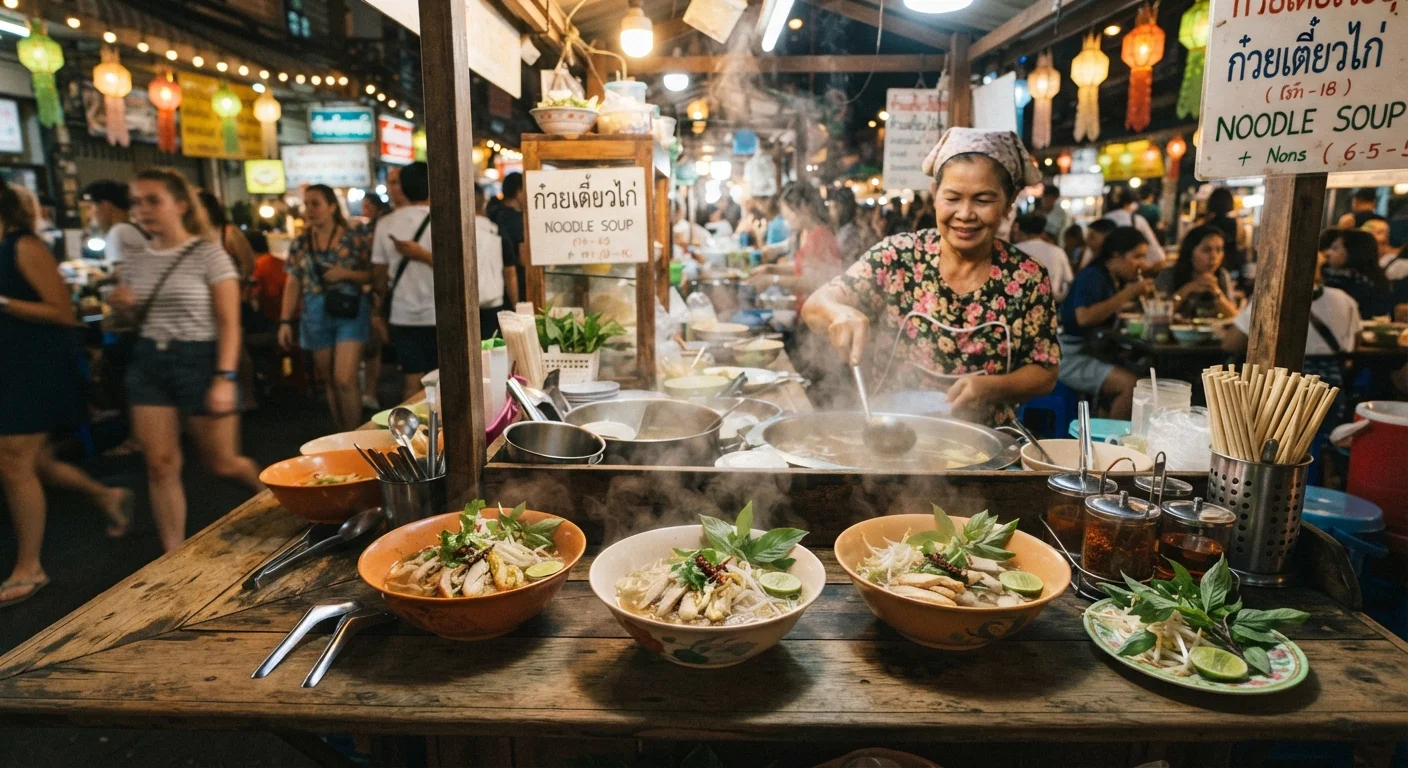
- Is food cooked to order or pre-cooked and sitting? Fresh preparation dramatically reduces bacterial growth risk.
- Are raw and cooked ingredients kept separate? Cross-contamination — raw meat juices reaching ready-to-eat food — is a primary illness vector.
- Does the vendor handle cash and food with the same hands without washing? Not ideal. Vendors who use tongs, gloves, or wash between tasks are lower risk.
- Is there visible food storage below the serving surface? Open bins, uncovered proteins, or food stored at ambient temperature in heat are warning signs.
- Is the oil fresh or dark and heavily reused? Heavily degraded frying oil indicates low ingredient turnover overall.
None of these individually guarantee illness or safety, but patterns matter. A stall that scores poorly on three or four of these points is worth skipping, especially early in a trip before your digestive system has adjusted.
Arrive at Peak Meal Times
The safest — and often tastiest — window to eat at a local stall is during peak meal times, typically noon to 1:30pm and 6pm to 8pm locally. Ingredients are freshest, oil is newer, and food is cooked continuously rather than sitting. Off-hours visits mean reheated food and slower turnover — the opposite of what you want.
Water, Ice, and Produce: The Hidden Risk Points
Travelers who avoid obvious risks — undercooked meat, questionable seafood — are often caught out by water-adjacent hazards they didn't anticipate. These three are the most common:
Tap Water
In many destinations, tap water is not treated to a standard safe for travelers' digestive systems, even if locals drink it without issue (long-term residents often have adapted gut flora). Use sealed bottled water or a filtered water bottle for drinking and brushing teeth. Check the seal before purchasing bottled water.
Ice
Commercially produced ice in many countries — particularly the tubular, hollow-center style — is typically made from filtered water and is generally lower risk than ice made on-site from tap water. When you can't determine the source, skip ice in drinks, especially at roadside stalls.
Raw Produce
Salads and unpeeled fruit washed in untreated water are among the most consistent causes of traveler's diarrhea. Fruit you can peel yourself (bananas, oranges, mangoes) is generally safer. Cooked vegetables are a better option than raw ones in areas where water quality is uncertain.
For more on where to find the safest and most affordable food environments abroad, see where budget travelers actually find good food.
How to Use Locals as a Safety Signal
The simplest and most reliable real-world indicator of both food quality and safety is who else is eating there. A stall packed with office workers, construction crews, and families at lunchtime is one that has earned repeat business from people who eat there regularly and can't afford to get sick.
Tourist-area restaurants, by contrast, often rely on one-time customers and have less reputational pressure to maintain standards. This doesn't mean every tourist restaurant is unsafe — but the local-crowd signal is genuinely informative.
Practical approaches:
- Arrive at meal times (not off-hours) when turnover is high and food is freshest.
- Look for lines or queues — high demand means rapid ingredient turnover.
- Observe whether vendors are eating their own food. This is a decent signal of personal confidence in their product.
- Ask guesthouse staff, hostel reception, or local contacts where they actually eat, not where they think tourists want to go.
Eating authentically for less without tourist-trap pricing covers complementary strategies for finding these spots systematically.
When to Trust Your Gut — Literally
Some degree of digestive adjustment is normal when you travel internationally. New bacterial strains, different food compositions, irregular meal timing, and travel fatigue all affect how your gut responds — even when nothing unsafe was consumed. Mild discomfort in the first week is common and not necessarily a sign of foodborne illness.
That said, there are symptoms that warrant prompt medical attention rather than self-management:
- High fever accompanying gastrointestinal symptoms
- Blood in stool
- Symptoms lasting more than 48–72 hours without improvement
- Severe dehydration (dizziness, inability to keep fluids down, very dark urine)
Before travel, consult a travel medicine clinic or your doctor about destination-specific risks, recommended vaccinations, and whether any prophylactic medications are appropriate for your itinerary. This is especially important for longer trips or travel to regions with higher prevalence of specific illnesses. Do not rely on general articles — including this one — for personal medical decisions.
Don't Self-Diagnose Serious Symptoms
Fever, blood in stool, or symptoms lasting more than 72 hours are not typical adjustment responses — they may indicate a condition requiring medical treatment. Do not attempt to manage these with over-the-counter remedies alone. Seek in-person medical care and, where relevant, contact your travel insurance provider. Many destinations have clinics accustomed to treating travelers.
Building Your Personal Safety Framework
The goal is a lightweight, repeatable habit — not a paranoid checklist that makes eating abroad stressful. Here's a practical starting structure:
- Before the trip: Get travel health advice from a professional. Pack oral rehydration salts, basic antidiarrheals, hand sanitizer, and a water filtration option if going to remote areas.
- First 3–5 days: Go slightly conservative. Let your gut adjust. Stick to cooked foods, avoid raw produce, and test one new type of stall at a time.
- Ongoing: Use the visual checklist before ordering. Prioritize busy, local-facing spots. Stay hydrated with safe water. Peel your own fruit.
- If you get sick: Rest, rehydrate with oral rehydration salts, and seek medical attention if symptoms are severe or persistent. Don't push through serious illness trying to stick to a food budget — it's not worth it.
Budget eating abroad is genuinely achievable and genuinely safe when approached with a framework rather than blind optimism or excessive caution. For a realistic picture of what your food dollar actually buys in different regions, see our region-by-region $10/day breakdown. And if you're weighing how far to push frugality, the trade-offs of extreme food budgeting is an honest look at where the line is.
This article provides general travel and food safety information only. It is not a substitute for professional medical advice. Consult a qualified healthcare provider or travel medicine clinic before travel, particularly regarding vaccinations, medications, and health precautions appropriate to your specific destinations and health history.