
What 'Extreme' Food Budgeting Actually Looks Like
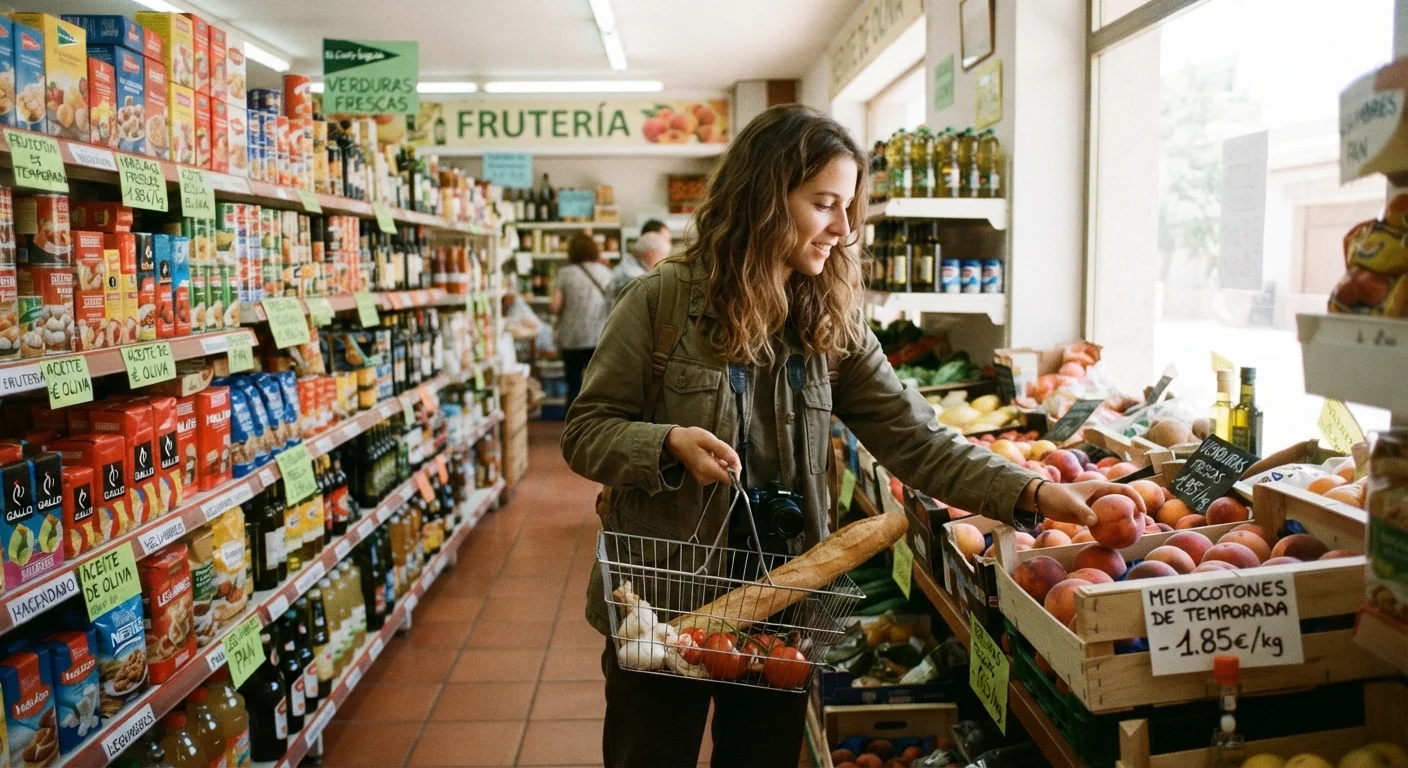
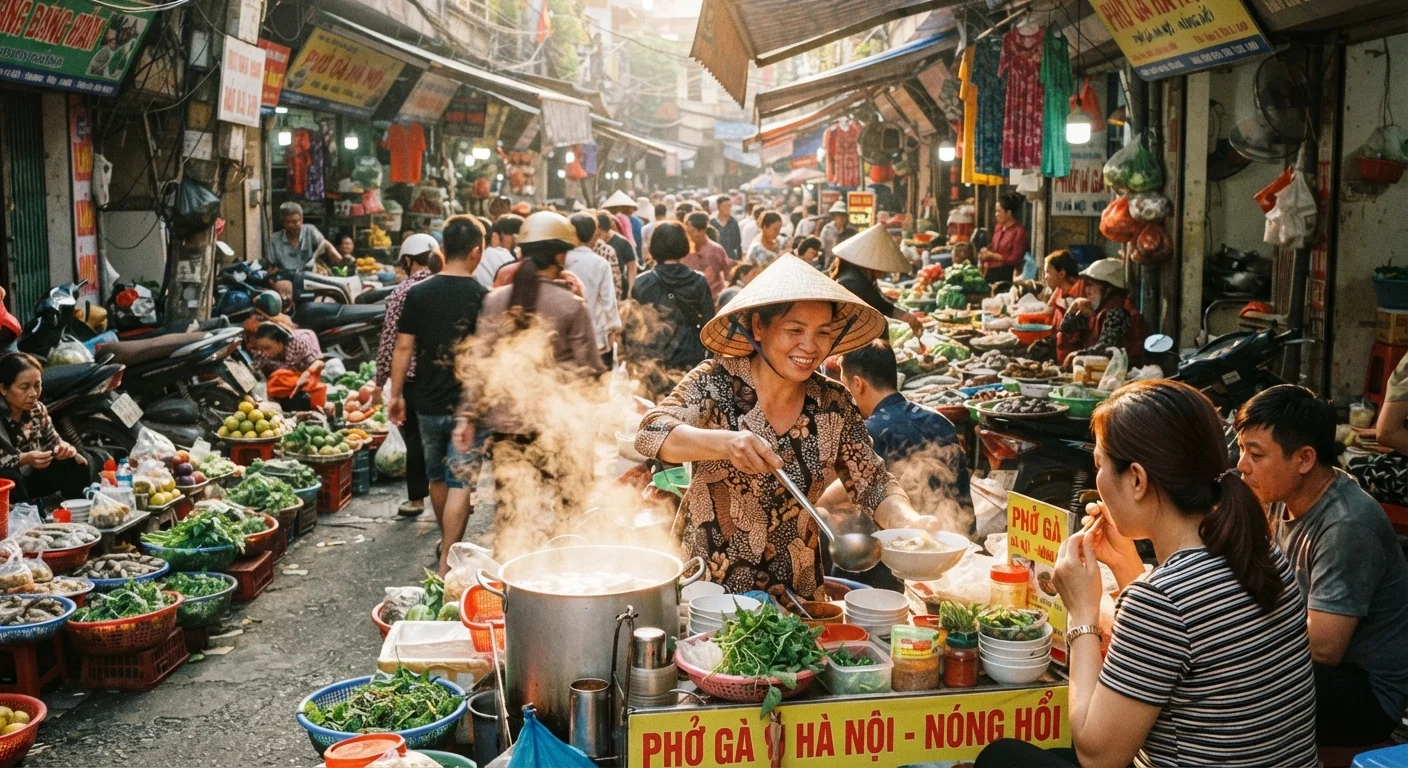
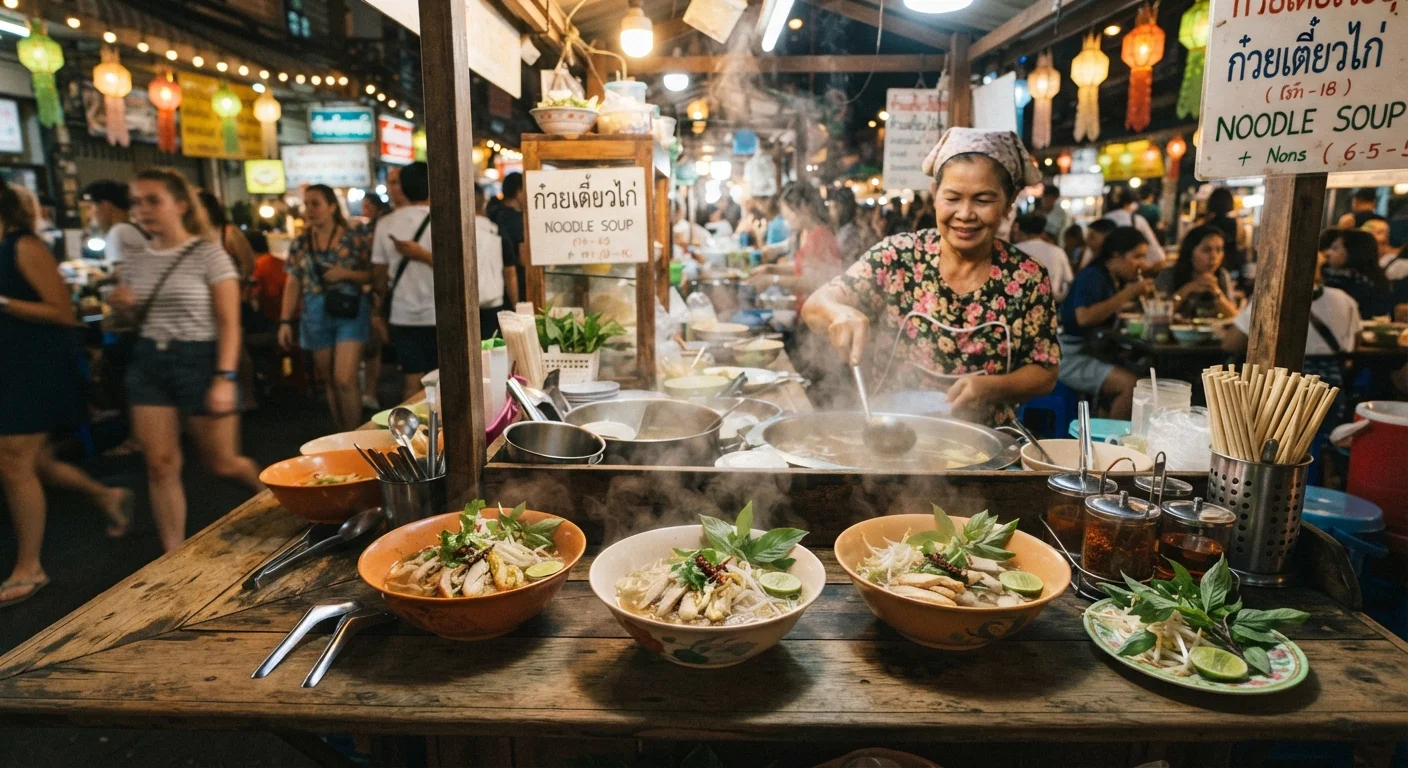
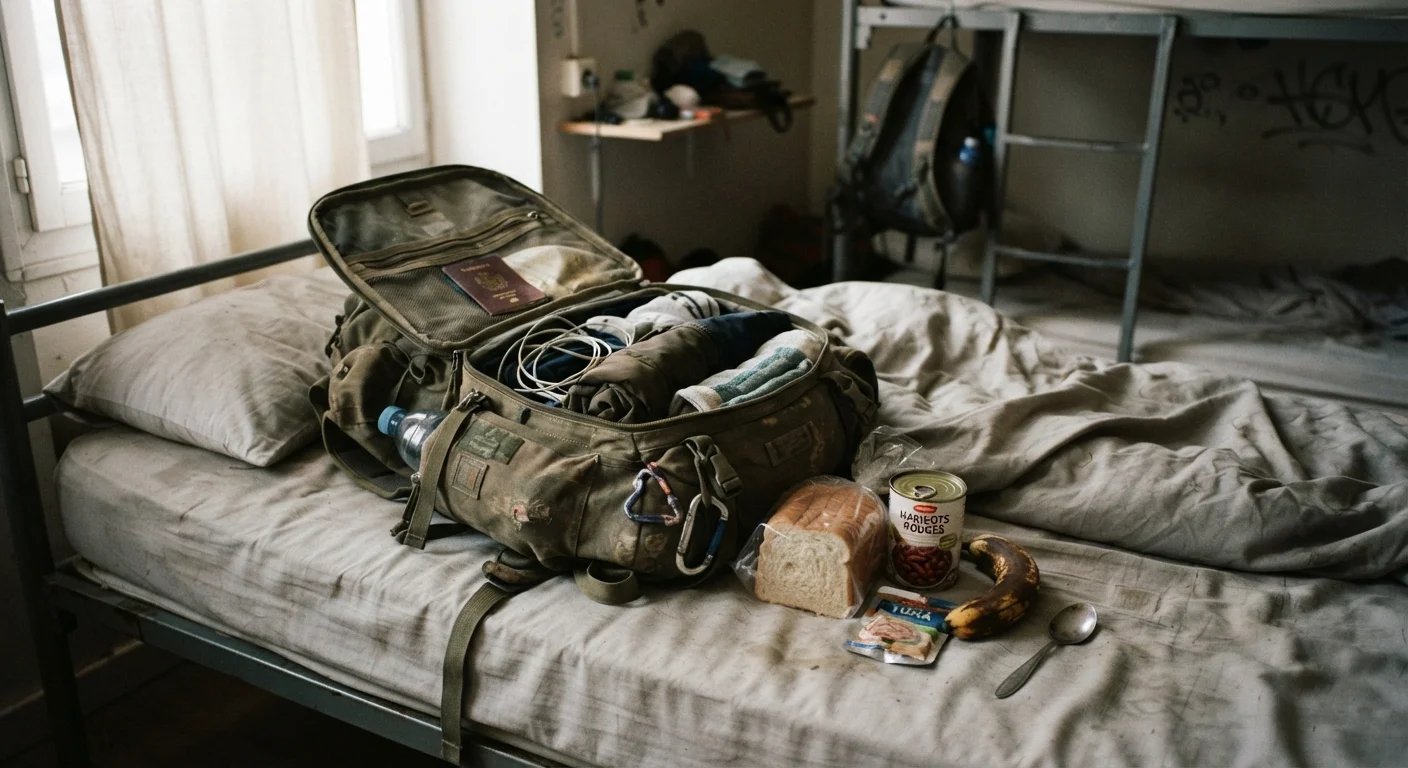
Ultra-frugal food budgeting on the road typically means keeping daily food spend to $5–$10 in lower-cost regions, or $10–$15 in mid-range destinations — well below what most independent travelers spend. In practice, this involves almost exclusive reliance on grocery stores, street stalls, instant noodles, bread, and whatever perishables are marked down at local markets.
This isn't inherently reckless. Shopping at local supermarkets and corner stores is one of the most effective ways to cut food costs abroad — but there's a meaningful difference between strategic grocery shopping and eating as little as possible as cheaply as possible. This article focuses on the harder end of that spectrum: the trade-offs that emerge when minimizing cost becomes the dominant priority.
The Real Advantages of Cutting Food Costs Aggressively
The financial case is straightforward. Food is one of the few truly variable costs in a travel budget — unlike flights or accommodation, you can adjust it daily. Travelers who spend aggressively on food often burn through money faster than those who don't.
Significant daily savings over weeks or months
Cutting $15/day from food spend over a 60-day trip saves $900 — enough to fund additional travel time or cover a flight segment. On longer trips, food frugality is one of the fastest ways to extend a budget.
Forces engagement with local food systems
Shopping at neighborhood markets and local grocery stores puts travelers in contact with everyday life in a way that restaurant dining often doesn't. It can produce more authentic cultural exposure, not less.
Builds transferable cost-control habits
Travelers who learn to navigate unfamiliar grocery stores, read local pricing, and identify value-for-money options carry those skills across every destination they visit.
Frees budget for higher-value experiences
Spending less on food can mean more money available for experiences — transportation to remote areas, guided hikes, or accommodation upgrades — where the value-to-cost ratio is stronger.
$10–$25
Estimated daily savings vs. average traveler food spend
Based on commonly reported traveler spending data from budget travel communities; actual savings vary significantly by destination and baseline habits.
40–60%
Potential food cost reduction from market and local canteen eating
Frequently cited estimate in budget travel literature comparing local-focused eating to tourist-area restaurant dining in mid-range international destinations.
Beyond raw savings, ultra-frugal eating builds practical skills: navigating local grocery systems, understanding portion economics, and finding markets and canteens where locals actually eat. These habits tend to stick and compound across a long trip.
The Costs That Don't Show Up Immediately
The trade-offs of extreme food budgeting are real, and some aren't obvious until they've already impacted your trip.
Nutritional quality tends to decline significantly
The cheapest available foods — refined carbohydrates, instant meals, processed snacks — are typically low in protein, vitamins, and fiber. Over weeks, this can result in fatigue, poor concentration, and general physical deterioration.
Higher exposure to food safety risk
Extremely cheap food sources — heavily discounted produce, low-turnover stalls, unmarked street food — carry a higher risk of contamination or spoilage. A single illness can cost more in recovery time and medical expenses than the savings achieved.
Cuts off a significant part of cultural experience
Eating with locals, trying regional specialties, and sharing meals are core parts of how many travelers connect with a destination. Extreme frugality often eliminates these opportunities entirely.
Mental load and decision fatigue accumulate
Constantly optimizing for minimum food cost — tracking prices, seeking the cheapest stall, resisting spontaneous purchases — adds a low-level cognitive burden that grinds on morale over long trips.
Low energy affects the rest of the trip
Under-eating or eating poorly reduces physical stamina and mood. Travelers who are running on inadequate nutrition often get less out of the activities and destinations they've paid to experience.
The most underestimated risk is what happens when things go wrong. A stomach bug caught from a low-cost, questionable food source — the kind of stall or product you'd skip if you had more budget flexibility — can mean lost travel days, medical costs, and dehydration that's slow to recover from. For a deeper look at how to navigate this, this practical food safety framework covers what to watch for without requiring you to spend more than necessary.
Finding the Sustainable Middle Ground
The travelers who manage food costs most effectively on long trips generally don't aim for the absolute minimum — they aim for intentional spending. That means eating from local markets and canteens most of the time, using grocery stores strategically, and reserving sit-down restaurant meals for occasions that are worth the cost culturally or socially.
Practical strategies like eating where locals eat, adjusting meal timing, and avoiding tourist-area markup consistently deliver 40–60% savings versus default tourist eating habits — without the nutritional or experiential compromises of true extreme budgeting.
The framing that holds up across long trips: food is both fuel and experience. Optimizing entirely for cost treats it as only the former. For most travelers, a middle path — structured frugality rather than deprivation — produces better results across health, enjoyment, and the budget itself.
This article is for general informational purposes only. Travelers with specific dietary needs or health conditions should consult a qualified healthcare professional before significantly restricting food intake or variety while traveling.