
What Street Food Actually Is — and Why It Exists
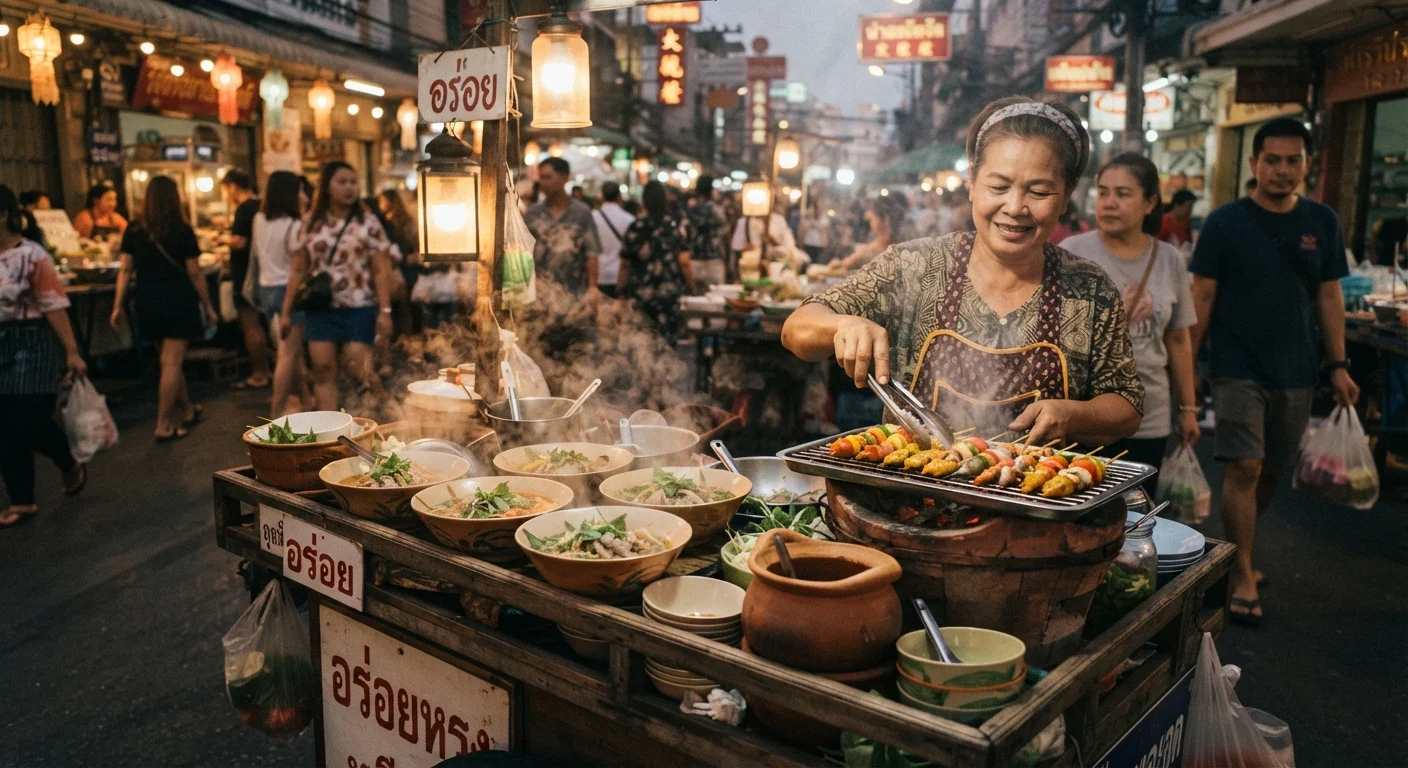
Street food is not a budget compromise. In most of the world, it is simply how people eat. A cart vendor in Bangkok, a taco stand in Mexico City, or a jollof rice seller in Lagos isn't catering to travelers short on cash — they're feeding the neighborhood, every single day.
This distinction matters. When a vendor's entire livelihood depends on repeat local customers, quality and consistency aren't optional. The food has to be good enough to bring people back tomorrow. That's a higher accountability standard than many tourist-district restaurants, where foot traffic is largely transient and reviews rarely reach the local population.
Street food also reflects genuine regional cooking. Recipes are often passed down within families or learned through apprenticeship. The dishes sold from a stall are frequently the same ones eaten at home — not a sanitized or internationalized version created for foreign palates.
Street Food Safety: A Quick Reality Check
Concerns about street food safety are common, but research and traveler experience suggest they're frequently overstated. High-volume stalls with rapid turnover and fresh-cooked food are generally lower risk than poorly managed restaurant kitchens. For a fuller look at what actually drives food safety abroad, see our guide separating myth from reality on street food hygiene.
The Real Cost Difference: Street Stalls vs. Tourist Restaurants
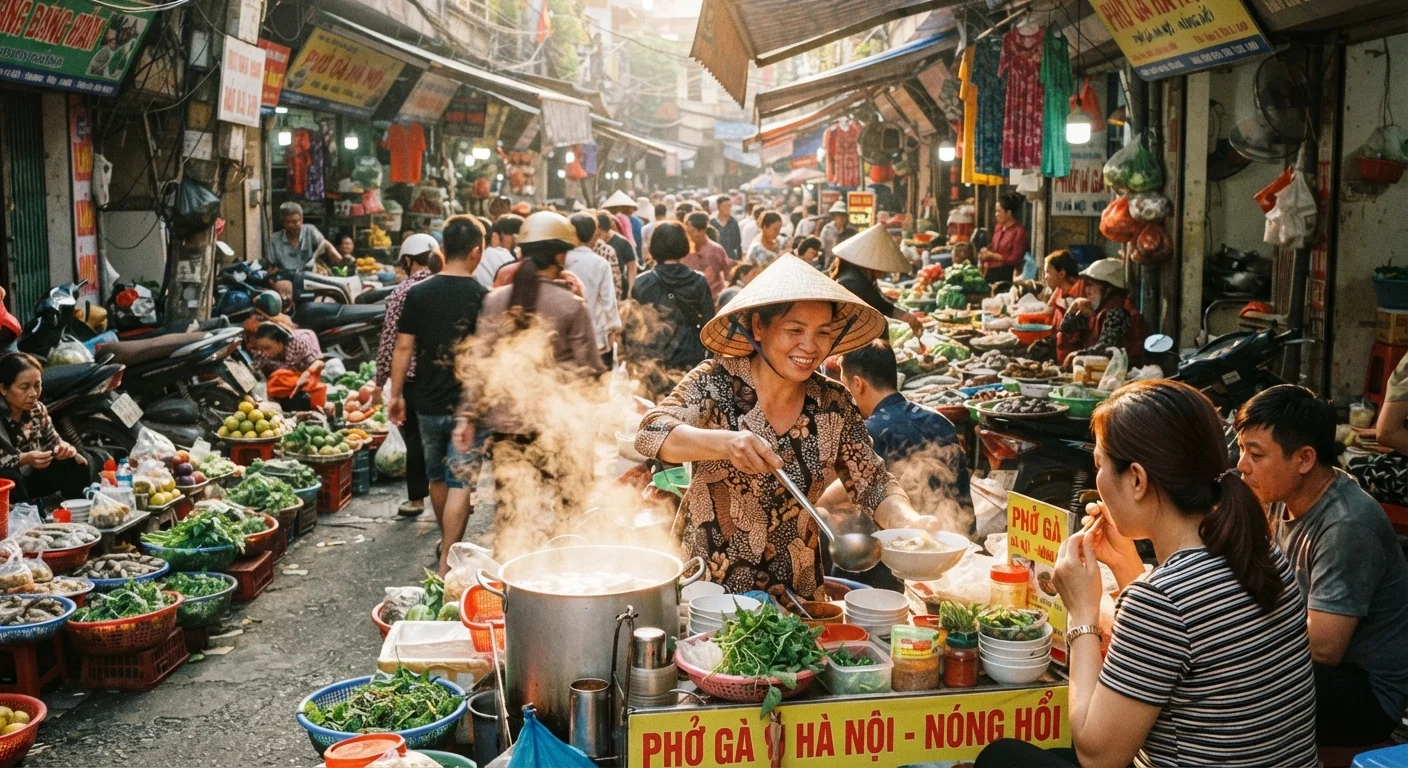
The price gap between street food and tourist-facing restaurants is one of the most consistent patterns in international travel. It's not unusual to pay $1–3 USD for a filling street meal in Vietnam or Mexico, while a restaurant two blocks from a major landmark charges $10–15 for a roughly equivalent dish.
That gap compounds quickly. A traveler eating three restaurant meals daily for two weeks could spend $400–600 on food alone. The same trip, shifting most meals to street vendors and local markets, might cost $80–150. The difference is enough to cover several nights of accommodation or another destination entirely.
60–70%
Typical savings vs. tourist restaurants
Traveler cost comparisons across Southeast Asian and Latin American cities consistently find street meals priced 60–70% lower than equivalent tourist-facing restaurant dishes in the same area.
$1–4
Average street meal cost in many destinations
In countries including Vietnam, Thailand, Mexico, and India, a filling street food meal commonly falls within this range, according to traveler-reported spending data from budget travel communities.
2.5 billion
People who eat street food daily worldwide
The UN Food and Agriculture Organization has estimated that roughly 2.5 billion people consume street food every day, underscoring that it is a mainstream rather than marginal eating practice globally.
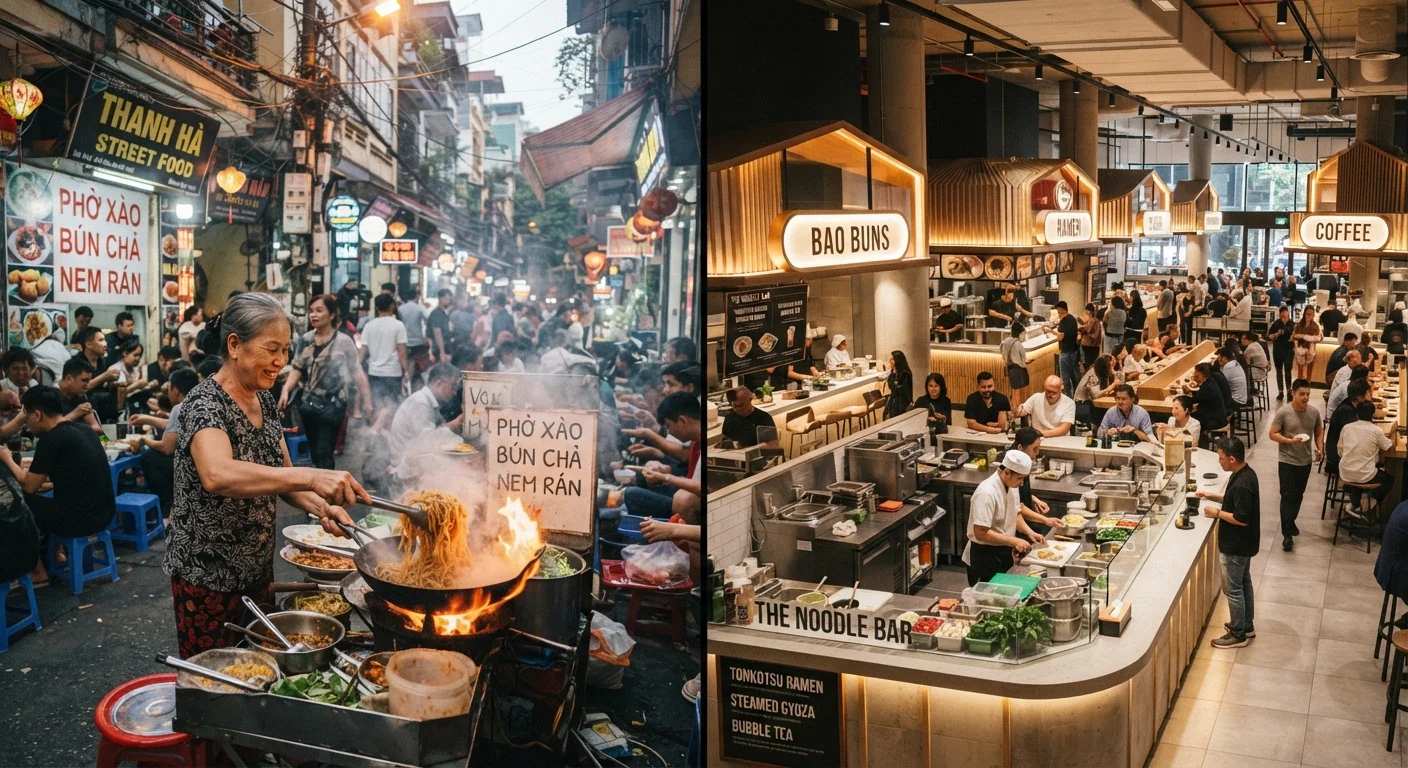
For a direct comparison of how street stalls stack up against food halls — another popular low-cost option — see our breakdown of food halls vs. street stalls. And if you want to know where else locals eat for very little, markets and canteens round out the picture.
How to Eat on the Street Without Guessing
You don't need to be an expert to navigate street food well. A few practical habits cover most situations:
- Eat where locals eat at local mealtimes. A stall packed with office workers at noon is a reliable signal. An empty stall near a bus tour drop-off is not.
- Choose high-turnover vendors. Food cooked and sold quickly means fresher ingredients and lower risk from sitting at temperature.
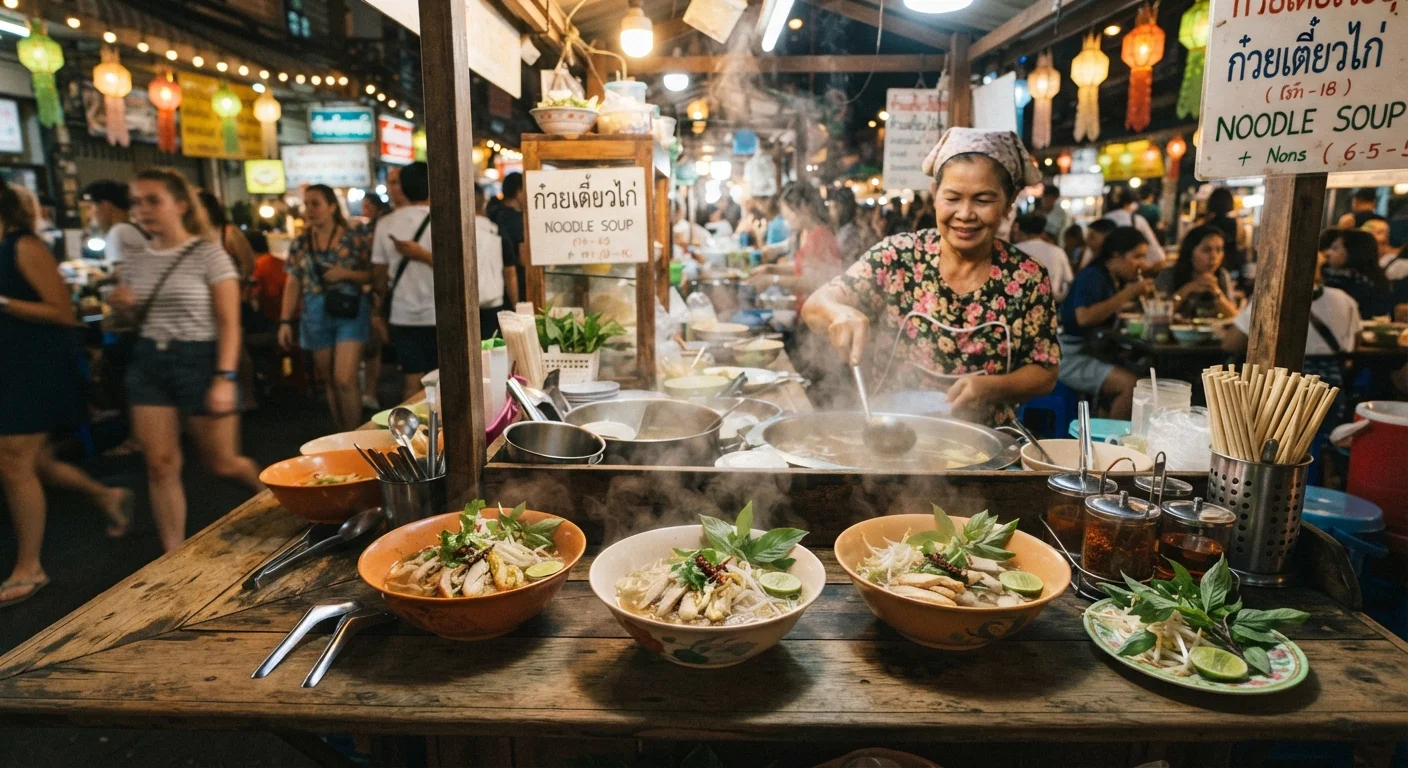
- Start with cooked-to-order items. Noodle soups, grilled skewers, flatbreads, and stir-fries prepared in front of you carry less uncertainty than pre-assembled cold dishes in unfamiliar environments.
- Learn one or two local staples before you arrive. Knowing what a dish is called and roughly what it should cost helps you navigate confidently and avoid overcharging.
For guidance on food safety abroad more broadly, this practical safety framework covers what to watch for without overstating the risk.
Why Eating Like a Local Is Also a Better Experience
Beyond the savings, street food engagement changes how you experience a place. Sitting at a plastic stool in a night market, watching a vendor ladle broth from a decades-old recipe, is qualitatively different from reading an English-language menu in a heavily air-conditioned dining room.
Street food also forces useful proximity. You see ingredients. You watch technique. You eat alongside people who live there. That contact with daily life is something no guided tour replicates — and in many cases, it's the version of a destination travelers remember most clearly.
Tourist-adjacent restaurants carry a hidden markup that goes beyond price — they also tend to serve a diluted version of local cuisine. Moving one or two blocks away, or asking hotel staff where they personally eat lunch, can change the entire texture of a trip.
For regions where street food culture is especially deep, Southeast Asia remains a benchmark — affordable, varied, and cooked with genuine pride by vendors who've been doing it for years.