
The Real Cost Difference: What Research Suggests
The question isn't just about grocery receipts — it's about total food cost, which includes what you throw away. The USDA has consistently estimated that American households waste roughly 30–40% of their food supply. When that waste is translated into dollars, it represents a significant silent drain on any household budget.
Studies on shopping behavior — including research published in the Journal of Consumer Research — find that shoppers without a defined list buy more unplanned items and spend more per trip. Meal planners, by contrast, arrive with a predetermined quantity of each item, reducing the chance of overbuying perishables that don't get used.
That said, spontaneous shopping isn't inherently wasteful. The gap in outcomes tends to come down to buying discipline and how well someone knows their own consumption habits. A seasoned spontaneous shopper with a mental inventory of their fridge can outperform a disorganized meal planner who ignores their list at the store.
30–40%
U.S. food supply wasted at household level
According to USDA estimates, a substantial portion of food purchased by American consumers never gets eaten.
$1,500+
Estimated annual food waste cost per household
The Natural Resources Defense Council has estimated that the average American family loses significant money annually to discarded food.
23%
More spent by shoppers without a list
Behavioral research has found that list-less grocery shoppers consistently overspend compared to those with a defined shopping list.
Where Spontaneous Shopping Quietly Drains the Budget
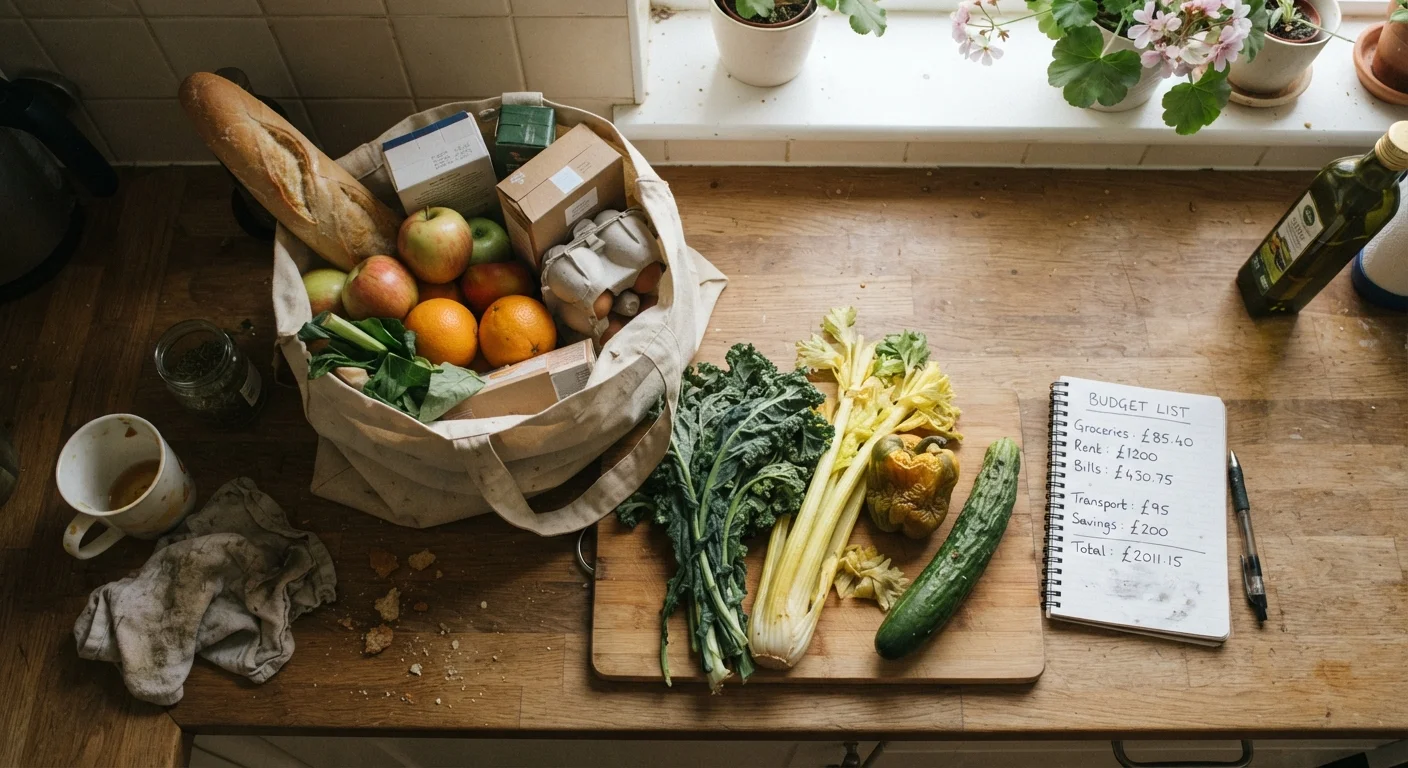
Spontaneous grocery shopping has two main cost risks: impulse purchases and redundant buying. Without a list, it's easy to grab items you already have at home — or to buy ingredients for a meal you'll never actually make. This is especially true for perishables like fresh herbs, specialty produce, and deli meats with short shelf lives.
Impulse purchases also tend to skew toward higher-margin items. End-cap displays and in-store promotions are designed to capture unplanned buying. A shopper without a focused list is a more effective target for these tactics.
For a deeper look at which grocery habits most consistently erode budgets, see where grocery money most often goes to waste. Many of the patterns described there are closely tied to unplanned shopping behavior.
| Criterion | Meal Planning | Spontaneous Shopping |
|---|---|---|
| Weekly spend predictability | High — list limits scope | Low — varies by mood and displays |
| Food waste risk | Lower when plan is followed | Higher due to overbuying perishables |
| Impulse purchase exposure | Reduced by pre-set list | Higher without list anchor |
| Flexibility for schedule changes | Lower without buffer meals | High — buy only what's needed now |
| Time investment upfront | Moderate — requires weekly planning | Minimal — shop as needed |
| Mid-week emergency store runs | Less common with good planning | More likely; adds cost and time |
The Case for Planning — Even Loosely
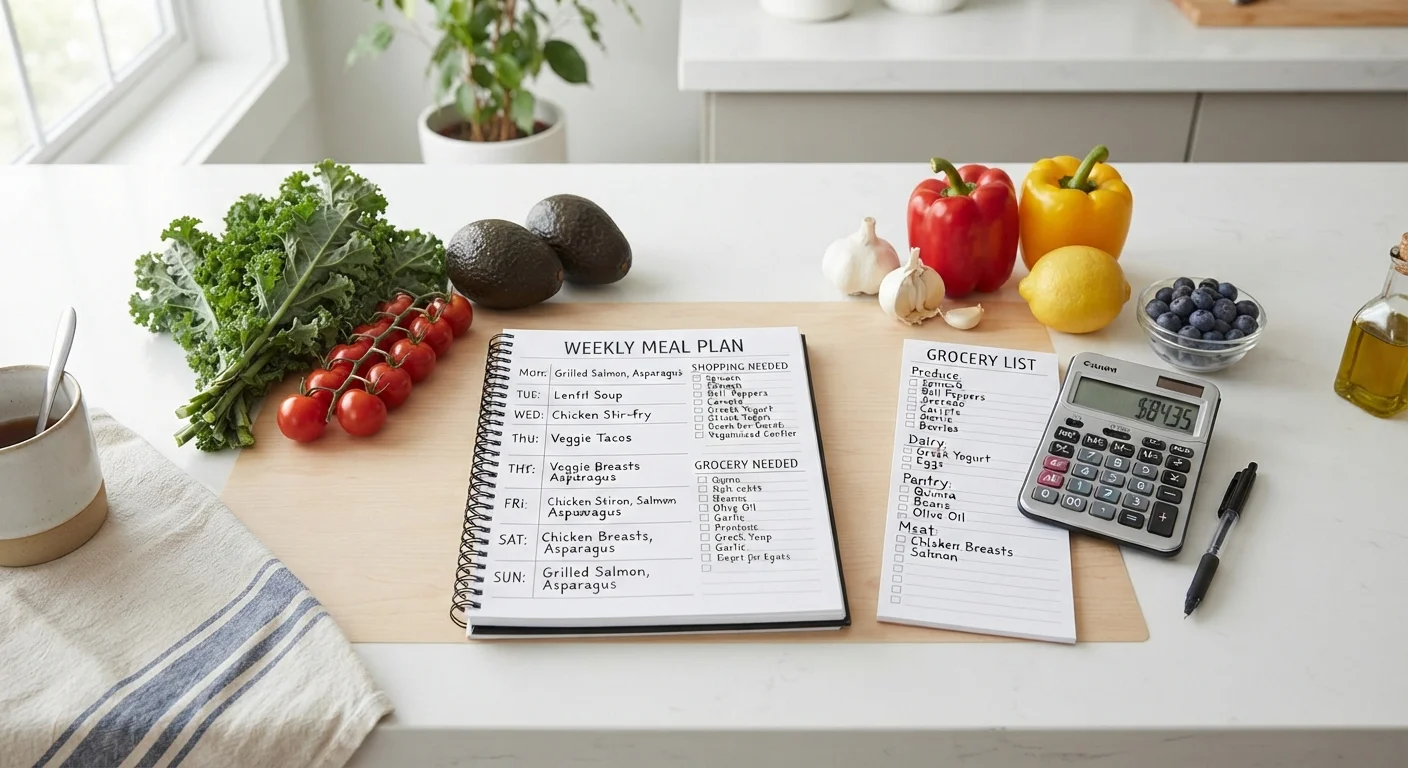
Strict meal planning works well for some households and fails miserably for others. The good news is that most of the financial benefit comes from even a minimal version of planning — knowing roughly what you'll eat this week before you shop, rather than mapping out every ingredient to the gram.
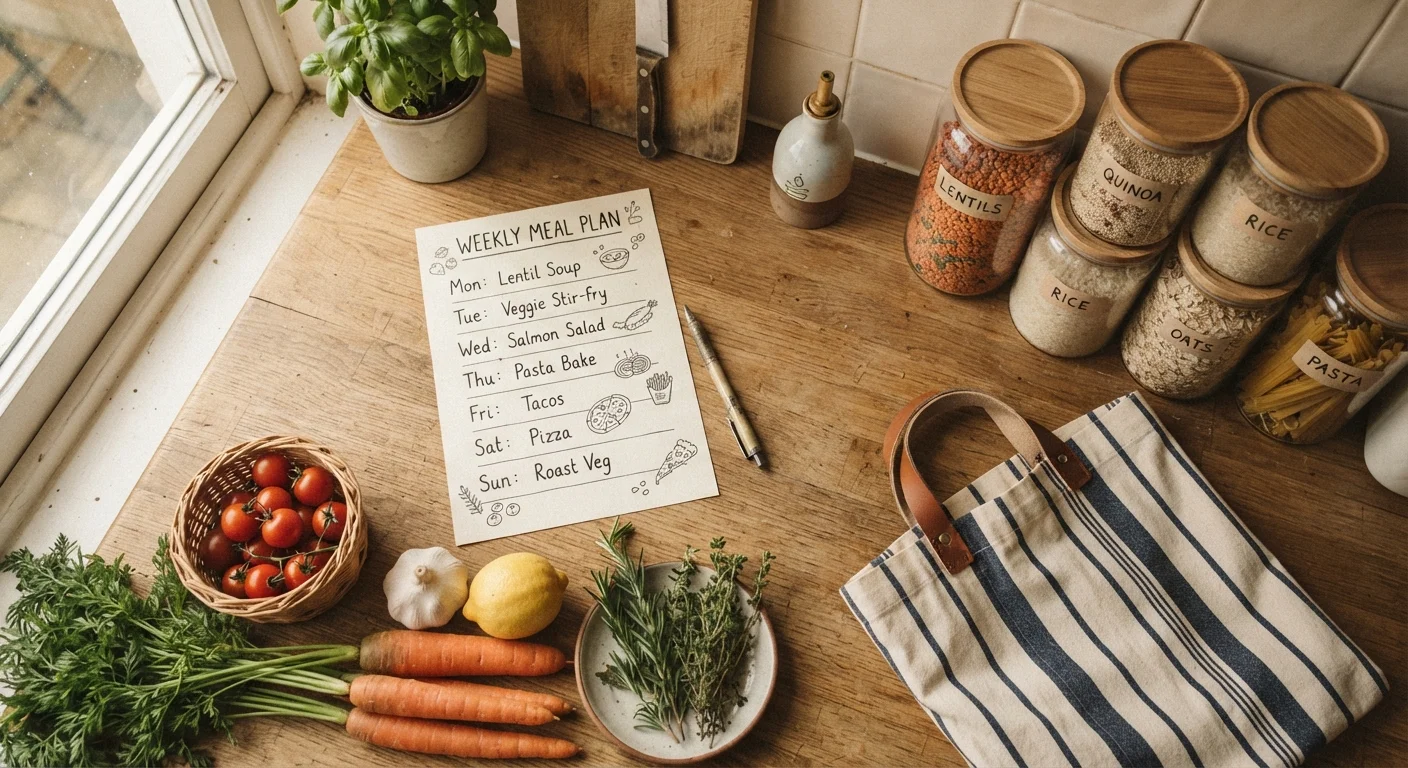
A loose framework might look like: two pasta-based dinners, one sheet-pan protein, one soup or stir-fry, and leftovers on Friday. That structure alone is enough to build a focused shopping list, limit overbuying, and reduce mid-week "nothing to eat" runs to the store — which are expensive and often lead to takeout spending on top of existing groceries.
If building a weekly grocery structure feels overwhelming, the weekly grocery budget framework lays out a practical approach to organizing spending without overhauling your lifestyle. And if you've tried meal planning before and abandoned it, meal planning for people who hate meal planning offers a lower-commitment alternative worth reading.
Making Either Approach Work on a Tight Budget
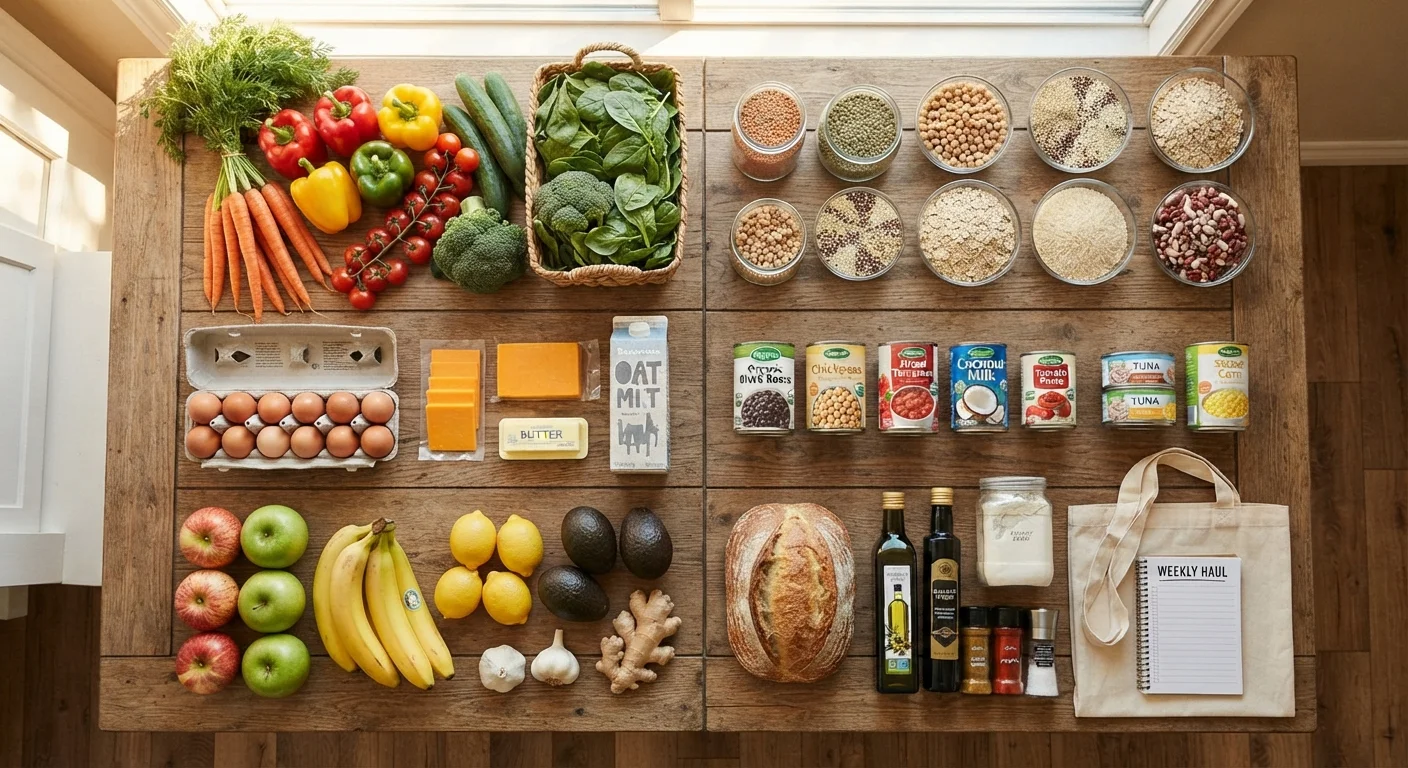
Whether you plan or shop spontaneously, a few habits make a measurable difference. First, shop with a defined dollar ceiling per trip — not just a vague intent to spend less. Second, build meals around seasonal produce when possible; seasonal produce is reliably cheaper and tends to reduce waste since it's fresher at purchase. Third, treat your freezer as a budget tool — buying proteins and bread in bulk and freezing them works equally well for planners and spontaneous shoppers.
For budget-focused cooking, ingredient choices matter too. Items like dried and canned beans sit at the intersection of cost and nutrition — and the dried vs. canned beans comparison is a useful read for anyone building affordable meals from scratch.
Ultimately, the data favors planning — but the best system is one you'll actually stick to. A modest, flexible plan beats an elaborate one you abandon by Tuesday.
The Hybrid Approach Is Often Realistic
Many households benefit most from a middle path: plan four or five dinners loosely, keep a running staples list, and leave one or two nights open for flexibility or leftovers. This reduces the pressure of rigid planning while still capturing most of the cost savings associated with structured shopping. You don't have to choose one extreme or the other to see results on your grocery bill.
This article is for general informational purposes only and does not constitute financial or dietary advice. Individual results will vary based on household size, location, and spending habits.