
Why the Set Lunch Exists — and Why It Works in Your Favor
The set lunch menu isn't a tourist promotion — it's a structural feature of how restaurants operate in dozens of countries. During midday service, restaurants face two simultaneous pressures: they need to turn tables quickly for a working local crowd, and they need to use ingredients bought fresh that morning before the dinner service. A fixed, limited menu solves both problems. Kitchens can move fast, food waste drops, and the lower price point attracts volume.
For travelers, this creates a genuine arbitrage opportunity. The same chef, the same kitchen, often the same dishes — but at 30–60% less than the evening price. Understanding this dynamic helps you plan your day accordingly. When you eat matters as much as where you eat, and midday is almost always the moment restaurants offer the most value.
30–60%
Typical discount vs. à la carte pricing
Industry estimates across restaurant markets in Europe and Latin America suggest set lunch pricing commonly runs 30–60% below equivalent à la carte costs for the same dishes.
€10–€14
Average menú del día price in Spain
Outside of tourist-heavy city centers, Spain's fixed-price lunch menus — which include two courses, bread, a drink, and dessert — commonly fall in this range.
Under $5 USD
Full set lunch cost in Peru and Vietnam
In Peru and Vietnam, full multi-course set lunches at local restaurants serving working-class clientele are frequently available for under $5 USD at current exchange rates.
How the Format Varies by Region
The concept is global, but the execution differs meaningfully by region — knowing the local version helps you spot and order it correctly.
Europe
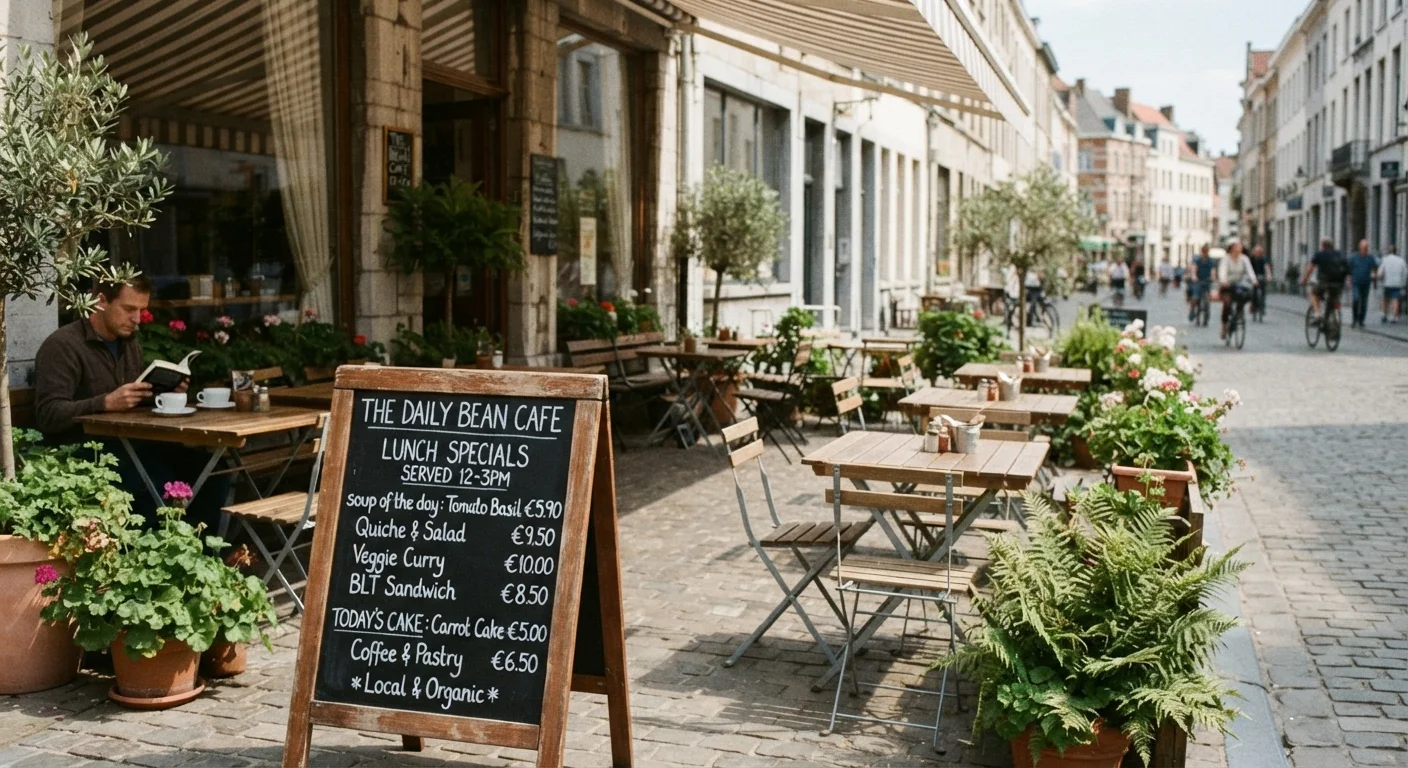
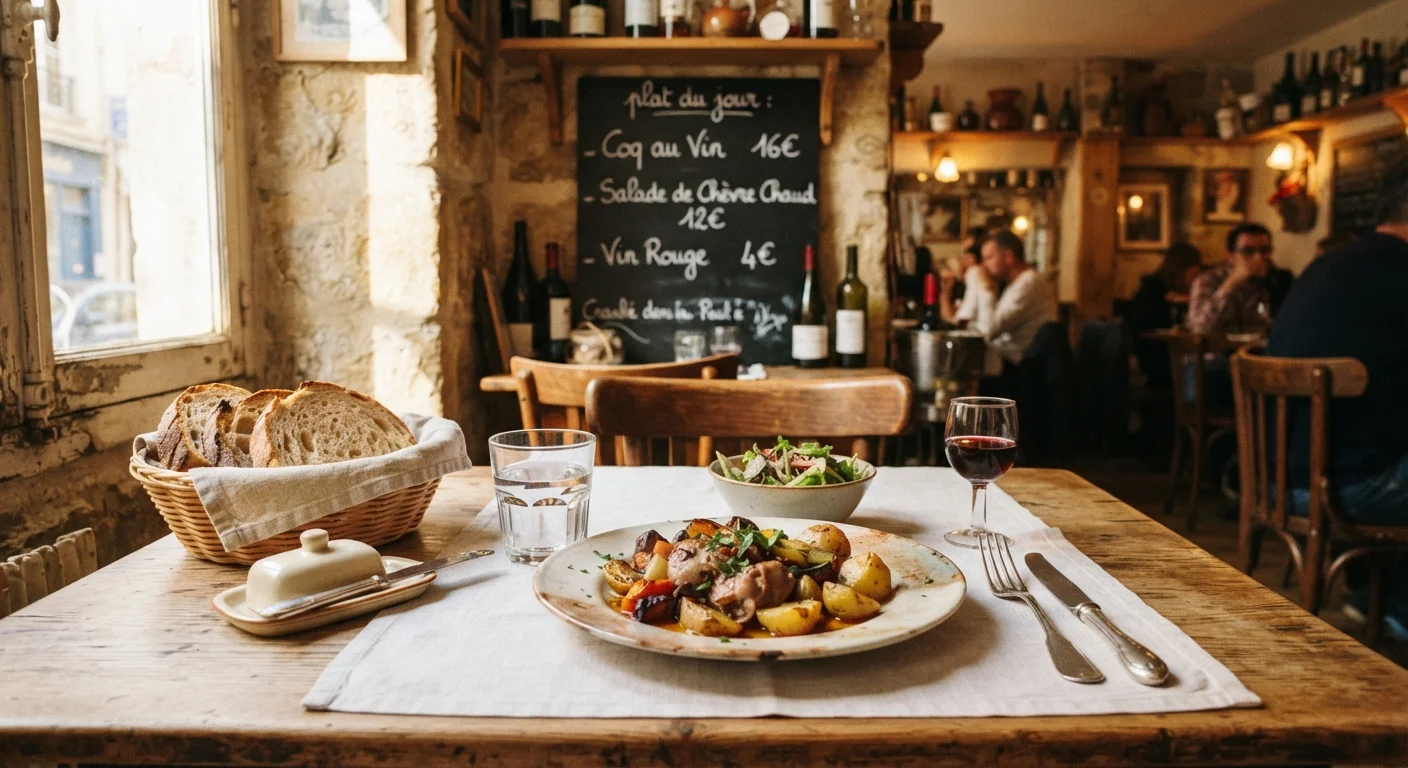
In Spain, the menú del día is a legal and cultural institution: a two-course meal plus bread, drink, and dessert or coffee, typically priced between €10–€14 outside of tourist centers. In France, the formule déjeuner or plat du jour follows a similar structure, often including a starter and main or main and dessert. Portugal's prato do dia is similarly reliable, and often cheaper than either. In all three countries, the menu is frequently written only on a chalkboard — a reliable signal you're in the right place.
Asia
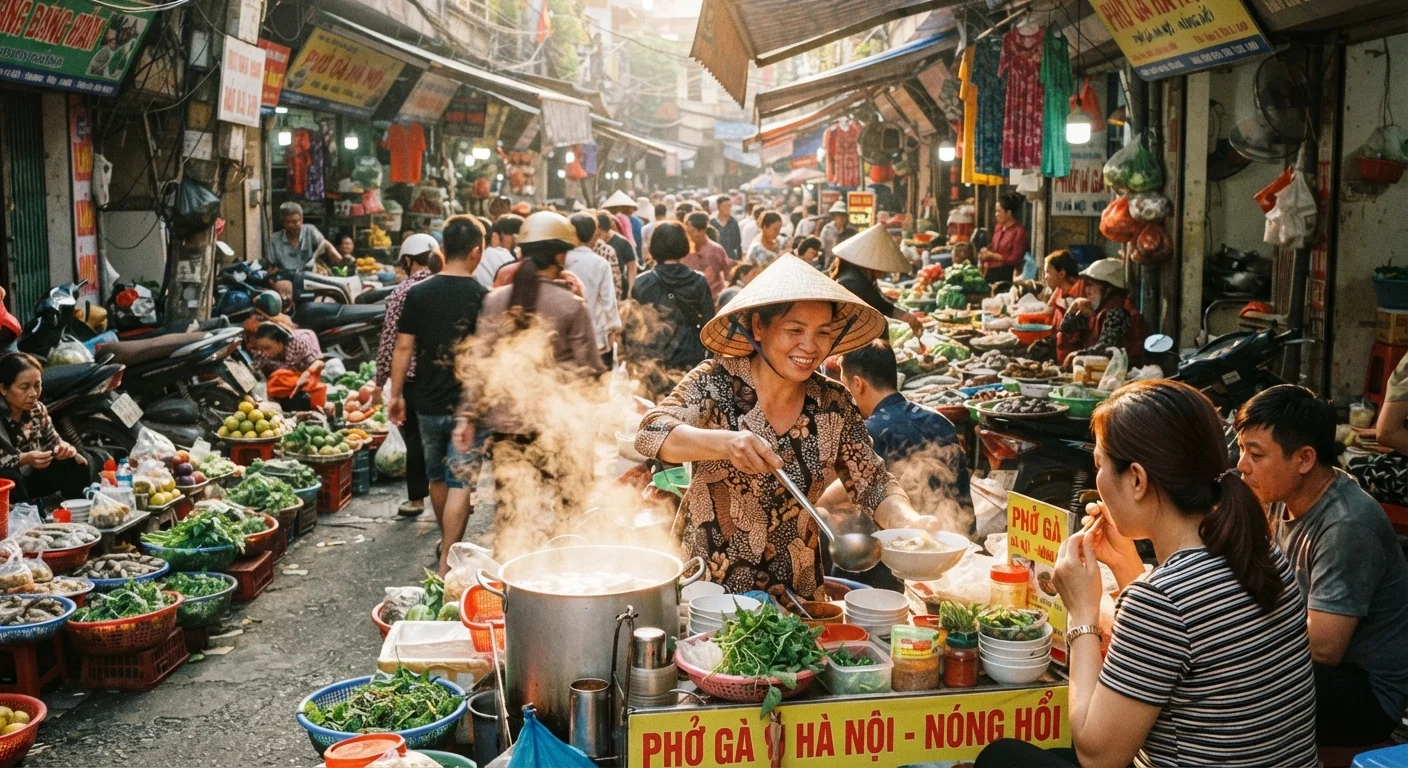
In Japan, the teishoku (set meal) is available at most casual restaurants during lunch hours: a main dish, rice, miso soup, pickles, and sometimes a small side — all for ¥800–¥1,200 in most cities, sometimes less. In Vietnam, rice-plate lunch sets (cơm bình dân) are served from streetside stalls and small restaurants for roughly $1–$3 USD. Thailand, South Korea, and Taiwan all have comparable set-lunch formats rooted in local eating culture rather than traveler demand.
Latin America
Peru's menú is arguably the most comprehensive version: a fixed-price lunch that typically includes a starter soup, a main course with rice and sides, a small dessert, and a drink — often for under $4–$6 USD outside Lima's upscale neighborhoods. Mexico's comida corrida follows an almost identical structure. Colombia, Ecuador, and Bolivia all have their own equivalents under various local names.
For a broader look at how venue type affects what you spend, see where budget travelers actually find good food.
How to Find and Order a Set Lunch Menu as a Traveler
The most reliable signals that a restaurant runs a genuine set lunch — rather than a tourist-facing lunch special — are simple: a handwritten or chalkboard menu, a room full of local workers between 12:00 and 2:00 p.m., and prices listed per person without excessive itemization. Laminated menus with photos and prices in multiple currencies are usually a signal that the restaurant is targeting visitors rather than locals.
When in doubt, ask: "¿Tiene menú?" in Spanish-speaking countries, "Il y a une formule déjeuner?" in France, or simply pointing to what someone nearby is eating and asking for the same works in most places. Many set lunches don't require reservations and operate on a first-come, first-served basis — arriving before 12:30 p.m. gives you the best chance of getting the full menu before dishes run out.
Making lunch your main meal is also a practical budget strategy. Eating a full set lunch for €12 and a lighter, cheaper dinner reduces your daily food spend considerably compared to two full restaurant meals. This approach is covered in more depth in our guide on eating well abroad without spending like a tourist.
Make Lunch Your Anchor Meal
Structure your day around the set lunch window rather than fitting it in as an afterthought. Plan sightseeing for the morning, sit down for a full set lunch between 12:00 and 1:30 p.m., and keep dinner light — street food, market snacks, or a simple dish. This shift alone can meaningfully reduce your daily food spend without sacrificing the experience of eating at real local restaurants.
What Set Lunches Won't Always Cover
Set lunch menus are excellent value, but they come with trade-offs worth knowing before you build your whole trip around them. The window is narrow — typically 12:00 to 2:30 p.m., sometimes shorter. If you're on a tour, hiking, or in transit during those hours, you'll miss it. The menu is also fixed: if you have significant dietary restrictions, a two-item daily menu offers little flexibility, and substitutions are rarely accommodated in the same way à la carte ordering allows.
They're also concentrated in sit-down restaurants. If your budget requires keeping food costs under $5 a day, street food remains the more accessible floor in most destinations. Set lunches represent the best value within the sit-down restaurant tier — not a replacement for market meals or canteen eating when those are available.
Finally, quality and portion size vary. A €10 menú del día in a working-class neighborhood in Valencia and a €10 version near a major cathedral in the same city are not the same meal. Location within a city still matters — restaurants catering to office workers away from tourist corridors consistently outperform those in high-footfall areas, even at identical price points.