
Why Timing Is a Pricing Variable, Not Just a Convenience
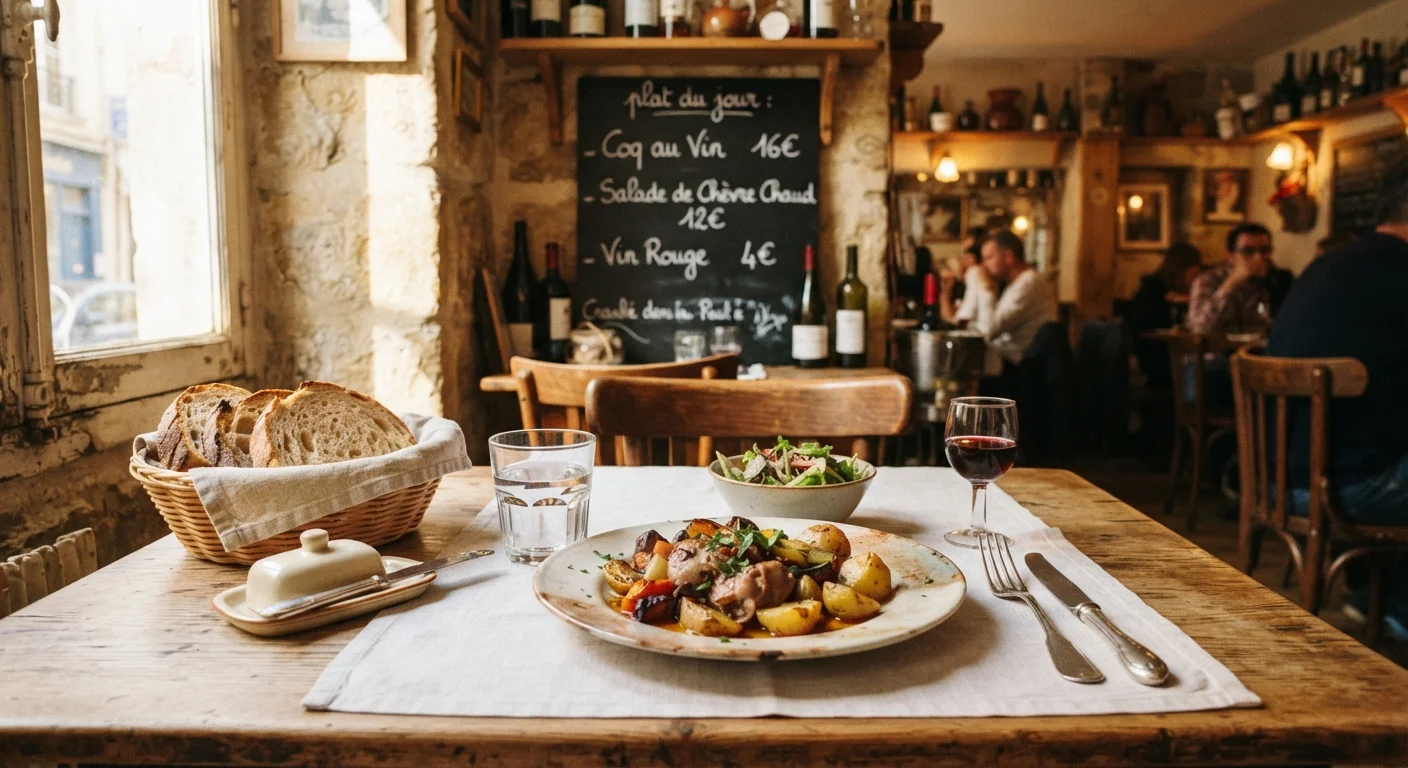
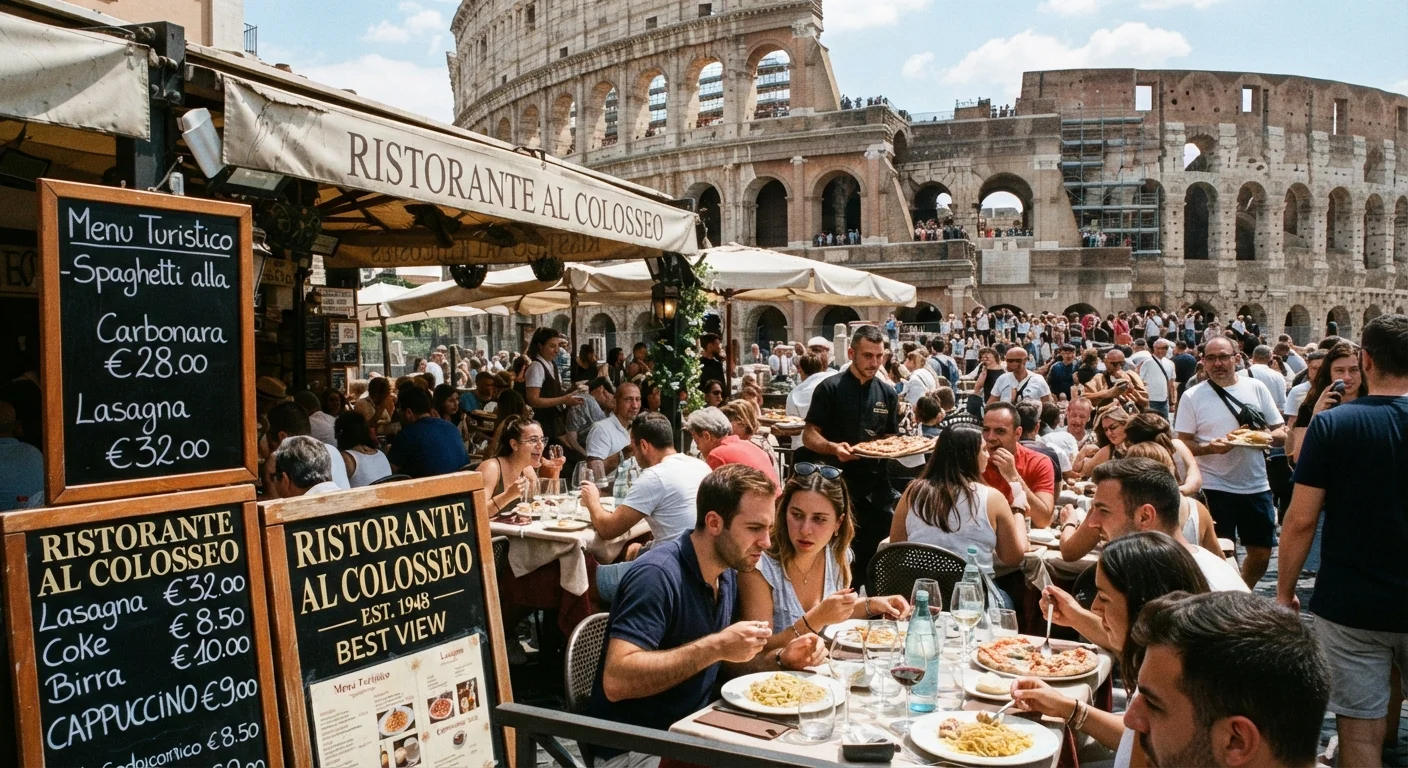
Most travelers think of restaurant costs in terms of location and cuisine type. A tourist-district trattoria versus a neighborhood osteria, or street food versus a sit-down meal — these are visible contrasts. What's less obvious is that the same restaurant, serving the same food, often charges meaningfully different prices depending on the hour of day you walk through the door.
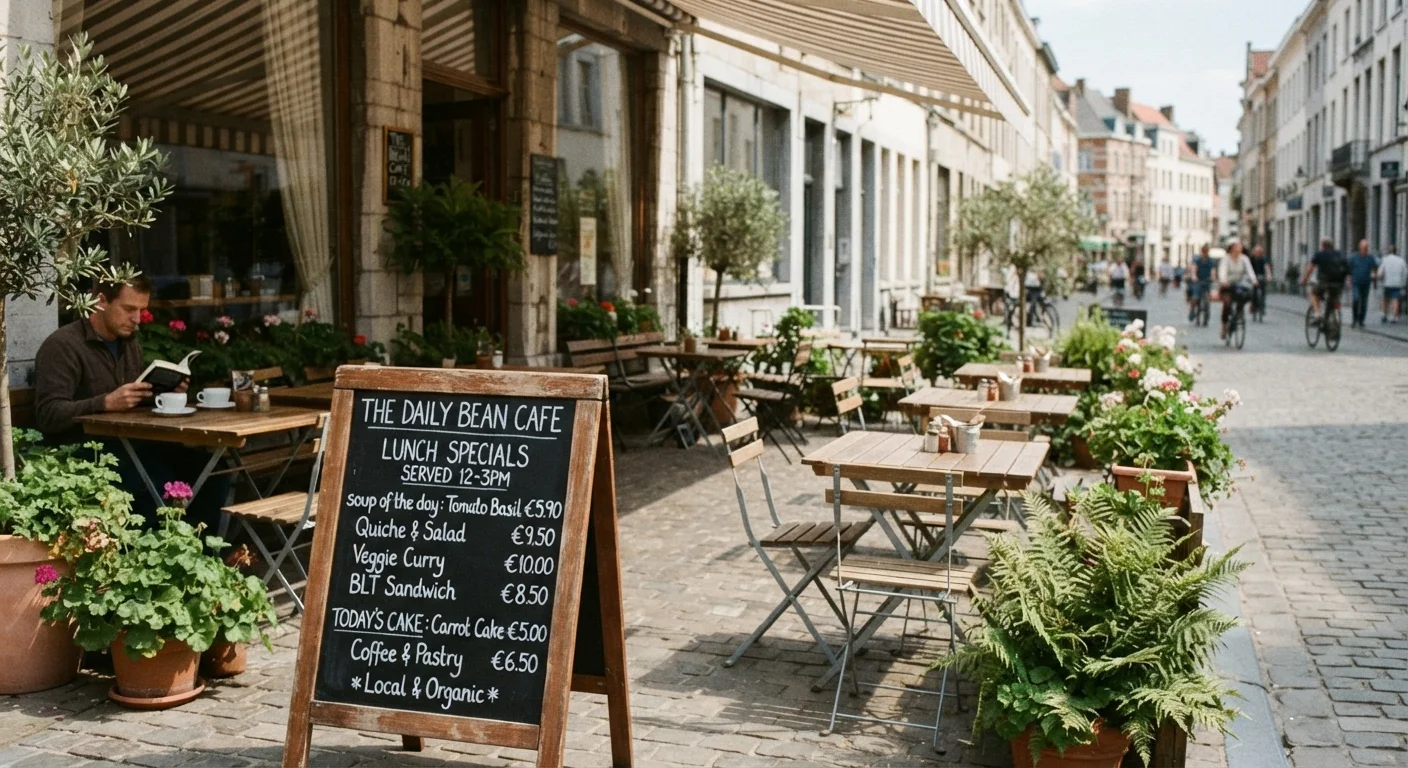
This happens for straightforward economic reasons. Lunch service in many countries is structured to attract a regular, local customer base during an otherwise slow midday period. Dinner, by contrast, carries the weight of the restaurant's full profit expectations for the day, often with a longer staffing window, higher overheads, and customers who tend to linger and order more. The result: lunch pricing is structurally lower at many establishments, not as a promotion, but as the baseline model.
Understanding this gives travelers a usable lever. It's not about hunting for discounts — it's about showing up at the moment when the economics already favor the diner. For a broader look at how eating habits intersect with local customs abroad, eating well abroad without overspending covers the full picture.
Local restaurant review app or map
Identify nearby restaurants and check posted hours, menus, and lunch special availability before committing.
Translation app
Read fixed-price lunch menus and daily specials written in the local language.
Offline city map
Navigate to neighborhoods away from tourist centers where local lunch pricing is more common.
What to Watch For: Fees and Timing Traps
Timing your meals strategically saves money, but it's worth knowing the common ways unexpected costs creep in regardless of when you eat. Cover charges, bread charges, and service fees are standard in some countries and absent in others. A meal that looks affordable at noon can still carry add-ons that inflate the final bill — understanding how billing works in your destination is worth a few minutes of research before you sit down.
Restaurant billing practices vary widely across countries, and what appears optional in one place may be effectively mandatory in another. Checking this in advance means you won't be caught off guard after a well-timed, well-priced lunch.
What you will need
Finally, keep in mind that this guide covers general patterns in restaurant and market pricing. Actual prices, hours, and menu availability vary by establishment and change over time — always verify locally once you arrive.