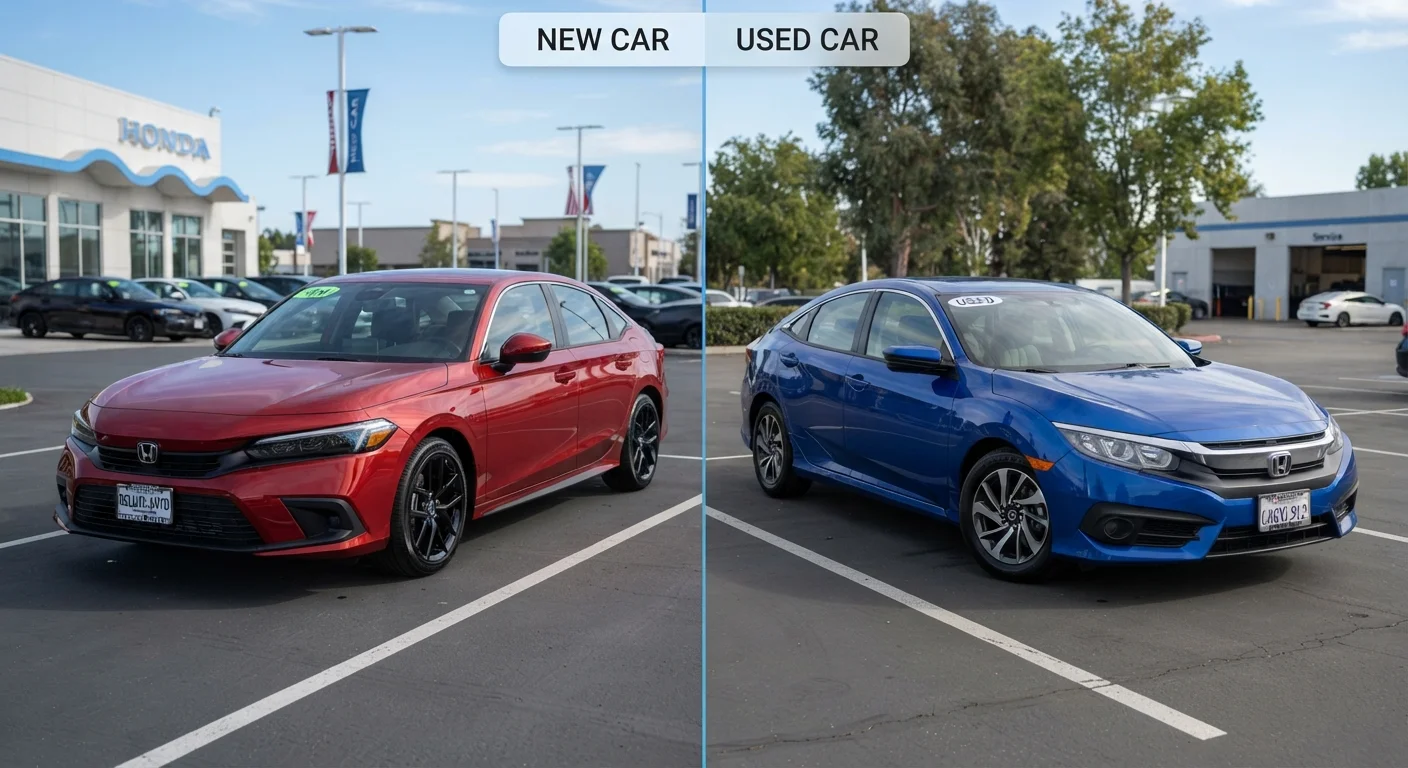

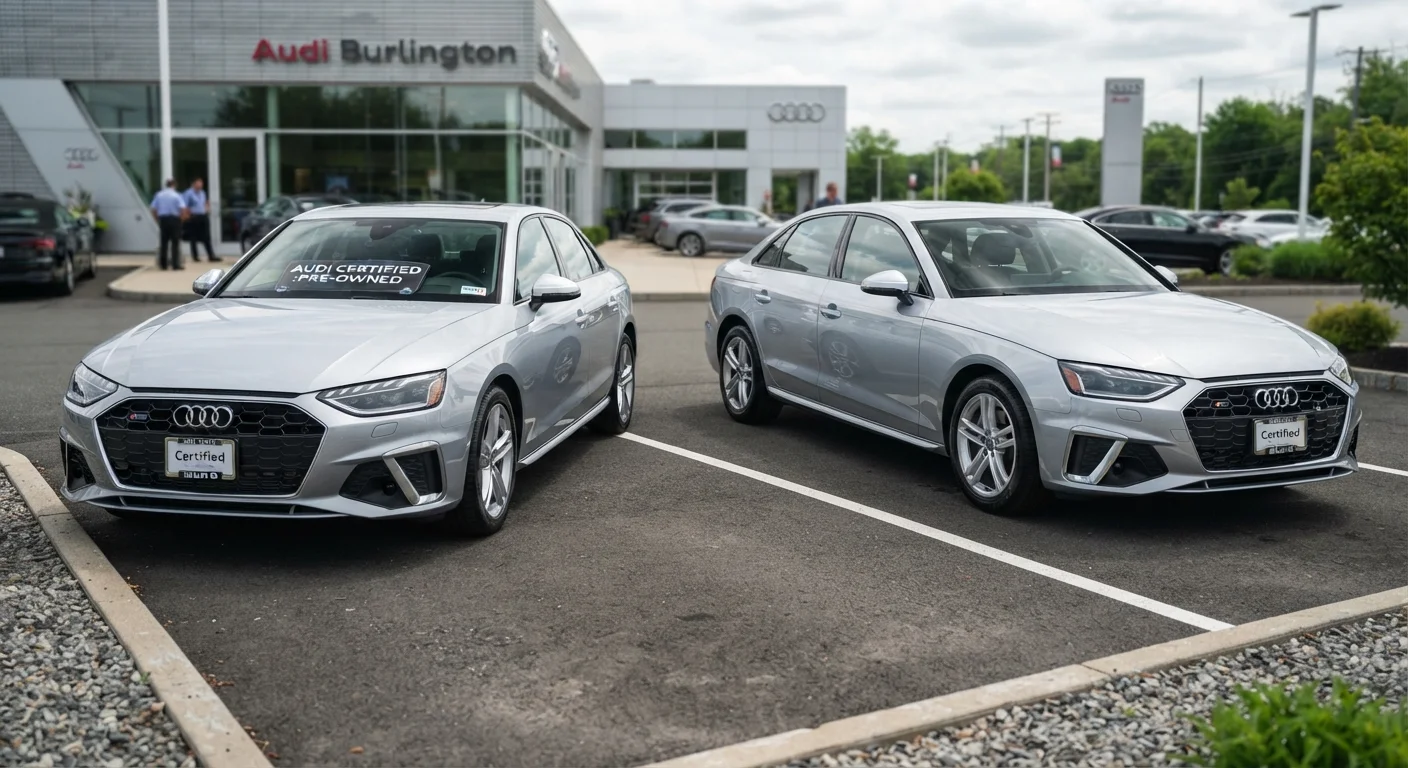
What Each Label Actually Means
A Certified Pre-Owned (CPO) vehicle has been inspected against a manufacturer's checklist - typically 100 to 200 inspection points - reconditioned where needed, and enrolled in an extended limited warranty backed by the automaker. Most CPO programs also include roadside assistance and, in some cases, a short return window. Crucially, CPO programs are administered by franchised dealerships and are tied to specific manufacturers, so a Toyota CPO program is structurally different from a Honda or Ford equivalent.
A standard used vehicle, sometimes called a non-certified used car, carries no manufacturer oversight. It may have been inspected by the selling dealer, or it may not. The seller is responsible for disclosing known issues, but the buyer bears almost all the risk once the transaction closes. That risk is reflected in the price - standard used vehicles are generally cheaper for a reason.
Understanding this distinction matters because the word "certified" can sometimes be applied loosely by independent dealers to mean very little. Only manufacturer-backed CPO programs provide the structural protections worth paying for. See our breakdown of common car-buying myths for more on misleading dealership language.
The Real Cost Difference
The CPO premium - the extra amount you pay over a comparable non-certified used car - typically falls between $1,000 and $3,500, depending on the vehicle segment and how much reconditioning was required. On a $20,000 purchase, that's a 5% to 17% markup. Whether that's worth it depends on what you're buying in return.
| Criterion | Certified Pre-Owned (CPO) | Standard Used |
|---|---|---|
| Typical price premium | $1,000-$3,500 above comparable used | Market rate, no premium |
| Manufacturer inspection | Required (100-200 point checklist) | Varies; not guaranteed |
| Extended warranty | Yes - manufacturer-backed | None (unless purchased separately) |
| Vehicle age eligibility | Usually under 6 years old | Any age |
| Roadside assistance | Typically included | Not included |
| Repair cost exposure | Low during warranty period | Full cost borne by owner |
| Negotiating flexibility | Limited - CPO pricing is firmer | More room to negotiate |
The key variable is the warranty. If a CPO warranty covers drivetrain repairs for five years or 60,000 miles and you encounter a transmission issue during that window - a repair that can run $3,000 to $5,000 - the premium pays for itself several times over. If the car runs perfectly, you've paid for peace of mind you didn't need. That's the honest trade-off.
Financing compounds the difference. A higher purchase price means a larger loan balance and more interest paid over the life of the loan, even if the rate is identical. On a 60-month loan at 7%, a $2,500 price difference translates to roughly $300 in additional interest. That's worth factoring into your total-cost calculation. For a broader cost comparison framework, see what new vs. used actually costs over five years.
$1,000-$3,500
Typical CPO price premium over standard used
Industry data from automotive pricing analysts suggests this range holds across most mainstream vehicle segments in the US.
$3,000-$5,000
Average transmission replacement cost
According to repair cost aggregators, this is a representative range for a common major repair that a CPO warranty would typically cover.
~$125
Average pre-purchase inspection cost
Independent mechanic inspection fees generally fall between $100 and $150 at most US repair shops, making it one of the highest-ROI steps in used car buying.
How to Decide: Questions That Cut Through the Noise
Rather than treating this as a universal recommendation, apply these filters to your specific situation:
- What's your financial cushion? If an unexpected $2,000 repair would cause real hardship, CPO warranty coverage is a legitimate safety net, not a luxury.
- How old is the vehicle? CPO programs typically restrict eligibility to vehicles under six years old with fewer than 80,000 miles. Outside those bounds, you're buying standard used regardless.
- How long will you keep it? Warranty coverage has a fixed term. If you plan to keep the vehicle eight years but the CPO warranty runs three, you're paying the premium for coverage that expires well before your ownership does. Long-term ownership decisions involve different math than short cycles.
- Have you priced a pre-purchase inspection? An independent mechanic inspection on a standard used car typically costs $100 to $150. It won't replicate a CPO warranty, but it will surface most serious mechanical issues before you sign anything. On a high-mileage vehicle, this step is especially important - see when high-mileage vehicles make sense for context.
- Have you read the CPO warranty terms? Deductibles, exclusions, and transferability vary. Some CPO warranties require repairs at franchised dealers only, which may not be the most affordable option in your area.
The honest answer is that neither option is universally superior. The right choice is the one that fits your risk tolerance, budget, and how long you intend to own the vehicle. Understanding value vs. price as a general principle applies directly here: paying more is only worthwhile when what you're receiving is proportionate to the cost.
CPO Programs Are Not All Equal
Manufacturer CPO programs differ in meaningful ways - coverage length, deductible amounts, which components are included, and whether repairs must be performed at a franchised dealer. Before valuing the CPO premium, read the actual warranty document, not just the sales summary. Ask specifically what is excluded, what the deductible per visit is, and whether the warranty transfers if you sell the car before it expires.