
The Core Financial Question
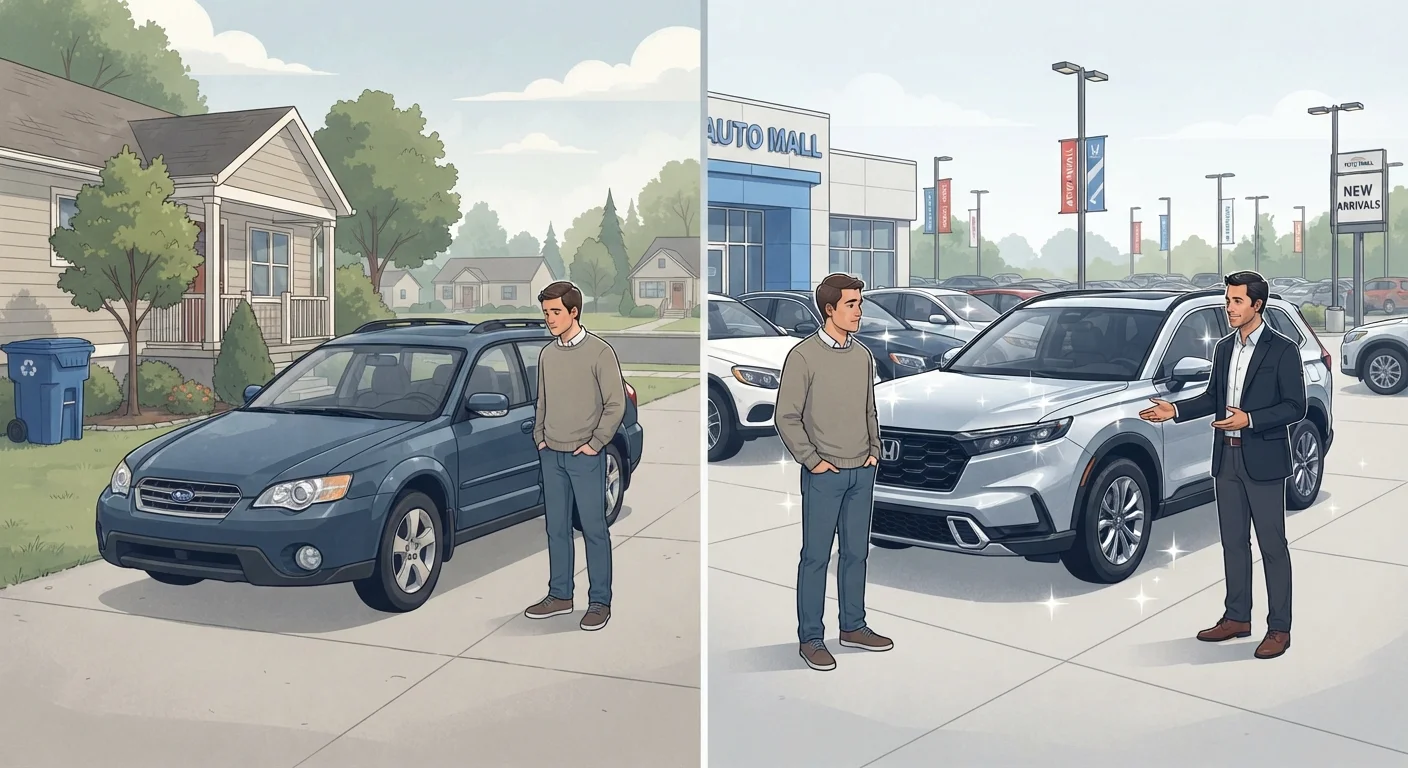
The choice between holding onto your car or trading it in every few years is fundamentally a cash-flow question - and the math often surprises people. Most of the true cost of vehicle ownership isn't what you pay at the pump or even at the shop. It's what you lose to depreciation, interest, and recurring fees that reset every time you sign a new deal.
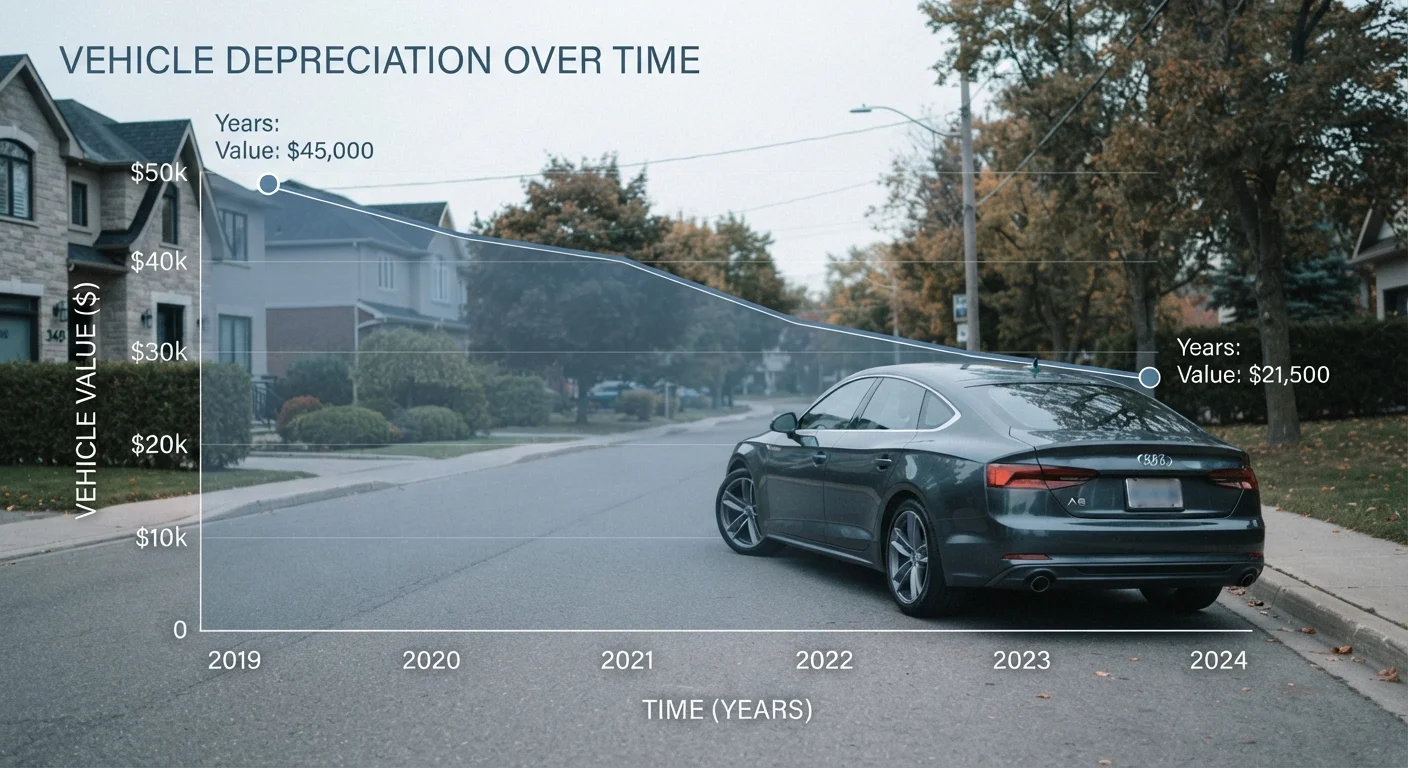
Depreciation is the largest single cost most drivers never see as a line item. A new vehicle can shed thousands of dollars in value before you've driven it a full year. Drivers who upgrade frequently absorb this steepest part of the depreciation curve repeatedly - while drivers who hold long-term largely sidestep it after the early years.
That said, long-term ownership isn't automatically the right answer for everyone. Your driving patterns, access to a trusted mechanic, and financial cushion all factor in. The goal here is to give you the information to make a grounded call.
The Case for Keeping Your Car Long-Term
No monthly car payment frees up cash
Once a car is paid off, eliminating that monthly payment - often $400-$600 for a mid-range vehicle - can redirect hundreds of dollars toward savings or other priorities each month.
Depreciation curve works in your favor
New vehicles can lose 15-25% of their value in the first year alone. By holding a car past that steep drop, you're no longer absorbing that loss yourself.
Insurance costs tend to decrease over time
Older vehicles with lower market values generally qualify for lower comprehensive and collision premiums, reducing one of the largest recurring ownership costs.
Modern cars are genuinely built to last longer
Average vehicle longevity has improved substantially over the past two decades. With proper maintenance, many vehicles can exceed 200,000 miles without major drivetrain failures.
Predictable, known vehicle history
When you've owned a car for years, you know exactly what's been serviced, repaired, and replaced - reducing the uncertainty that comes with any new-to-you vehicle.
The financial argument for long-term ownership centers on one straightforward reality: a paid-off car is dramatically cheaper to own month-to-month than a car with an active loan, even if the older car requires occasional repairs.
Consider that the average new car payment now exceeds $700 per month. A repair bill of $1,200 - which feels substantial - is equivalent to less than two months of that payment. If your car goes a full year without a significant repair, you've already come out ahead financially compared to carrying a new car loan.
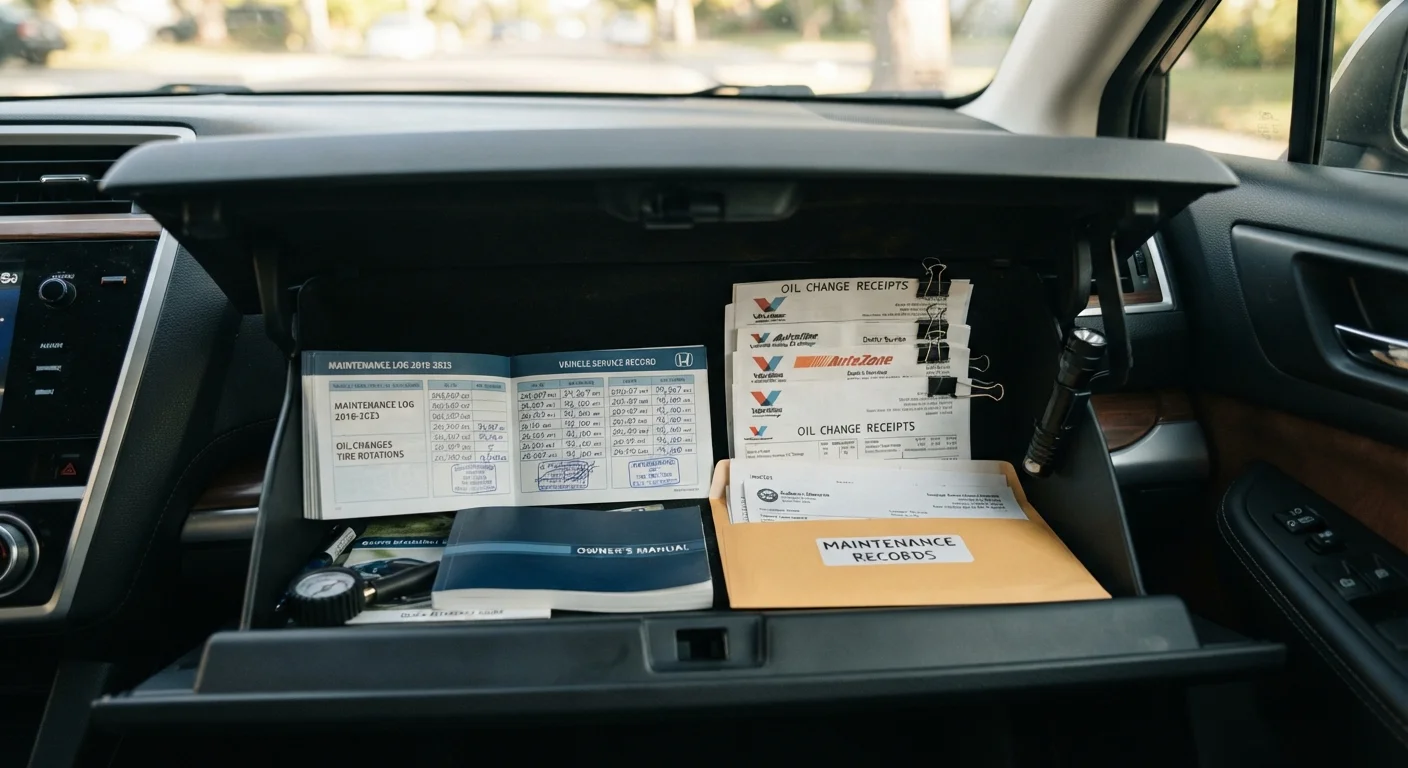
The key variable is maintenance. Vehicles that are serviced consistently tend to have fewer catastrophic failures. Skipping scheduled maintenance is where the long-term ownership strategy breaks down - deferred servicing turns manageable wear into expensive failures. If you're planning to keep a car well past 100,000 miles, staying current on the manufacturer's service schedule isn't optional; it's the foundation of the whole approach.
It's also worth noting that keeping a detailed service log pays off even if you eventually sell - a documented history adds real value and credibility to any private sale.
The Case for Upgrading Every Few Years
Repair costs increase as components age
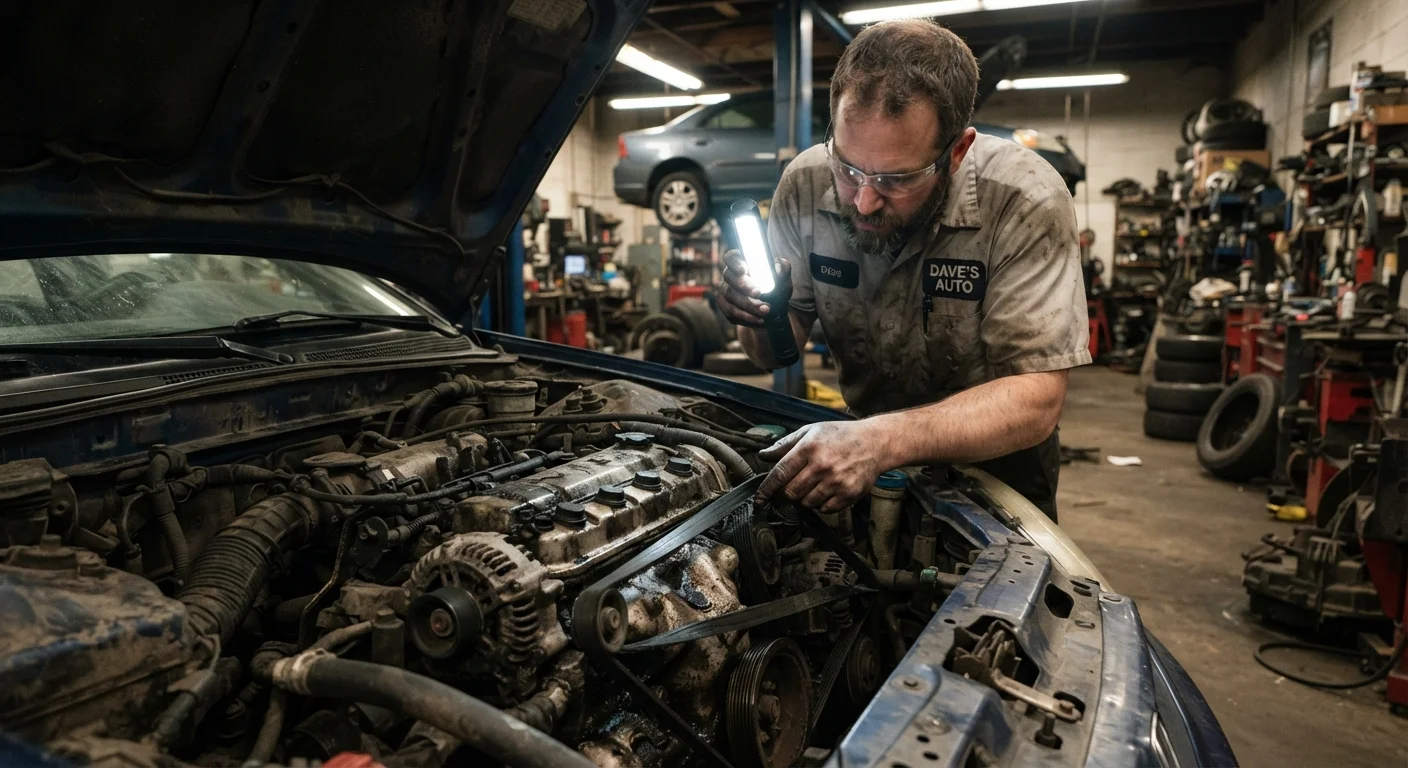
Wear items like timing belts, suspension components, and transmission seals don't last forever. As a car ages, the probability - and cost - of significant repairs rises.
Older vehicles may lack modern safety features
Technology like automatic emergency braking, lane-keeping assist, and blind-spot monitoring has become standard on newer vehicles but is absent on cars made before the mid-2010s.
Fuel efficiency may lag behind newer models
Powertrain and aerodynamic improvements mean newer vehicles often achieve meaningfully better fuel economy than a comparable older model, a gap that compounds over high annual mileage.
Reliability uncertainty can disrupt planning
An aging car may become less predictable, and an unexpected breakdown - especially without a repair fund - can create financial stress or leave you without transportation.
Frequent upgrading has a genuine appeal beyond just getting something new. For drivers who put high annual mileage on a vehicle - say, 20,000 miles or more per year - an older car may reach a reliability tipping point faster than it would for a light commuter.
Modern safety technology is also a legitimate consideration, not just a marketing talking point. Vehicles built in the last several years include driver-assistance systems that have measurable safety impacts. For families with children or drivers who log highway miles regularly, that may be a meaningful factor in the decision.
The catch is the financial structure of frequent upgrades. Unless you're paying cash, you're almost always financing - and if you're trading in before the loan is paid off, there's a real risk of rolling negative equity into the next deal. Comparing the actual five-year cost of a new versus used vehicle shows how quickly those compounding costs accumulate. Alternatively, leasing structures the upgrade cycle differently, but carries its own trade-offs for budget-focused drivers.
How to Decide What's Right for You
The Repair Fund Rule of Thumb
Financial planners commonly suggest setting aside a dedicated vehicle repair fund if you plan to keep a car long-term. A rough guideline is to save the equivalent of what a monthly car payment would cost - putting that money into a separate account each month instead of toward a new loan. This way, when a larger repair arrives, you're drawing from savings rather than going into debt or being caught off guard.
A useful starting point is to calculate your vehicle's current cost per mile - total what you've spent on insurance, fuel, maintenance, and any loan payments over the past 12 months, then divide by miles driven. Compare that honestly against what the same period would cost in a newer vehicle, including a realistic loan payment and higher insurance premium.
If your current car is paid off and mechanically sound, the numbers will usually favor staying put. If it's generating repair bills that consistently exceed what a comparable monthly payment would cost - or if it's become genuinely unreliable - that's the threshold where upgrading starts to make financial sense rather than emotional sense.
For drivers curious about whether a high-mileage vehicle still has real value, mileage alone doesn't tell the full story. Maintenance history, make reliability data, and the specific components that have been replaced matter far more than the odometer reading in isolation.
This article provides general information for educational purposes and does not constitute personalized financial or mechanical advice. Consult a qualified mechanic or financial professional for guidance specific to your situation.