
What a Vehicle History Report Actually Covers
When you run a VIN check on a used car, you're pulling a record of events that were formally logged in connected databases. That covers more ground than many buyers expect - but it also stops well short of a full picture.
Here's what a typical report reliably documents:
- Title history and status: Whether the car has a clean title, or has been branded as salvage, rebuilt, flood-damaged, or a lemon-law buyback. These designations are legally required in most states once triggered.
- Number of previous owners: Each time a car is re-registered in a new name, that transfer is typically recorded.
- Reported accidents: If an insurance claim was filed following a collision, that event usually makes it into the report - though the severity detail can be vague.
- Odometer readings: Mileage recorded at registration renewals and state inspections creates a timestamped trail that can reveal odometer rollbacks when readings decrease between entries.
- Lien status: Whether an outstanding loan is attached to the vehicle - important, because buying a car with an open lien can create serious legal complications.
- Use history: Whether the car was ever registered as a rental, fleet, taxi, or police vehicle - all factors that affect how heavily the car was likely used.
This is genuinely useful information. A salvage title, a prior total-loss claim, or a rental fleet designation are all serious flags worth knowing before you make an offer.
1 in 5
Used cars with a hidden problem history
According to Carfax data, approximately one in five used vehicles has a reported accident, title issue, or other documented problem that buyers may not be aware of.
$100-$200
Typical cost of a pre-purchase inspection
Industry estimates from consumer automotive resources consistently place independent mechanic inspection costs in this range - a small fraction of typical repair bills for undisclosed defects.
~40%
Accidents estimated to go unreported to insurers
Research from the Insurance Research Council suggests a substantial share of collision incidents are resolved privately, meaning they leave no trace in insurance-based history databases.
What a Vehicle History Report Cannot Tell You
The report's blind spots are where buyers get burned. Because the system only captures events that were formally reported to insurers, government agencies, or auction houses, a significant portion of a car's real history can go completely undocumented.
Common gaps include:
- Private repairs after unreported accidents: A seller who pays out of pocket to fix a fender-bender after a collision - bypassing their insurer - leaves no trace. The car looks accident-free on paper.
- Mechanical wear and deferred maintenance: Oil changes skipped, timing belts ignored, brake pads run to metal - none of this appears in a history report unless a dealership submitted service records.
- Flood damage without a filed claim: After major weather events, some vehicles are dried out and sold privately before a title brand is ever applied. The report may show nothing.
- Paint and bodywork quality: Mismatched panels, amateur body filler repairs, or resprayed sections that signal hidden structural damage are invisible in any database.
- How the car was actually driven: Whether the previous owner tracked the car on weekends, rode the clutch constantly, or consistently overloaded it - a report tells you nothing about driving behavior.
This is why a pre-purchase inspection by an independent mechanic is non-negotiable for any serious used-car purchase. A trained mechanic can spot evidence of hidden repairs, frame damage, fluid leaks, and wear patterns that no database will ever capture.
Always Cross-Check the Odometer Trail
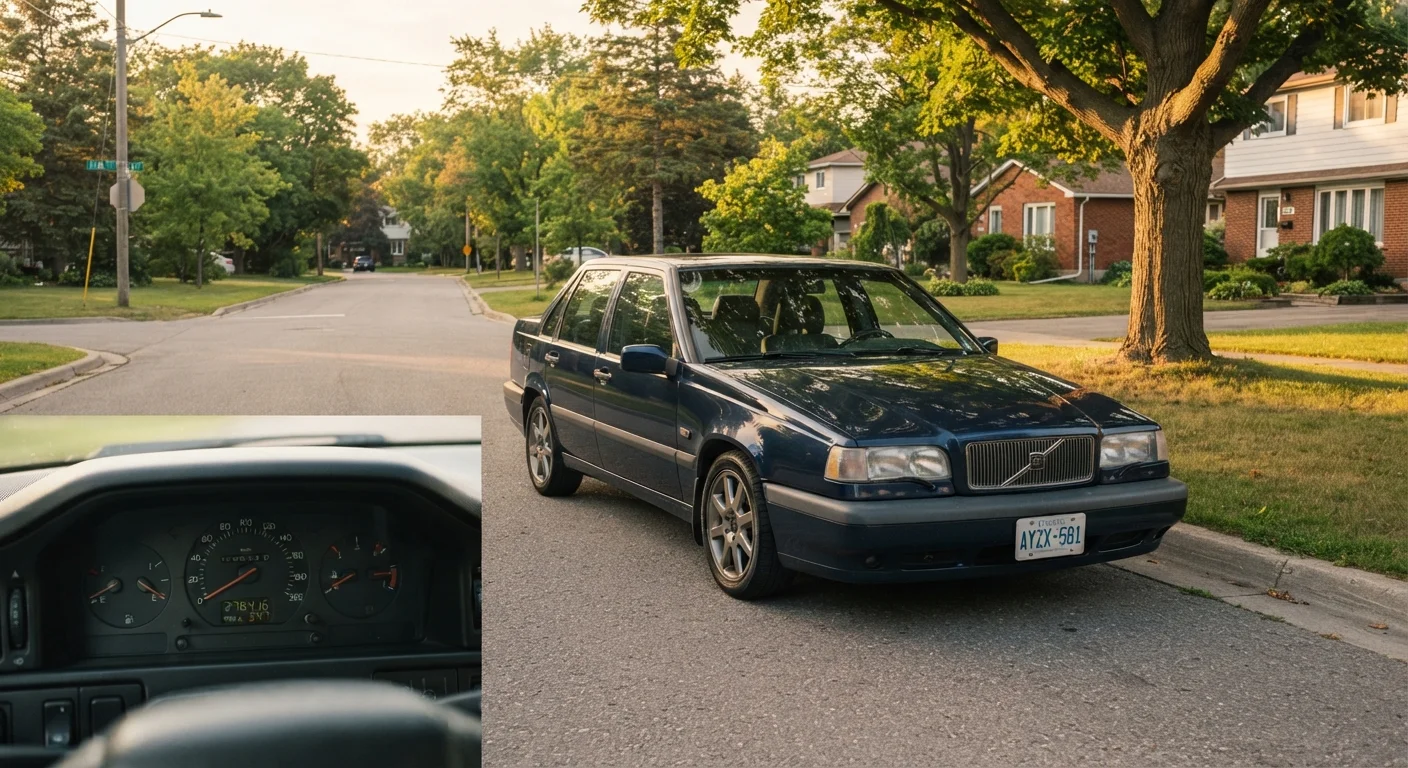
When reviewing a history report, scan all odometer entries chronologically. If readings ever decrease between recorded dates, that's a serious red flag for rollback fraud. Even large gaps between readings - with no explanation - are worth questioning the seller about directly.
How to Use a History Report as Part of a Broader Strategy
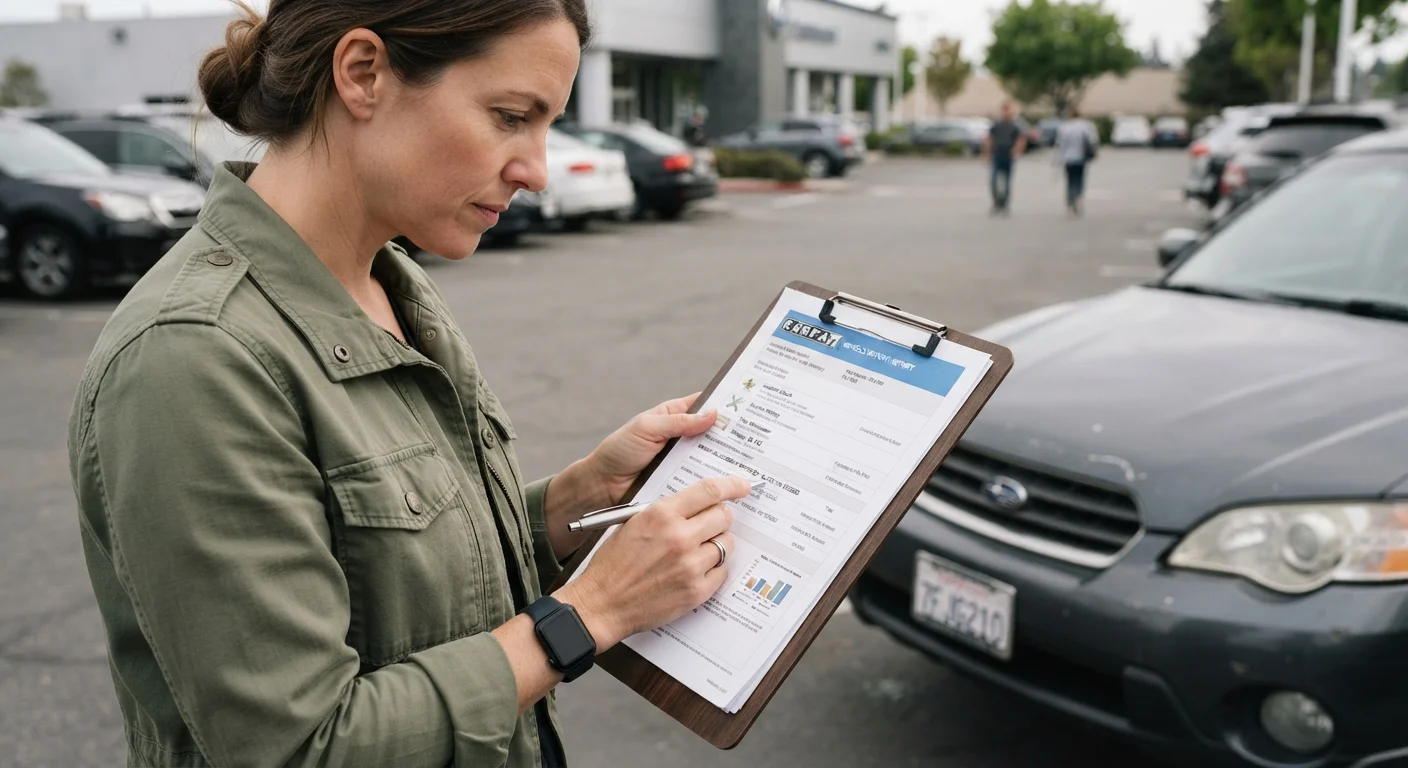
Think of a vehicle history report as a screening tool, not a verdict. It helps you quickly eliminate the most obviously problematic cars - those with salvage titles, multiple reported accidents, or a lien attached - before you invest time in a full inspection.
For the cars that pass that initial screen, layer in additional research:
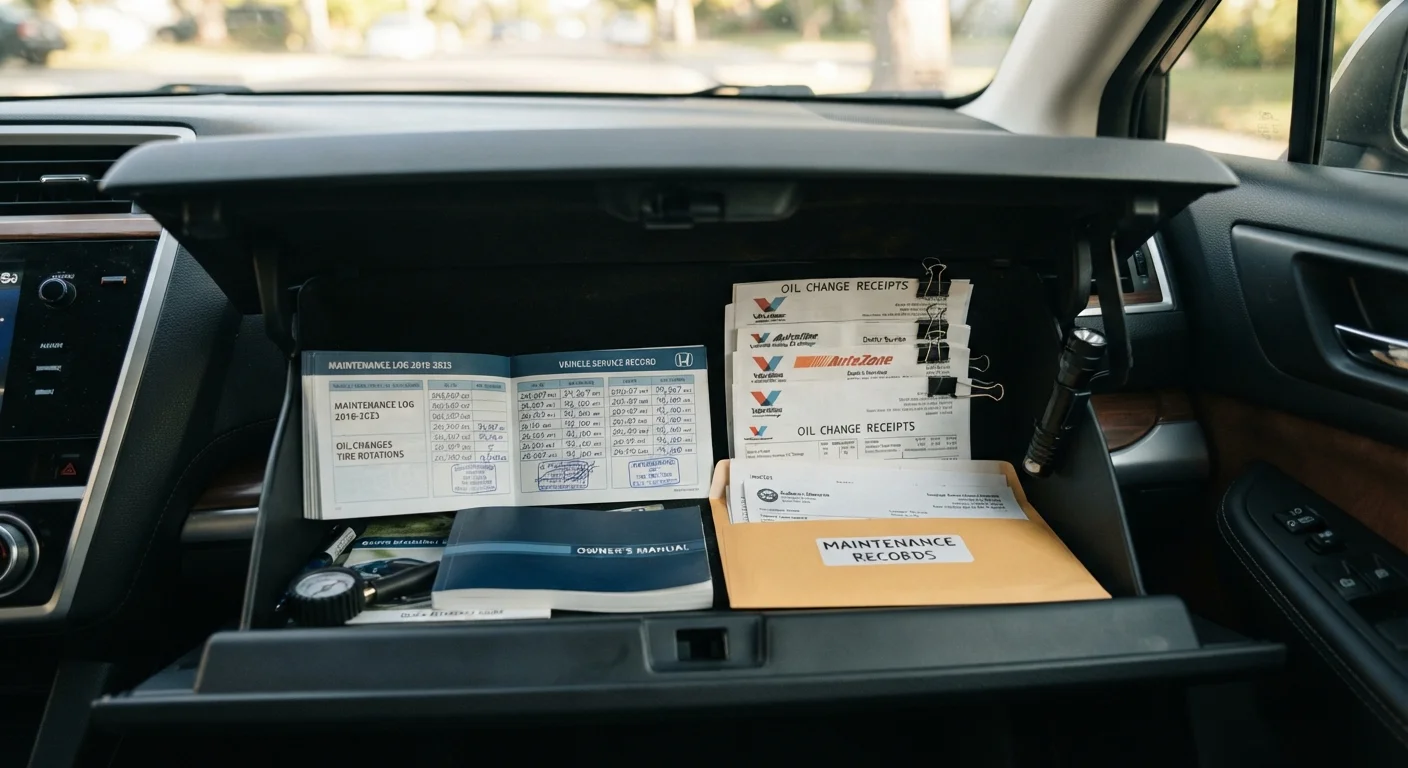
- Ask for physical service records. A seller with a maintained car should have receipts or a logbook. As explained in our guide on keeping a car service log, documented maintenance adds genuine confidence to a purchase decision.
- Consider mileage in context, not isolation. Our coverage of high-mileage vehicles explains why a well-maintained car with 150,000 miles can be a sounder purchase than a neglected one at 60,000.
- Do your homework before you visit. The research habits that matter most before meeting any seller go well beyond running a VIN - and they put you in a much stronger negotiating position.
- Get a pre-purchase inspection. This is where the real gaps in a history report get filled. Budget $100-$200 for an independent mechanic to put the car on a lift. It's among the highest-return moves you can make when buying used.
A vehicle history report costs relatively little and takes minutes to run. But its value lies in what it rules out, not in what it confirms. No report can substitute for eyes-on, hands-on evaluation of a car you're seriously considering.