

Why Grocery Budgets Leak So Reliably
Most grocery waste isn't dramatic - it's not one reckless haul or a single bad decision. It's a slow, steady drain caused by habits that feel harmless in the moment: grabbing something because it looks good, buying a larger pack to "save," or skipping the freezer aisle entirely. These patterns compound quietly, and over a month they can represent a meaningful chunk of a tight budget.
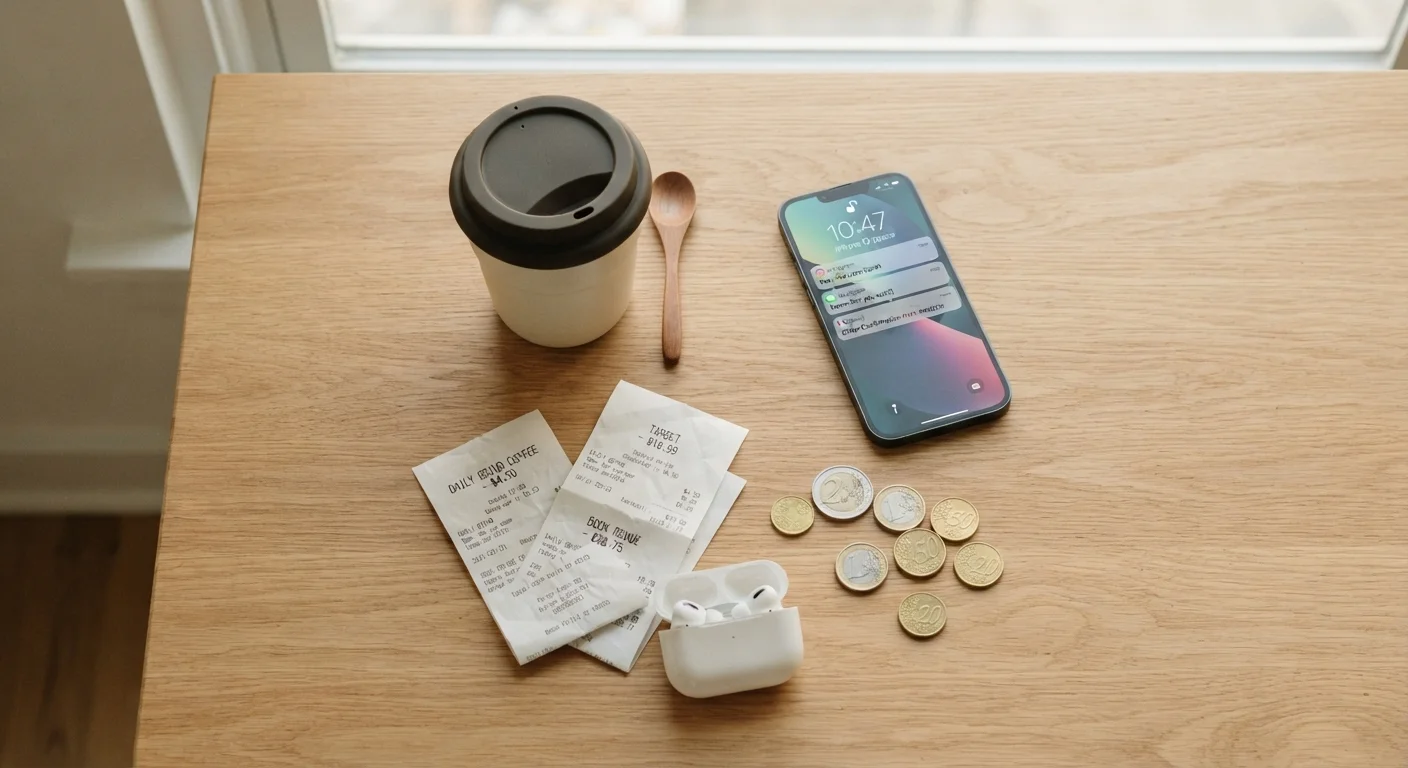
Understanding where the money actually goes is the first step toward stopping the leak. The mistakes below are among the most common - and the most fixable. For a broader look at how small purchases erode finances beyond the grocery store, see how everyday micro-expenses quietly add up.
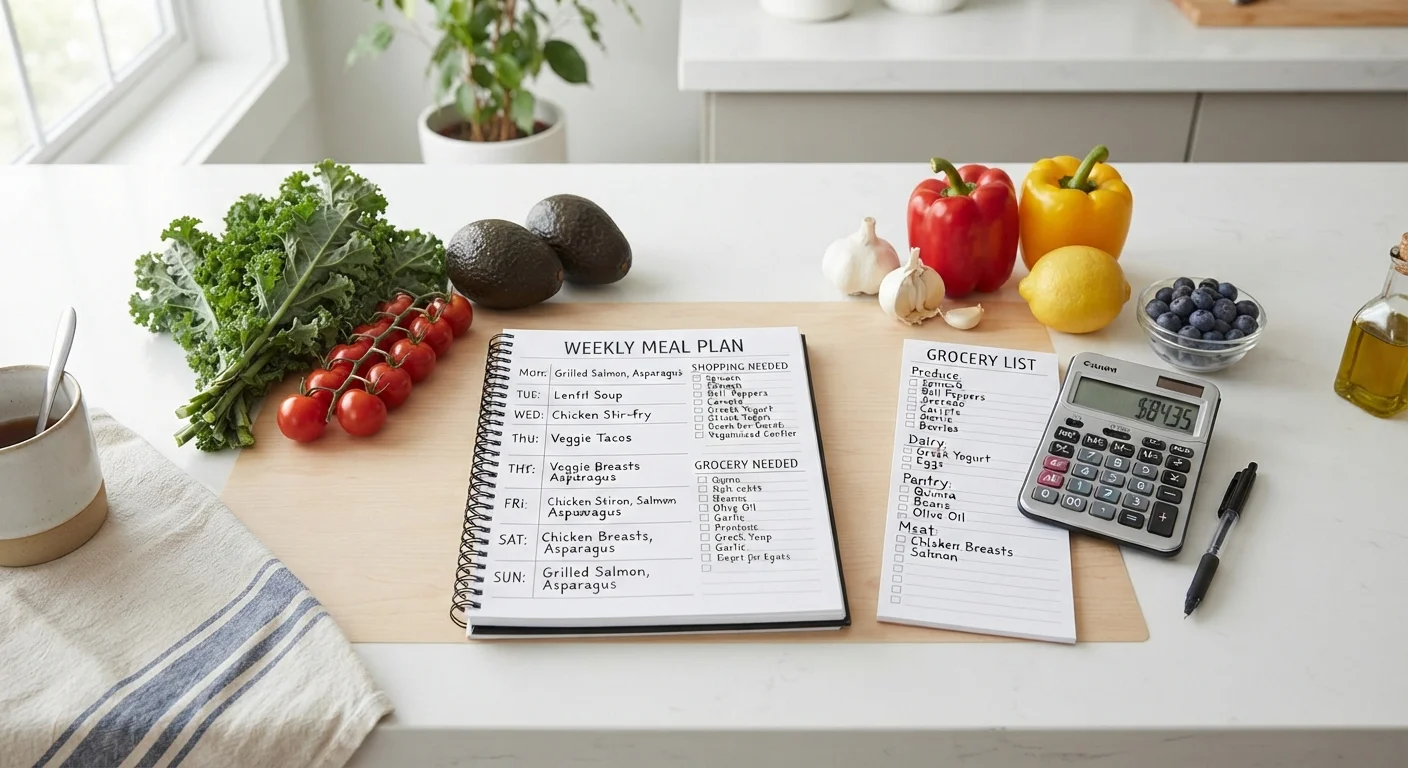
Shopping without a list - or a plan for what meals you're actually making.
Why it happens: It feels faster and more flexible to shop by feel, and most people overestimate how well they know what they already have at home.
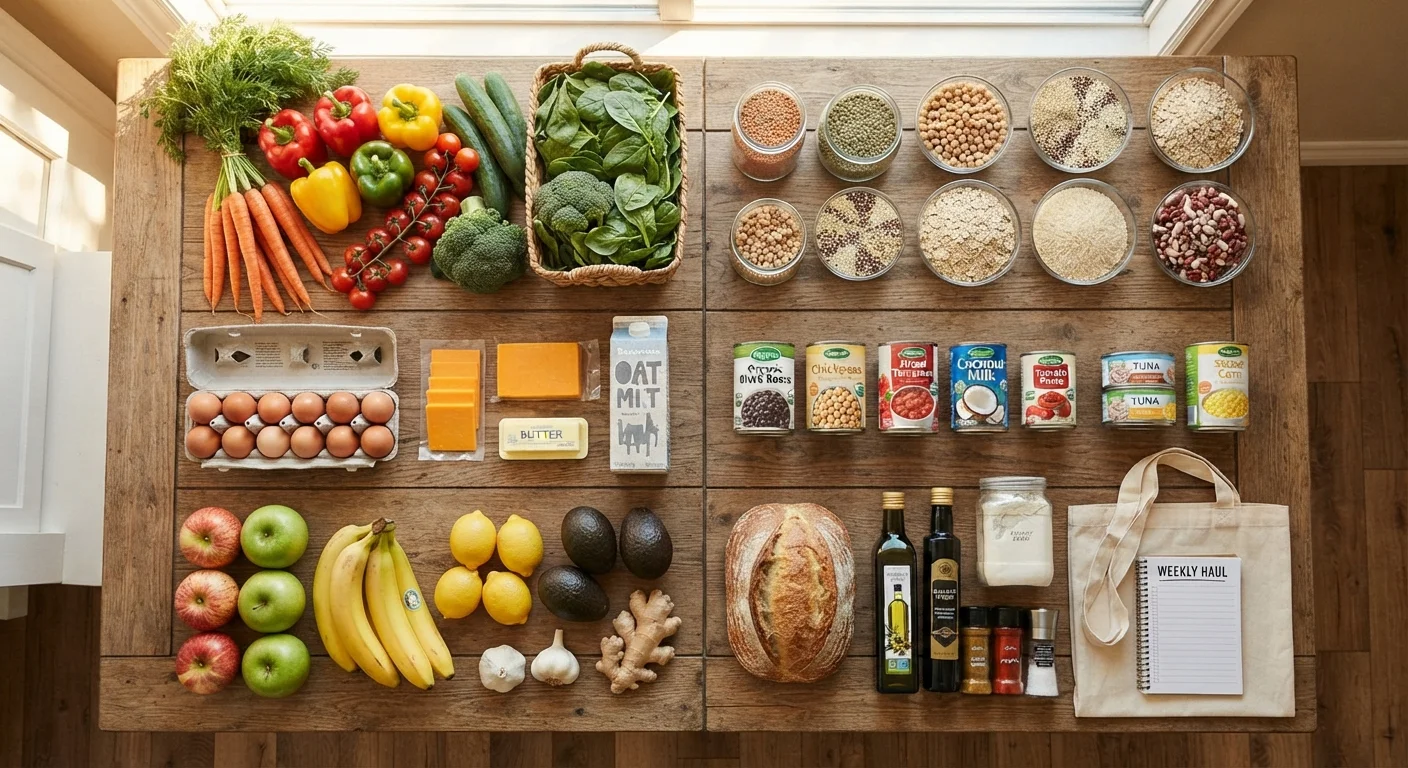
Buying in bulk when you don't have a realistic plan to use everything.
Why it happens: Bulk packaging signals savings, and the per-unit price genuinely is lower - but that math only works if nothing spoils or goes unused.
Ignoring the freezer aisle and avoiding frozen produce.
Why it happens: Fresh produce is perceived as healthier, and frozen options carry an outdated reputation for being lower quality.
Reflexively choosing name-brand products when store-brand options are available.
Why it happens: Brand familiarity breeds trust, and many shoppers assume higher price means higher quality without checking ingredient labels.
Making multiple small shopping trips throughout the week instead of one planned trip.
Why it happens: It feels convenient and low-commitment, but each additional trip is another opportunity to buy things not on any plan.
Tossing food that's past its "best by" date without checking whether it's actually spoiled.
Why it happens: Date labels are widely misunderstood. "Best by" and "sell by" dates are quality indicators set by manufacturers, not safety cutoffs established by regulators.
Building Smarter Habits at the Store and at Home
Fixing these mistakes doesn't require a complete overhaul of how you eat. It requires a few consistent routines: checking what you have before you shop, matching your purchases to a realistic meal plan, and actually using the freezer as the money-saving tool it is.
~30-40%
Share of US food supply that goes to waste
According to the USDA, roughly 30 to 40 percent of the US food supply is wasted, with households being a significant source of that loss.
$1,500+
Estimated annual food waste cost per household
The Natural Resources Defense Council has estimated that the average American family of four loses more than $1,500 worth of food to waste each year.
Meal planning is one of the highest-leverage changes a budget-conscious household can make. Research consistently shows that planned grocery trips result in less waste and lower weekly spend than spontaneous shopping - for a side-by-side breakdown, see what the evidence says about planned vs. unplanned grocery habits.
Once you've addressed the core mistakes, a structured weekly framework can help you maintain the gains. This practical framework for weekly grocery spending shows how to allocate each dollar so meals stay nourishing without blowing the budget. And if food waste at home is still a persistent issue, these principles for reducing food waste can help you use more of what you buy.
Date Labels Are Not Safety Expiration Dates
"Best by," "sell by," and "use by" dates are mostly quality guidelines, not federally mandated safety deadlines - with the exception of infant formula. Discarding food solely based on these labels is one of the leading drivers of household food waste. When in doubt, use your senses to assess whether food is still good.
This article provides general financial and nutrition information for educational purposes. It is not personalized financial or dietary advice. Consult a qualified professional for guidance specific to your circumstances.