
Why Pay for Plants When So Many Are Already Free?
Garden centers can be genuinely exciting - and genuinely expensive. A few trays of seedlings, a perennial or two, and a potted herb quickly add up to $50 or more before you've even touched soil. But there's a parallel economy running alongside those retail shelves: a loosely organized, generous network of gardeners sharing surplus plants, cuttings, and seeds for nothing in return except goodwill.
This isn't a niche activity. Established gardeners routinely end up with more divisions, seedlings, and cuttings than they can use. Perennials spread and need splitting. Herbs self-seed prolifically. Tomato seedlings come up forty strong when you only needed ten. The result is an abundance that most gardeners are happy to pass along - if you know where to look.
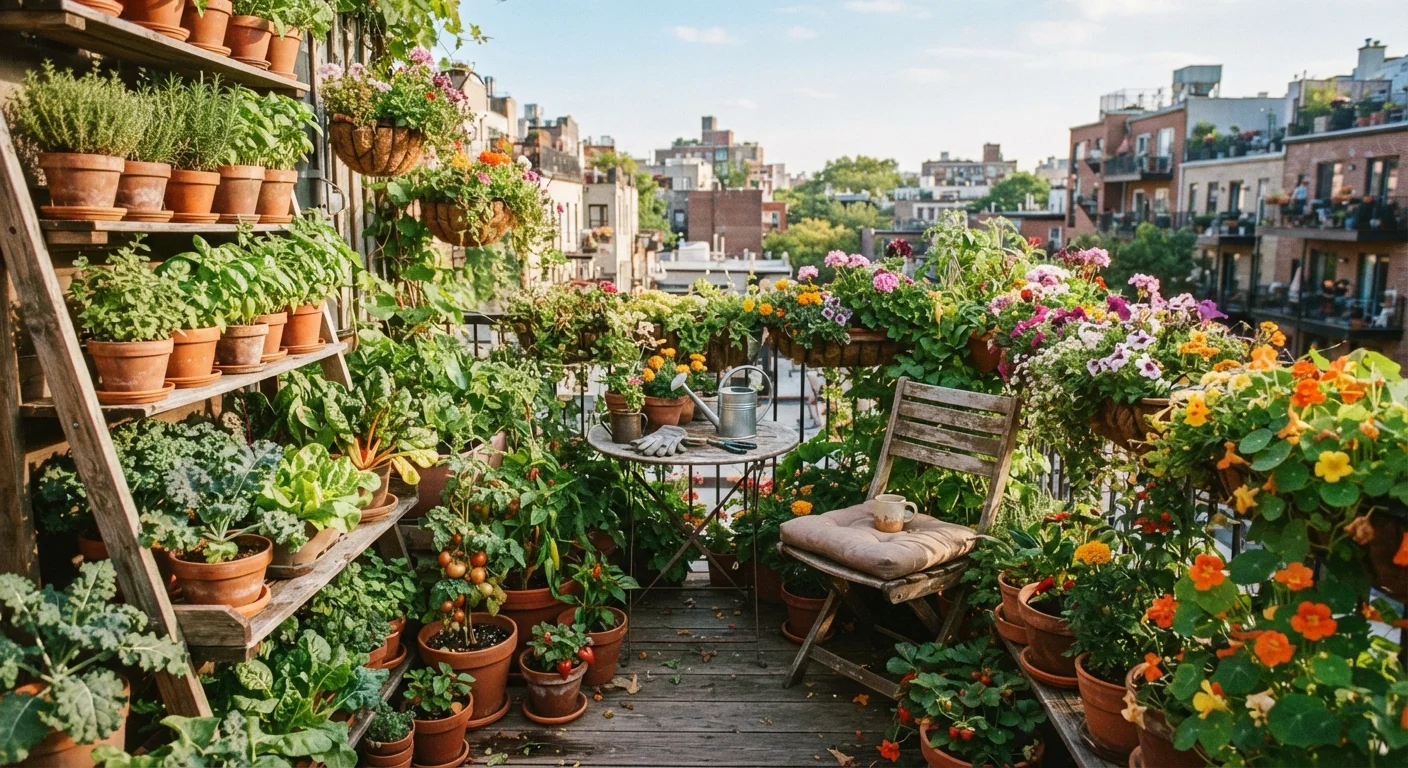
The strategies below cover the main channels for sourcing free plants, how to handle what you receive, and how to start contributing so the cycle keeps going. If you're also growing in limited space, our guide to renter-friendly gardening covers how to make the most of balconies and windowsills once your free plants arrive.
Attend or organize a local plant swap
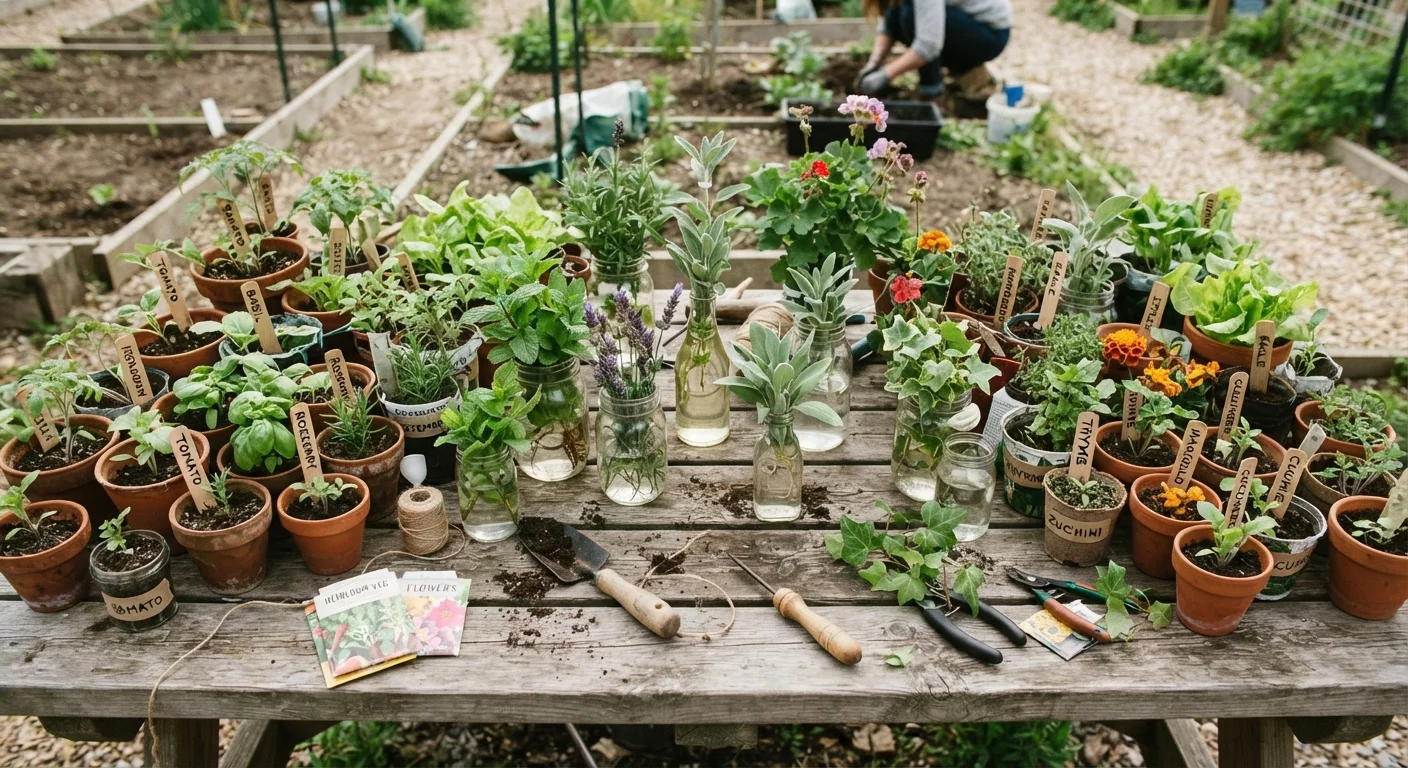
Plant swaps are organized events - sometimes through community gardens, neighborhood associations, libraries, or gardening clubs - where participants bring surplus plants and take home what others have brought. They're straightforward: show up with something to share, leave with something new.
Search for swaps through local Facebook groups, Nextdoor, Meetup, or community bulletin boards. If you can't find one nearby, starting a small swap is easier than it sounds - a front yard, a park picnic table, or a community garden plot can work as a venue. Even a dozen participants can generate a genuinely useful variety of plants.
Bring your plants labeled with their name and basic care needs. That small effort makes your contributions more attractive and models the kind of swap etiquette that makes these events function well.
Plant swaps generate real variety - often including named cultivars you'd pay a premium for at retail.
Use Freecycle, Buy Nothing, and Nextdoor to find giveaways
Freecycle (freecycle.org) and Buy Nothing groups (typically organized through Facebook) exist specifically to facilitate giving and receiving items at no cost - and plants are among the most commonly offered items during growing season. Nextdoor also regularly sees posts from neighbors offloading garden surplus.
Joining these groups and setting up alerts for keywords like "plant," "seedlings," "herbs," or specific plants you want costs nothing and takes minutes. Respond promptly to posts - popular giveaways go quickly. It's also worth posting a "wanted" request describing what you're looking for; many people don't think to post what they have until someone asks.
These networks work best when you participate in both directions. Once your garden is producing surplus, posting your own giveaways keeps the goodwill circulating and often prompts others to think of you when they have something to share.
A simple 'wanted' post in a Buy Nothing group often surfaces plants you'd never have thought to ask for.
Take cuttings from friends, family, and willing neighbors
Many popular plants root readily from stem cuttings - including mint, rosemary, basil, lavender, pothos, succulents, and a long list of flowering perennials. A cutting is simply a short section of stem snipped from a healthy plant, which then develops its own root system when placed in water or moist growing medium.
The basic process: take a 4-6 inch cutting just below a leaf node, remove lower leaves, and place the stem in a glass of water or a small pot of damp potting mix. Many cuttings root within two to four weeks. Success rates vary by plant and season, so taking multiple cuttings increases your odds.
Asking friends or neighbors with established plants for a cutting is usually warmly received - most gardeners are happy to share. You're not harming the parent plant when done correctly, and the person asking often ends up with a meaningful connection to where their plant came from.
A single rosemary or lavender cutting, properly taken, can establish a full plant at zero cost.
Divide established perennials to multiply your stock
Perennials - plants that return each year - naturally spread over time, and many benefit from being dug up and divided every few years to stay vigorous. Division simply means separating a clump into two or more sections, each with roots attached, and replanting them. Hostas, daylilies, coneflowers (Echinacea), black-eyed Susans, and ornamental grasses are among the most commonly divided perennials.
If you already have any perennials in your garden, this is the fastest way to fill more space without spending anything. If you don't yet, ask around: gardeners with established clumps are often actively looking for someone to take divisions off their hands, particularly in spring and fall when division is typically done.
Our guide to perennials vs. annuals explains why investing in perennial stock - even free stock - tends to pay off more over time than relying on annuals.
Dividing a single daylily clump can yield five or more new plants ready to fill bare spots.
Collect seeds from plants you already grow or receive
Once you have any plants producing flowers or fruit, seed saving extends your free-plant network indefinitely. Many vegetables, herbs, and annual flowers produce seeds that are straightforward to collect, dry, and store - and planting those seeds the following season costs you nothing beyond time.
Tomatoes, peppers, beans, sunflowers, zinnias, and calendula are reliable starting points. The key distinction to know: seeds saved from open-pollinated or heirloom varieties will grow true to the parent plant, while seeds from F1 hybrid varieties (common in many commercial seedlings) may produce unpredictable results. When in doubt, check the plant label or ask the person you received the plant from.
Our detailed guide to seed saving covers which seeds are worth collecting and how to store them so they remain viable through winter.
Seeds saved from open-pollinated varieties can stock your entire garden the following season for free.
Check community gardens, extension offices, and local seed libraries
Community gardens often run their own plant and seed exchanges, sometimes informally among members. Many US public libraries now host seed libraries where you can borrow seed packets, grow the plants, and return seeds at the end of the season - effectively borrowing the genetics rather than buying them. Your local Cooperative Extension office (run through land-grant universities in each state) may also host plant clinics or know of local gardening programs with free plant giveaways.
These institutional resources are underused and genuinely valuable. Extension offices in particular offer research-backed growing advice specific to your region, which can meaningfully improve the success rate of any plants you receive through swaps or cuttings. Most of their resources - including soil testing guidance and pest identification - are free or very low cost.
Seed libraries let you grow an entire season's plants for free, provided you return seeds at the end.
Building a Free-Plant Habit That Compounds Over Time
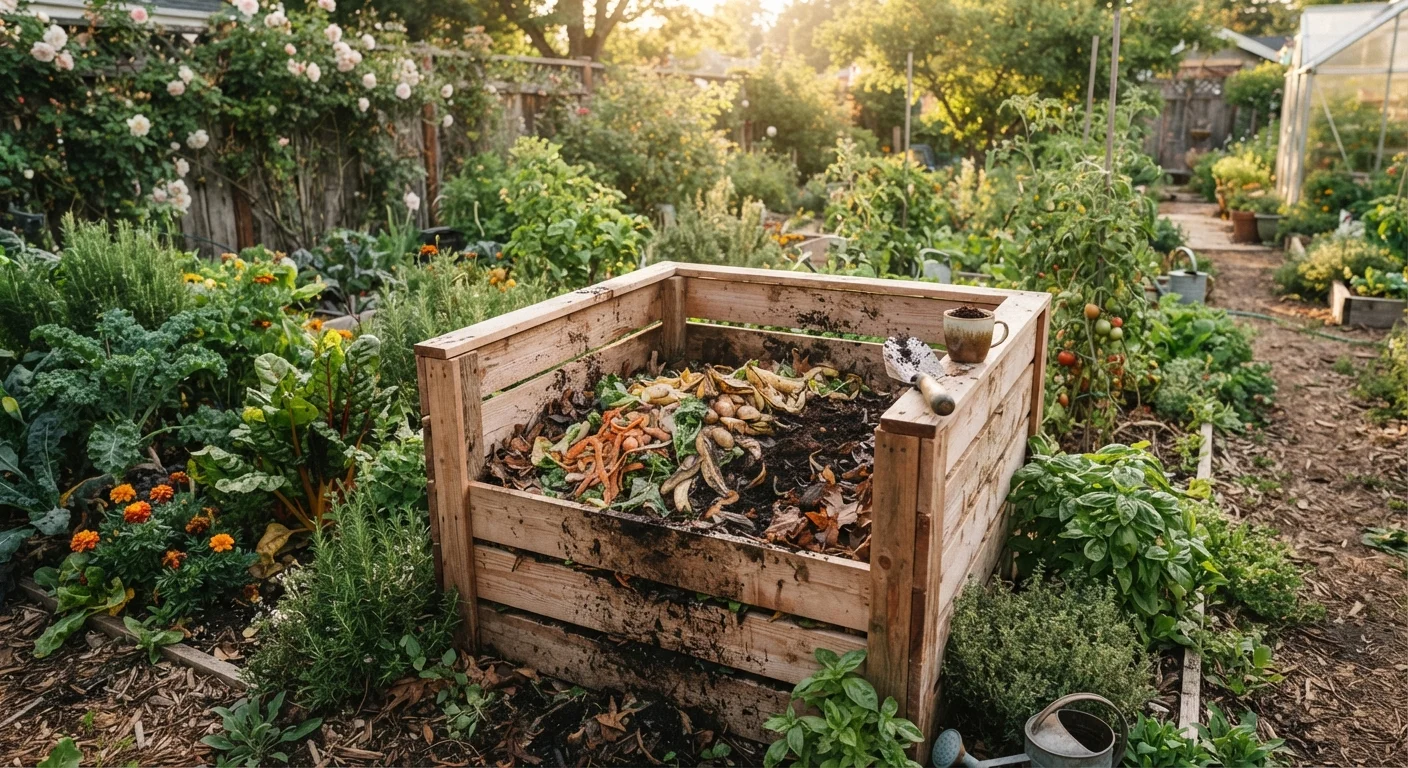
Each of these strategies works well on its own, but they compound when combined. Once you're propagating cuttings, attending swaps, and saving seeds, your garden becomes largely self-sustaining. Pair that with home composting and you can eliminate most recurring garden expenses entirely.
Start Small, Then Scale What Works
When you're new to propagating cuttings or dividing plants, begin with the most forgiving species: mint, pothos, hostas, and succulents are all highly tolerant of beginner mistakes. Once you're confident with easy plants, the same skills transfer to more demanding ones. Tracking what worked - even in a simple notebook - helps you repeat successes and avoid repeating failures.
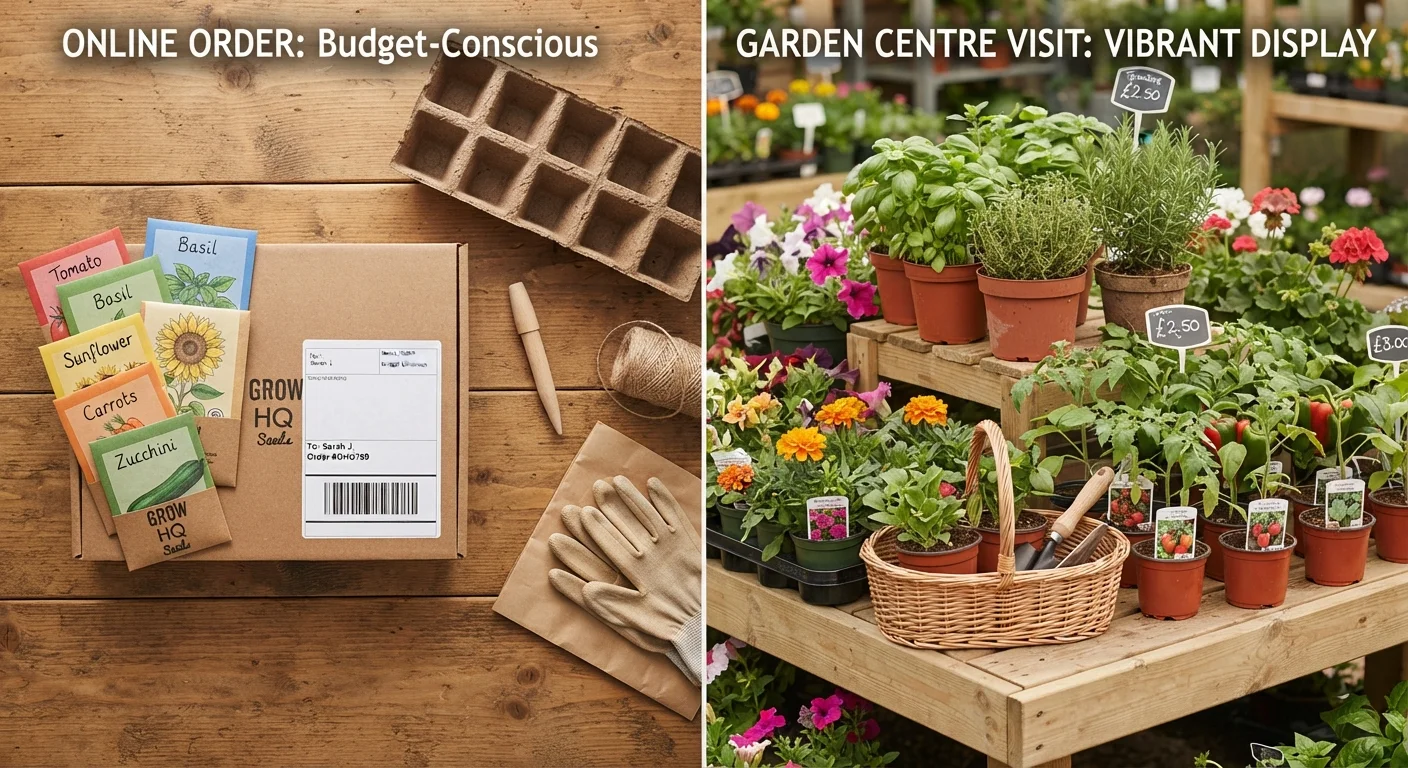
If you eventually want to compare what you're saving against retail alternatives, our article on garden centers vs. online seed suppliers breaks down where money does and doesn't go further when you do need to buy. And for plants that reward your investment season after season, see our breakdown of perennials vs. annuals to prioritize what's worth growing from free stock.