
The Real Cost Breakdown: Price Per Seed vs. Price Per Plant
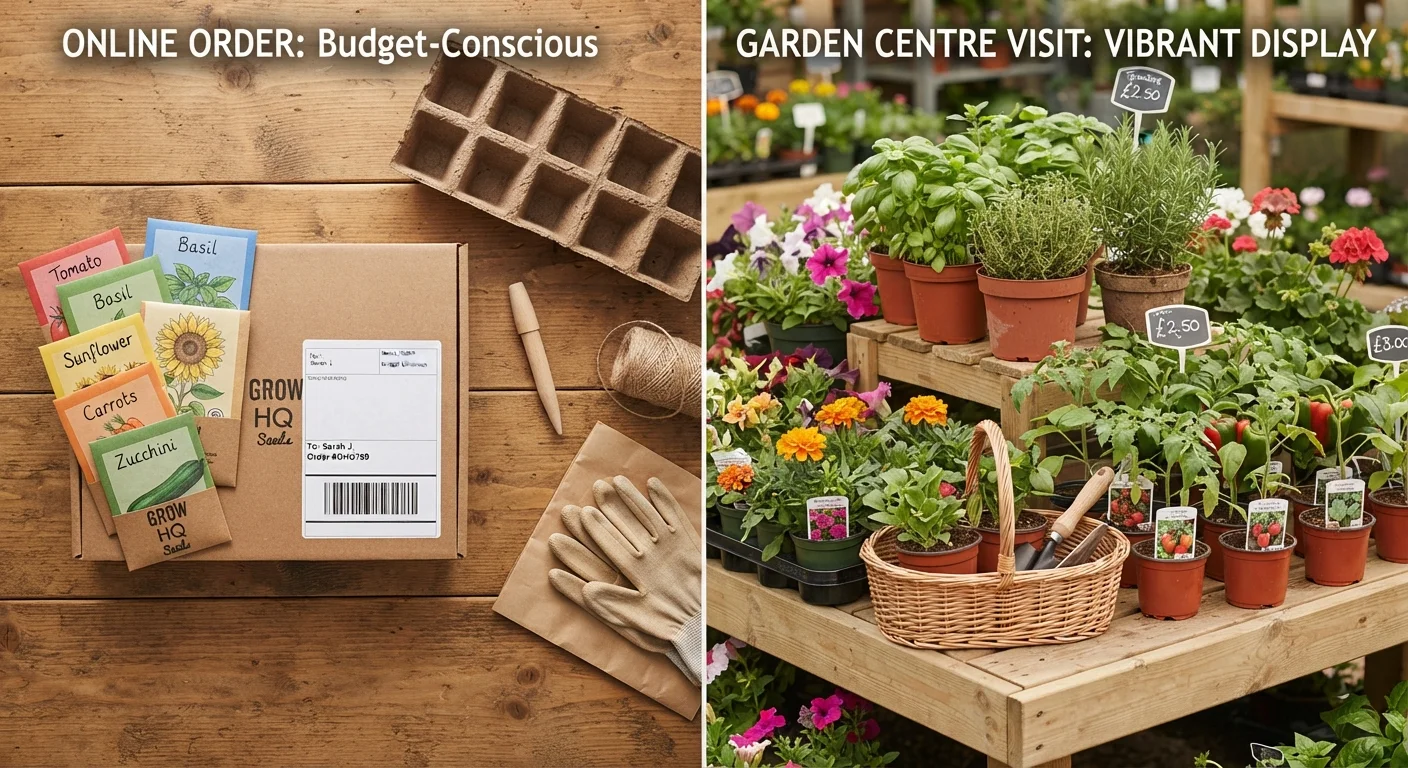
The most obvious difference between garden centres and online seed suppliers comes down to what you're actually buying. A packet of tomato seeds from an online supplier might cost $3-$5 and contain 25-50 seeds. The same variety as a 4-inch transplant at a garden centre could run $4-$6 per plant. If you need 10 tomato plants, the math shifts dramatically in favour of seeds.
But the seed price doesn't tell the whole story. Factor in the cost of seed-starting supplies - trays, grow lights or a warm windowsill, potting mix, and the six to eight weeks of lead time required - and the gap narrows. For gardeners without that setup already, a garden centre transplant can be the genuinely cheaper short-term choice. See our guide to common budget gardening pitfalls for a fuller picture of where seed-starting costs can creep up unexpectedly.
| Criterion | Garden Centres | Online Seed Suppliers |
|---|---|---|
| Typical cost | Higher per plant | Lower per seed/packet |
| Variety selection | Limited, seasonal | Extensive, year-round |
| Time to garden | Immediate (transplants) | Weeks (germination required) |
| Shipping costs | None | Variable, can be significant |
| Plant inspection | In-person before purchase | Not possible |
| Regional suitability | Generally pre-filtered locally | Buyer must verify climate fit |
| Expert in-person advice | Often available | Limited to online resources |
Online orders also carry shipping fees, which vary widely. A $12 seed order with $8 shipping is a very different value proposition from a $40 order where shipping costs the same $8. Grouping orders or buying with a gardening friend can make online purchasing meaningfully more economical.
Variety, Availability, and What You Actually Get
Garden centres stock plants that sell - which means popular, proven varieties suited to a broad regional market. That's useful if you're not sure what grows well locally, but limiting if you want something specific. Most physical stores carry a rotating seasonal selection, and once a variety sells out, it's gone until next year.
Online seed suppliers, by contrast, often list hundreds of cultivars across every vegetable, herb, and flower category. Want a purple podded pole bean or a paste tomato developed for short-season climates? You'll almost certainly find it online before you find it locally. This matters both for culinary interests and for climate adaptability - though it also means you need to do your homework on which varieties suit your USDA hardiness zone and local growing conditions.
Watch for 'Hybrid' vs. 'Open-Pollinated' Labels
When buying seeds online, the distinction between hybrid (F1) and open-pollinated varieties affects long-term cost. Hybrid seeds produce vigorous plants but seeds saved from them won't reliably reproduce the parent plant's traits. Open-pollinated and heirloom varieties, widely available from online specialists, do breed true - making them the better investment if you plan to save seeds. Garden centres stock both but may not always label clearly, so it's worth asking.
One underrated advantage of garden centres is the ability to assess plant health before you buy. You can check for pests, yellowing, or root-bound pots - things you simply can't do with an online order that arrives in a box. A stressed or root-bound transplant from any source will underperform, so in-person inspection has genuine value. For gardeners leaning heavily on containers, our honest breakdown of container gardening costs covers what to look for in healthy starter plants.
Building a Smarter Buying Strategy
Most experienced gardeners don't pick one source exclusively - they mix both based on what they're growing and when. A practical approach: use online suppliers for seeds of crops you'll start indoors anyway (tomatoes, peppers, squash), and use garden centres for transplants of crops that are tricky to start from seed at home (like eggplant or herbs you only need one or two of).
Timing matters too. Online suppliers can ship year-round, but stock of popular varieties sells out fast in late winter. Ordering in January for spring planting typically secures better selection. Garden centres, meanwhile, are most useful from early spring through early summer when transplant selection peaks.
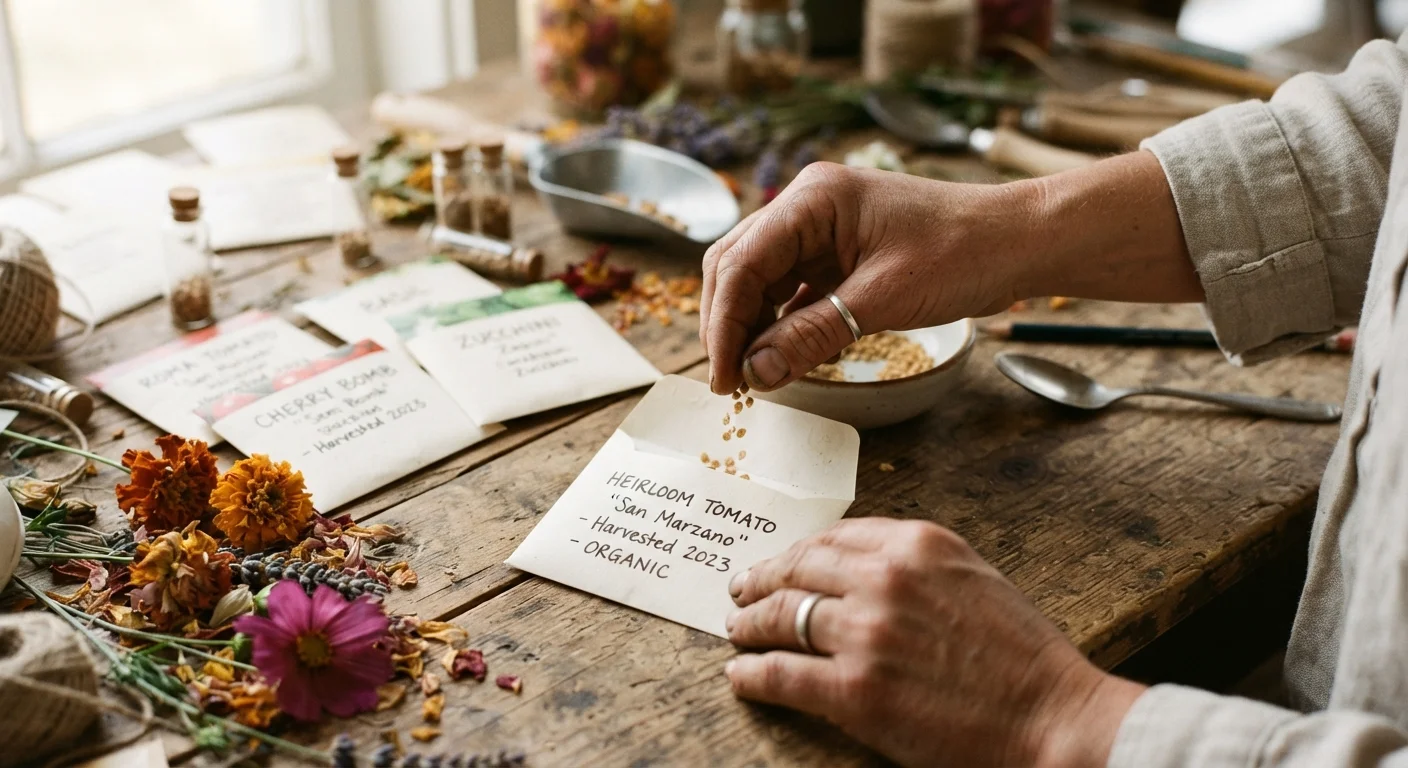
If you want to reduce your reliance on both sources over time, seed saving is worth learning. Collecting seeds from open-pollinated varieties at the end of each season means paying for those seeds only once. And if your garden is producing more than you can use, plant swaps and local seedling exchanges can supplement your stock for free. Understanding the longer-term value of perennials versus annuals also shapes how much you'll spend on seeds and plants each year - perennials bought once from either source keep returning without annual repurchase.