
The Real Cost Difference Between Perennials and Annuals
The sticker price tells only part of the story. A flat of annual bedding plants might run $10-$20 and look great immediately - but you'll buy it again next spring. A perennial, which dies back in winter and regrows from its root system each season, typically costs $8-$15 per plant but doesn't need replacing. Over three to five years, that math shifts significantly in the perennial's favor.
Annuals complete their entire life cycle - germination, flowering, seed production, death - in a single growing season. That biological urgency is why they bloom so heavily and reliably. Perennials, by contrast, spend their first year establishing roots, often producing modest flowers. By year two and three, they fill out and bloom consistently.
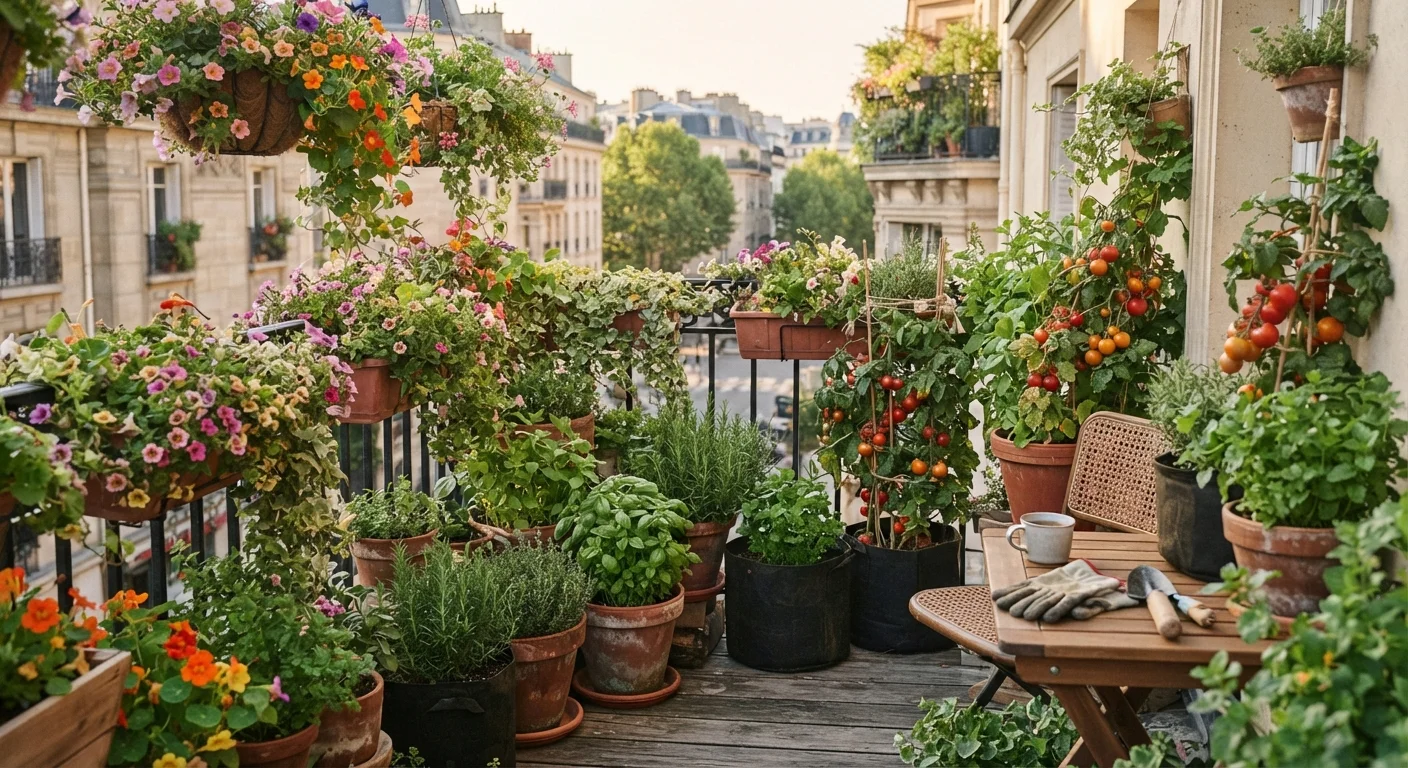
For budget-conscious gardeners, the key question isn't which is cheaper to buy - it's which delivers more value per dollar over the time you'll actually spend in this garden. That answer differs for a renter versus a homeowner, and for someone gardening in containers versus an in-ground bed. See our honest look at container gardening costs for how plant type affects container budgets specifically.
Where Perennials Win (and Where They Don't)
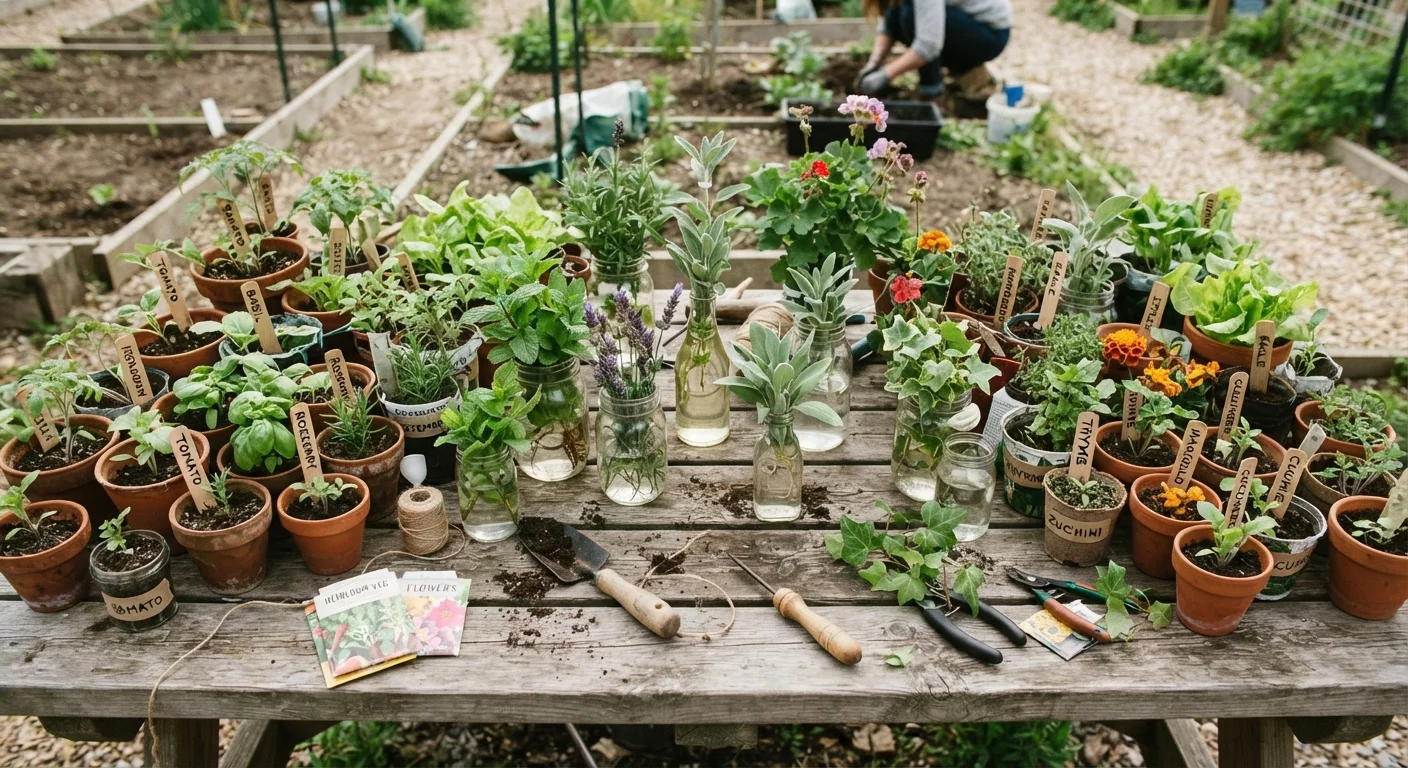
Perennials shine in established beds where you control the soil and plan to stay. Their ability to spread and be divided is a genuine financial advantage: a single clump of daylilies or coneflowers can be split into four or five new plants every three to four years, effectively multiplying your garden stock for free. This is exactly the kind of surplus that fuels plant swap networks - learn how to tap into those through plant swaps and cuttings.
The downsides are real, though. Perennials have a narrower bloom window - often two to six weeks - compared to annuals that flower all season. Many go dormant and look bare in early spring or late fall. They also require more patience; if you want a lush bed this weekend, perennials planted today won't deliver that.
Divide Perennials to Multiply Value
Most clumping perennials - hostas, daylilies, coneflowers - benefit from being divided every three to four years. Dig up the root clump in early spring or fall, split it into sections with a spade or garden fork, and replant or share the extras. This keeps plants healthy and gives you free stock to fill new beds or swap with neighbors.
Perennials can also be harder to justify if you rent or move frequently. You're investing in something you may have to leave behind.
Where Annuals Win (and Where They Fall Short)
Annuals earn their place through flexibility and instant impact. They bloom from planting until frost, require no waiting period, and let you completely rethink your color scheme each season without any sunk cost. For renters, patio gardeners, or anyone experimenting with a new space, annuals are a low-risk way to learn what works.
From seed, many annuals cost almost nothing - a $3 seed packet of zinnias, marigolds, or cosmos can produce dozens of plants. That per-plant cost is hard to beat. However, buying starts (young plants in trays) from a garden center erases much of that savings. Growing from seed requires time, some equipment, and a willingness to lose plants to weather or pests.
The annual's real weakness is cumulative cost. If you spend $40 on bedding plants each spring, that's $200 over five years for the same display a $50 perennial investment might sustain indefinitely. Avoiding this trap is part of common budget gardening pitfalls that catch new gardeners off guard.
| Perennials | Annuals | |
|---|---|---|
| Upfront cost per plant | Higher ($8-$15+ per plant) | Lower ($1-$4 per plant or less from seed) |
| Long-term cost over 5 years | Lower (no annual repurchase) | Higher (repurchased each season) |
| Bloom duration | 2-6 weeks per season | All season until frost |
| Time to establish | 1-2 seasons to peak performance | Flowers same season planted |
| Good for renters | Less ideal (investment left behind) | Well suited (low commitment) |
| Can multiply free plants | Yes, via division or cuttings | Via seed saving; not guaranteed |
| Flexibility to change design | Low (established plants are fixed) | High (new plan every year) |
How to Balance Both for the Most Garden Value
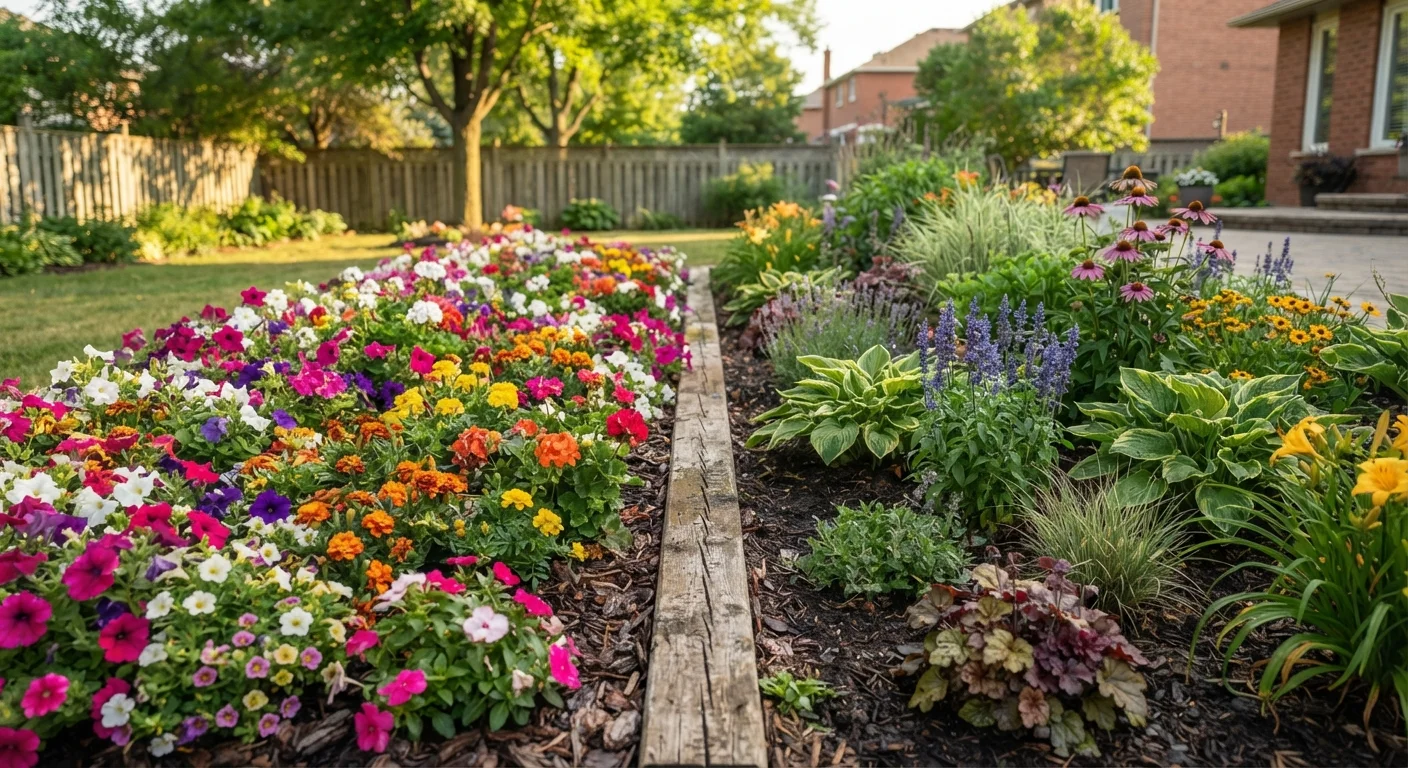
The most cost-effective gardens use perennials as the structural backbone and annuals to fill gaps and extend season-long color. Plant perennials in the back or center of beds where they'll anchor the space year after year. Use annuals at the front edges or in containers where their continuous bloom is most visible and appreciated.
When choosing perennials, prioritize species known to spread or divide readily in your climate - coneflowers, black-eyed Susans, hostas, and ornamental grasses are widely adaptable across US growing zones. These give you the most division potential and free plants over time. Where you source plants also affects your total spend significantly; comparing garden centers to online seed suppliers can reveal meaningful savings on the same species.
Finally, consider your garden setup. Raised beds and in-ground planting affect how well perennials establish - a topic covered in detail in our raised beds vs. in-ground cost breakdown. Understanding the difference between value and price is ultimately what separates a garden that drains your wallet from one that rewards it.