
Check Your Lease Before Touching Anything
Your lease is a legal contract, and it governs what you can and cannot do to the property. Before picking up a screwdriver, locate the maintenance and alterations clauses - typically labeled something like "Tenant Repairs," "Alterations," or "Property Modifications."
Some leases prohibit any tenant-initiated repairs. Others allow minor maintenance but require written landlord approval for anything structural or cosmetic. A few explicitly list what you're responsible for, such as replacing air filters or keeping drains clear.
If your lease is vague, that ambiguity works against you at move-out. A quick email to your landlord asking for clarification - before a repair, not after - creates a record that shows good faith. This matters if a deposit dispute ever arises.
Habitable condition
A legal standard requiring rental properties to be safe and livable - including functioning heat, plumbing, and structural integrity. Landlords are generally required to maintain this standard.
Security deposit
Money paid upfront by a renter that a landlord can use to cover unpaid rent or damage beyond normal wear and tear. Unauthorized repairs that cause damage can reduce how much you get back.
Normal wear and tear
The expected, gradual deterioration of a rental unit through ordinary use - such as small scuffs or carpet flattening. Landlords generally cannot charge tenants for this type of deterioration.
Alterations clause
A lease provision specifying what changes or modifications a tenant is permitted or prohibited from making to the property, from painting walls to installing shelves.
Written notice
A formal, documented communication (such as email or a letter) sent to a landlord about a maintenance issue or repair request. Written notice creates a timestamped record that protects both parties.
What Repairs Are Generally Renter-Safe?
Many low-risk maintenance tasks fall squarely within what most leases and landlords expect tenants to handle. These typically include:
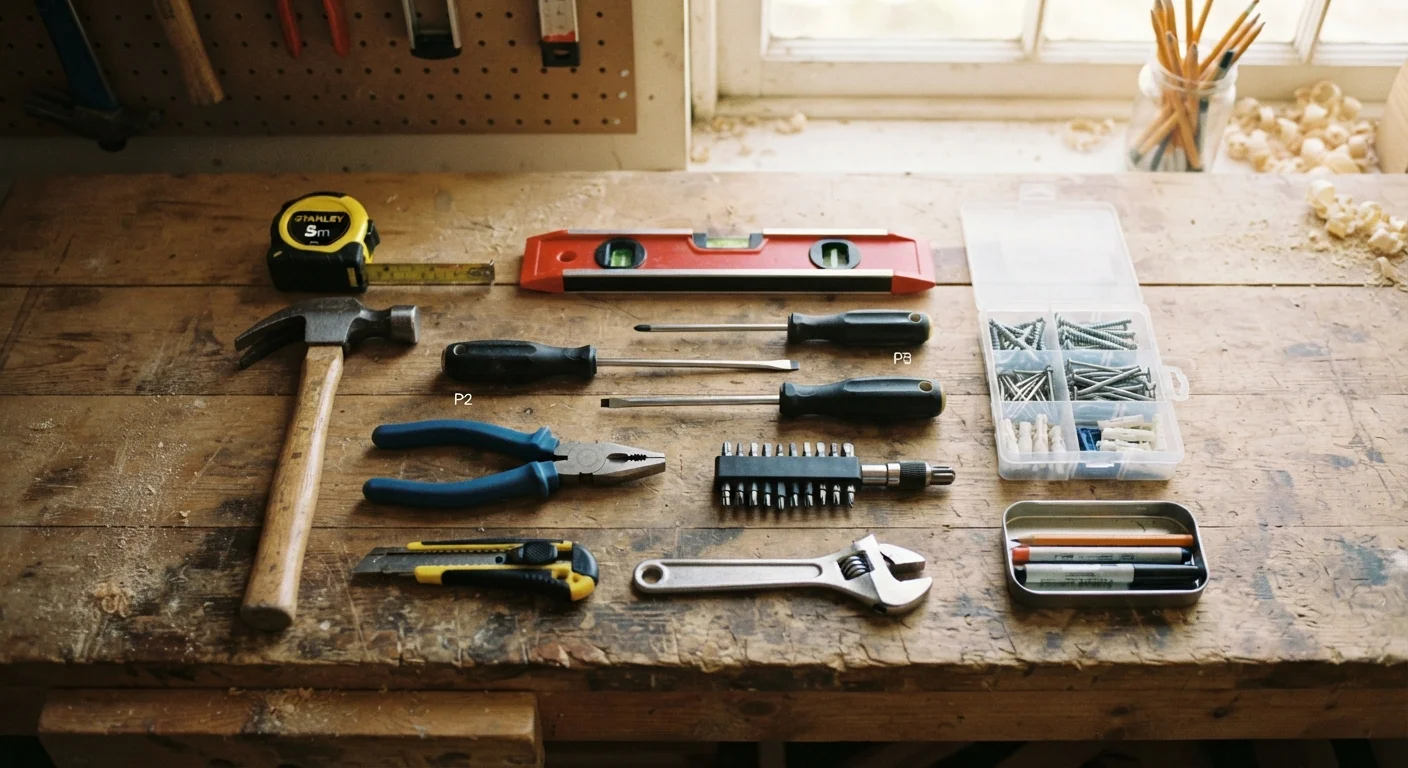
- Replacing light bulbs and smoke detector batteries - standard tenant upkeep in nearly every lease.
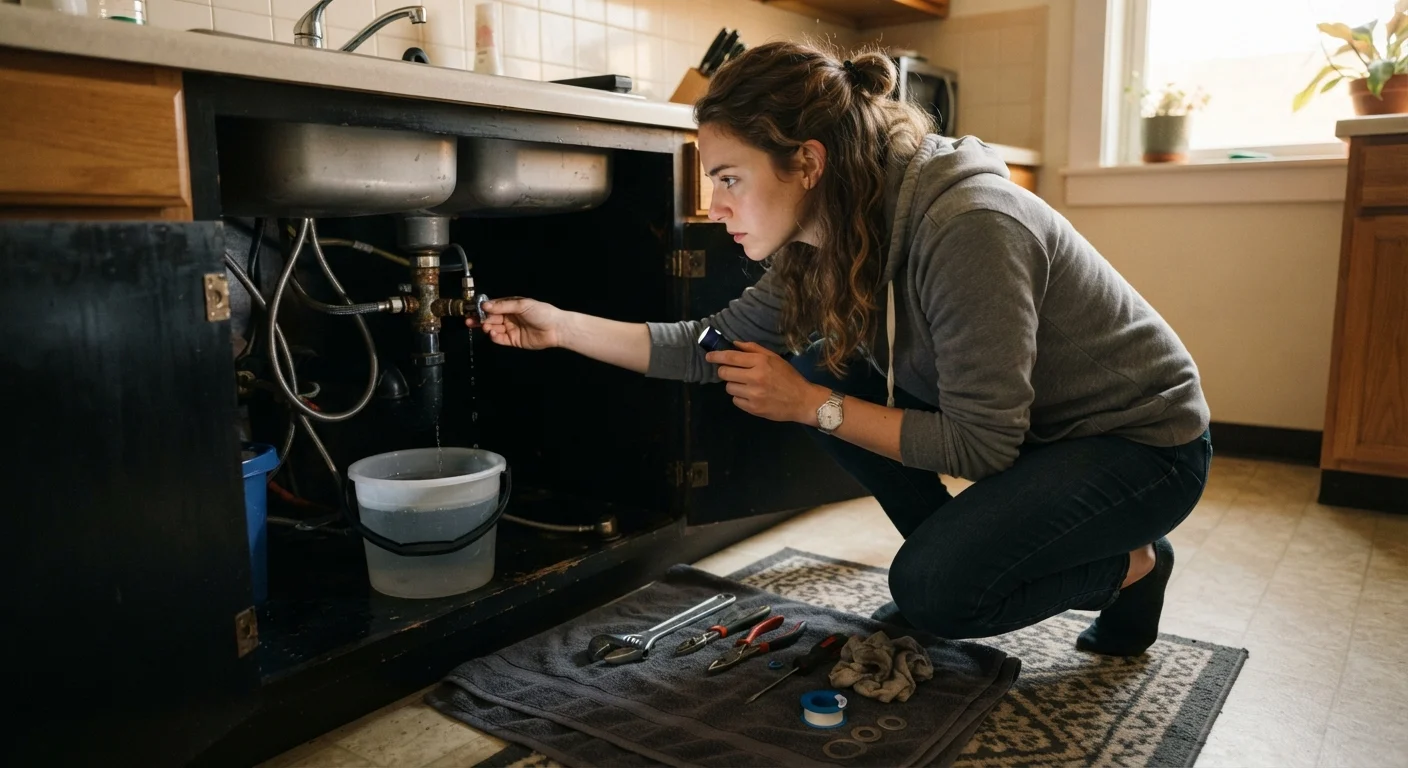
- Unclogging drains using a plunger or manual drain snake (skip caustic chemical cleaners, which can damage older pipes).
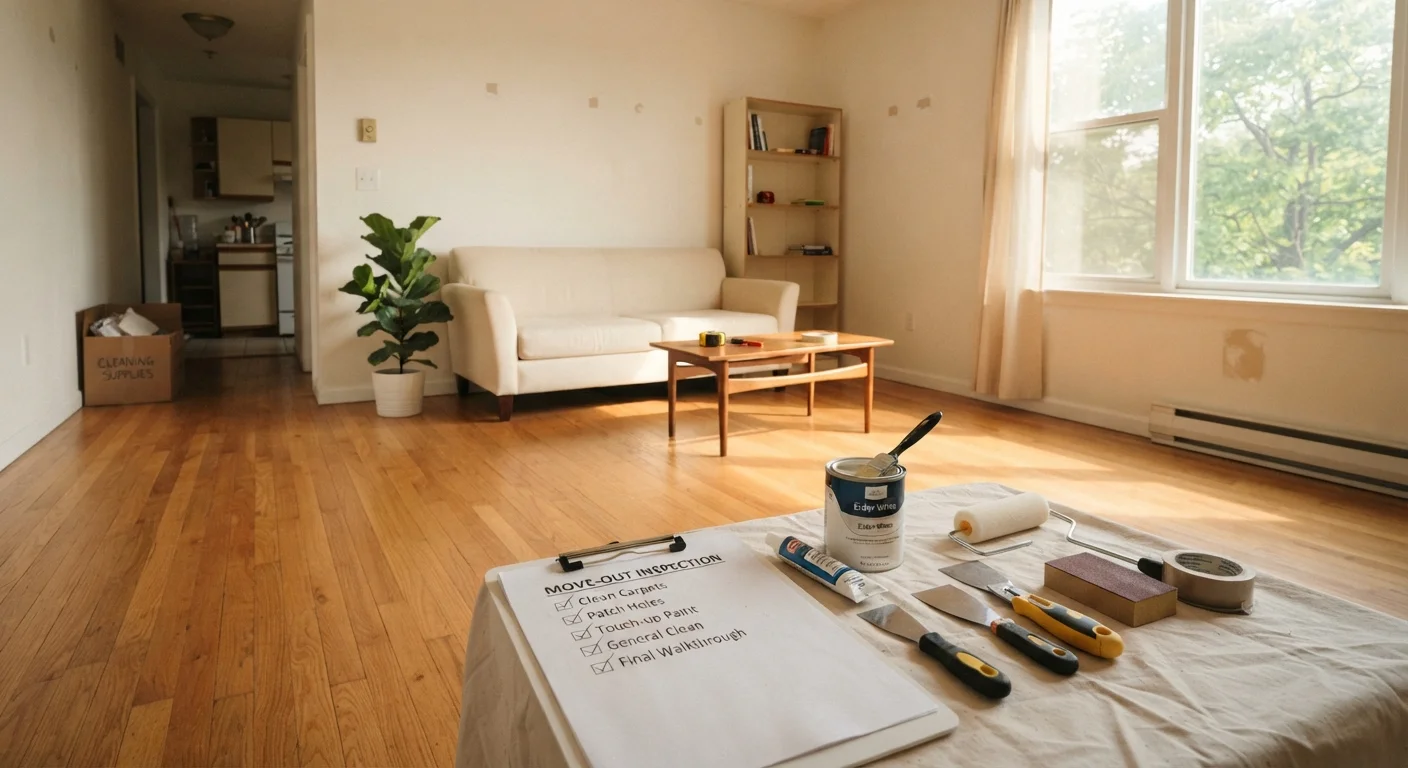
- Patching small nail holes with spackling compound and a putty knife - particularly useful if you're preparing to move out.
- Tightening loose cabinet hinges or door handles with a basic screwdriver.
- Replacing a showerhead or faucet aerator - these require no pipe cutting and are reversible, making them low-risk swaps.
The key test: is the repair reversible, cosmetic, and within your demonstrable skill level? If yes, it's likely safe to proceed - after confirming with your lease. For a practical look at which tools make these tasks easier, see our DIY repair toolkit guide.
The Reversibility Test
Before starting any repair, ask: can I restore this to exactly how it was? If yes, the risk is usually low. If a repair involves cutting, drilling into walls, or anything permanent, it almost always warrants landlord approval in writing first.
When to Notify Your Landlord First
Even when you could handle a repair yourself, some situations legally or practically require landlord notification. These include:
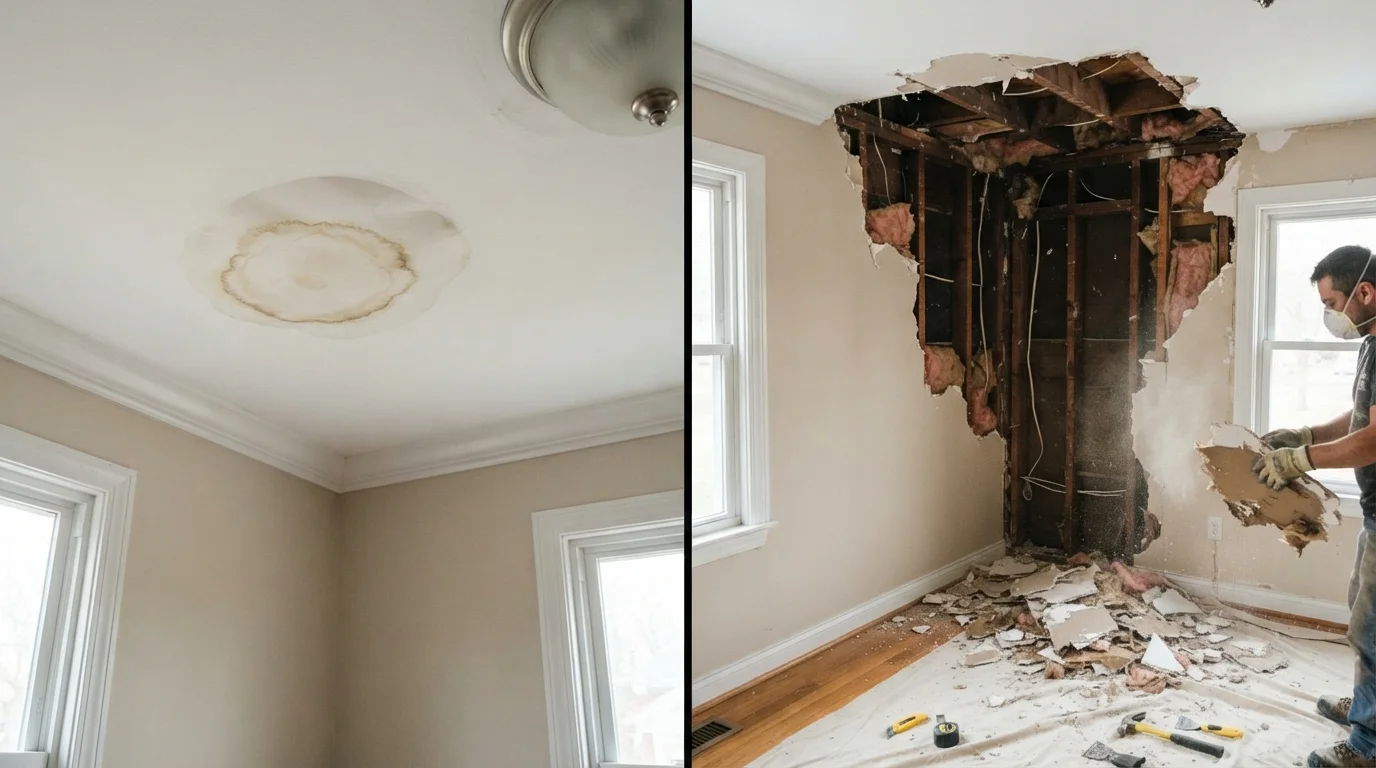
- Any issue affecting habitability - no heat, water leaks, mold, or pest infestations.
- Appliances the landlord owns and maintains under your lease.
- Damage caused by a third party, such as a neighbor's leak affecting your unit.
- Anything you'd need to deduct from rent to get fixed (rules vary sharply by state - verify local tenant law before attempting this).
When you report an issue in writing, you start a timeline. If your landlord fails to respond within the legally required period, you may have additional remedies available - but only if you have documentation. Verbal conversations leave no trace.
Curious about how neglecting repairs escalates costs? Our article on repairs homeowners delay too long illustrates how small problems compound - a dynamic that applies equally in rentals.
Protecting Yourself: Documentation and Communication
Documentation is a renter's single most effective tool. Follow these habits from day one of your tenancy:
- Do a move-in walkthrough with your landlord and photograph every room before unpacking. Note existing damage on the move-in checklist and keep a signed copy.
- Communicate in writing. Email or a property management portal creates a timestamped record. Texts can work, but email is easier to organize and export.
- Keep receipts for any materials you purchase for approved repairs. If your landlord agreed you could handle something, document what you spent.
- Photograph completed repairs - both before and after - so there's no ambiguity about the state you left things in.
When it's time to move out, this paper trail is invaluable. Our end-of-lease repair checklist walks through exactly what to address before handing back your keys.
Don't Skip the Move-In Inspection
Failing to document pre-existing damage is one of the most common - and costly - renter mistakes. Without a move-in record, proving you didn't cause a stain or crack becomes nearly impossible. Even if your landlord doesn't offer a formal walkthrough, do your own and send the photos by email so there's a dated record your landlord has received.
Know When to Stop and Call a Professional
Some repairs should never be DIY projects for renters - or for most people without licensed training. These include anything involving:
- Electrical wiring - beyond swapping a light bulb or resetting a tripped breaker, electrical work requires a licensed electrician and typically a permit.
- Gas lines or gas appliances - always a licensed professional, no exceptions.
- Structural elements - walls, load-bearing supports, and foundation issues.
- Significant plumbing - anything beyond the supply line to a fixture, including pipe repairs or toilet flange work.
Attempting these repairs without proper qualifications creates safety hazards and almost certainly violates your lease. It can also void your renter's insurance coverage for related damage.
Honest self-assessment is part of the job. Our guide on when DIY saves money versus when it creates a bigger bill helps you draw that line clearly before you start. And if you want to build your skills from the ground up, our beginner's starting point for DIY repairs is a logical next step.