
Why a Room-by-Room Audit Actually Works
Most households leak energy in small, overlooked ways - a drafty window here, a fridge seal there, a thermostat nobody has reconfigured since move-in. None of these is dramatic on its own, but together they quietly inflate your utility bills month after month. A structured room-by-room audit forces you to look at your home systematically rather than guessing at the problem.
This checklist works for renters and homeowners alike. Renters often assume they can't do anything about energy costs, but the truth is that most of the highest-impact changes - plugging phantom loads, adjusting thermostat habits, checking weatherstripping - require no structural modifications whatsoever. Homeowners have more options, but the audit process is the same: observe, document, then act in order of impact.
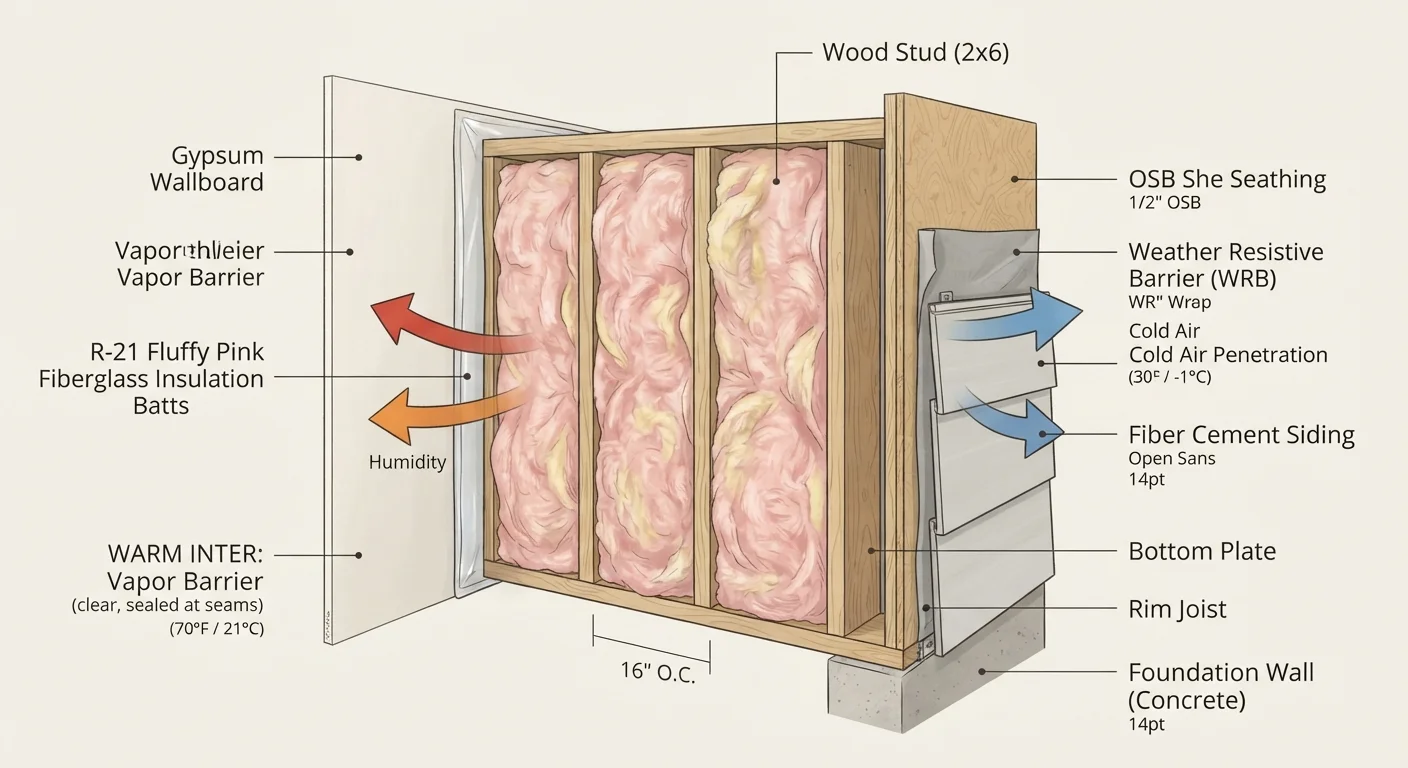
Once you've identified your home's weak spots, pair this audit with a year-round seasonal energy approach to keep savings compounding through every season. And if insulation keeps coming up as a recurring issue, understanding insulation basics can help you prioritize the highest-return upgrade available.
Candle or incense stick
Detects drafts around windows, doors, and baseboards by showing flame or smoke movement in air currents.
Notepad or note-taking app
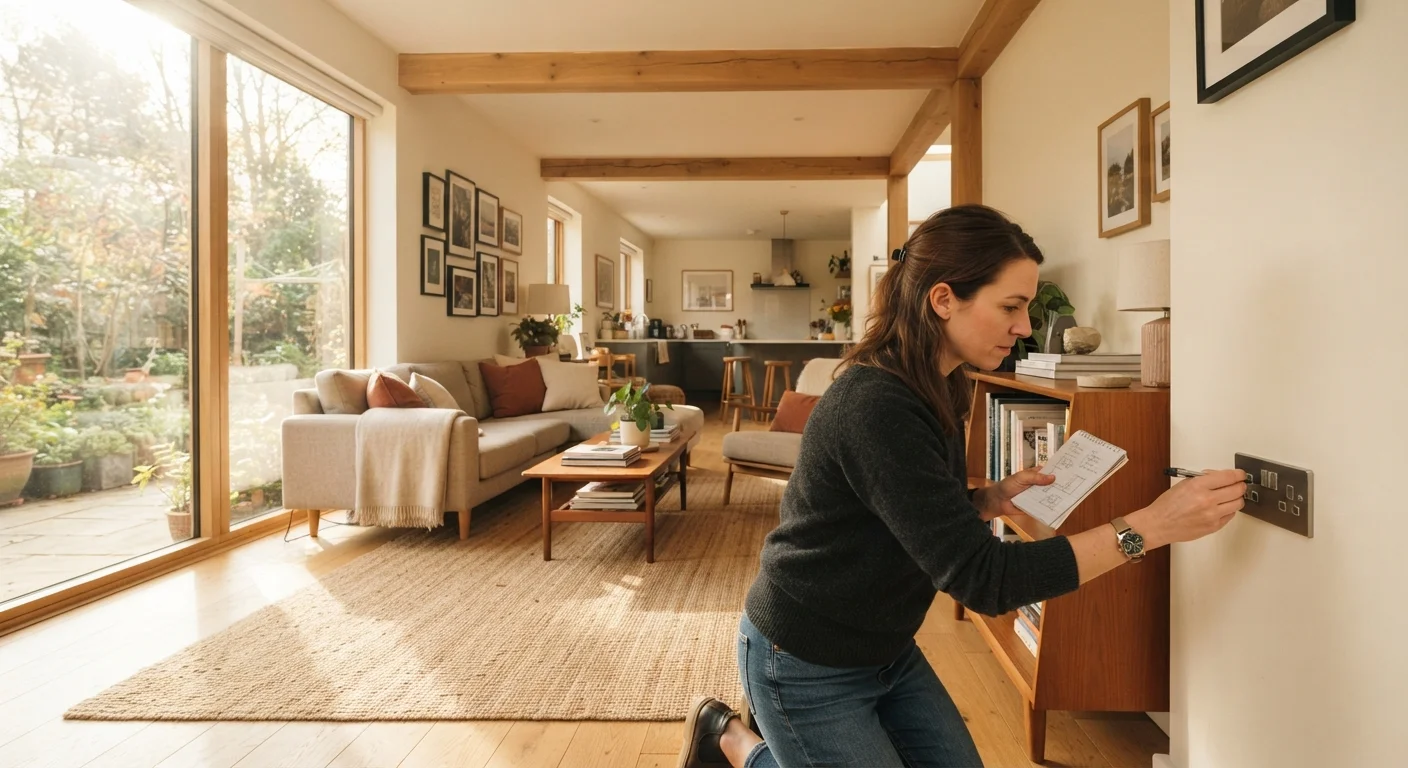
Records findings room by room so you can prioritise repairs and track progress over time.
Flashlight
Helps inspect dark utility spaces, behind appliances, and inside cabinets for gaps or damage.
One-gallon bucket and timer
Used to measure showerhead flow rate as part of the bathroom water efficiency check.
Plug-in energy monitor (kill-a-watt style meter)
Measures the actual electricity draw of individual appliances and devices to identify hidden energy consumers.
Weatherstripping and foam sealant
Inexpensive materials to seal draft sources found during the audit - available at most hardware stores.
How to Use This Checklist
Set aside 45 to 90 minutes and walk through your home with your tools in hand. Work room by room using the checklist below, and note every finding - even minor ones. Small issues compound: a draft under a door, a loose outlet cover on an exterior wall, and a refrigerator running warm can each seem trivial alone but represent real energy loss when added together.
After completing the audit, categorize your findings into three buckets: fix today (no-cost behavioral changes and easy DIY), fix this month (low-cost materials like weatherstripping or LED bulbs), and flag for a professional (anything involving HVAC, electrical, gas, or structural systems). This prevents overwhelm and ensures you tackle the highest-value changes first.
Phantom Load Is a Real Cost
Devices in standby mode - TVs, gaming consoles, chargers, smart speakers - draw power continuously even when you think they're off. According to the U.S. Department of Energy, standby power can account for 5-10% of residential electricity use. Plugging these devices into a power strip you switch off when not in use is one of the simplest, zero-cost fixes you can make immediately after your audit.
For a broader look at reducing recurring household costs, the guide to cutting utility bills without lifestyle disruption offers evidence-based steps that pair directly with what this audit uncovers. Renters completing this before a move should also review the end-of-lease repair checklist to avoid deposit deductions.
Room-by-Room Energy Audit Checklist
Work through each section of your home using the grouped checklist below. Use your candle or incense stick in every room with exterior walls or windows, and record every finding before moving to the next space.
Before You Start
Living Room & Common Areas
Kitchen
Bathrooms
Bedrooms
Utility Areas, Garage & Exterior
Lighting & Whole-Home Systems
Renters: Check Before You Fix
Some repairs - including caulking, weatherstripping, and filter replacement - are generally fine for renters to address themselves. However, anything involving electrical systems, HVAC units, plumbing connections, or structural changes should be reported to your landlord or property manager in writing. Undertaking unpermitted or major repairs without authorization could affect your lease or deposit. Keep a record of all issues you report.
Leave Hazardous Work to Licensed Professionals
Any audit findings related to electrical wiring, gas lines, HVAC systems, or structural insulation must be assessed and corrected by a licensed contractor. Do not attempt to service, modify, or repair these systems yourself. Many jurisdictions also require permits for certain home improvements - check with your local building authority before starting any significant work.
When you're done, total up your findings and compare your home's energy habits against your recent utility bills. If your bills spike in summer or winter specifically, focus remediation on the heating and cooling items first - they tend to deliver the greatest return. For a complementary lens on household spending, consider running a monthly budget audit alongside this energy review to see the full picture of where your money goes at home.