
How Each Cooling Strategy Actually Works
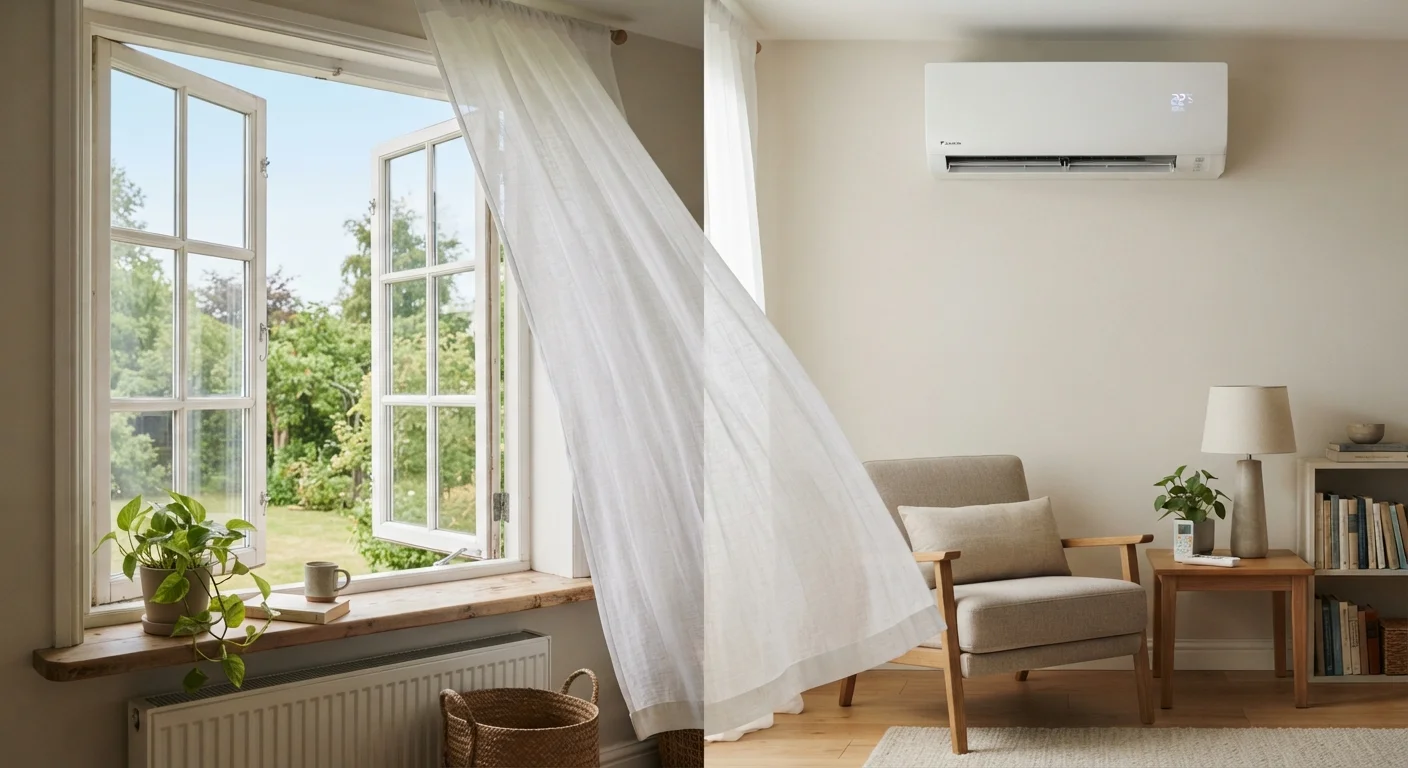
Natural ventilation relies on airflow created by temperature and pressure differences between indoors and outdoors. When cooler outdoor air is available - typically in the evenings, nights, or early mornings - opening windows on opposite sides of a room creates cross-ventilation that flushes warm air out and draws cooler air in. Stack ventilation takes this further: warm air rises and exits through upper-floor or attic openings, pulling in cooler air from lower levels.
Air conditioning, by contrast, uses a refrigerant cycle to actively extract heat from indoor air and expel it outside, regardless of outdoor conditions. This mechanical process requires electricity - making it reliable but costly. Central systems cool an entire home at once, while window or portable units cool individual rooms.
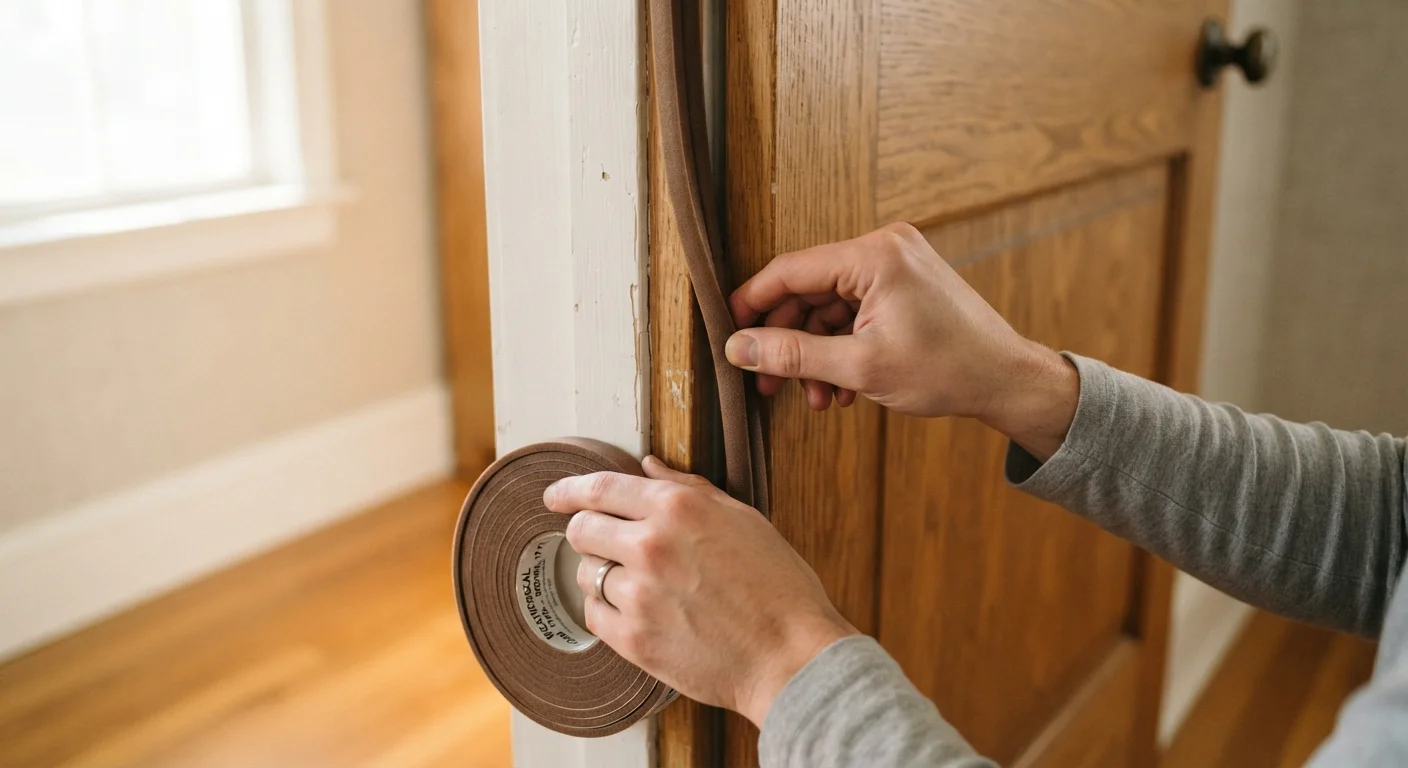
Understanding these mechanics helps you anticipate when each method will perform well - and when it won't. Natural ventilation fails when outdoor air is already hot or humid. AC loses efficiency when the home envelope leaks, allowing cooled air to escape. For a deeper look at preventing that energy bleed, see our guide on sealing air leaks around doors and windows.
Comparing the Two Approaches Side by Side
The table below breaks down the core trade-offs so you can quickly assess which approach suits your situation.
| Natural Ventilation | Air Conditioning | |
|---|---|---|
| Operating cost | Near zero (fans use minimal electricity) | Moderate to high (varies by system and usage) |
| Upfront equipment cost | Very low (windows already present) | Moderate to high (installation required) |
| Effectiveness in high humidity | Poor - introduces moisture indoors | Good - dehumidifies while cooling |
| Effectiveness in extreme heat | Poor - no cooling when outdoors is hotter | Reliable - works regardless of outdoor temp |
| Air quality control | None - outdoor pollutants can enter | Good - filtered and sealed system |
| Environmental impact | Minimal energy use | Higher energy use; refrigerant considerations |
| Maintenance required | Minimal | Regular filter changes, annual servicing |
One factor the table can't fully capture is humidity. In high-humidity regions like the Southeast, even 80°F outdoor air can feel suffocating indoors, making natural ventilation uncomfortable or counterproductive. Air conditioning dehumidifies while it cools - a meaningful benefit beyond just temperature.
When Natural Ventilation Is the Smarter Choice
Natural ventilation earns its place when outdoor nighttime temperatures reliably drop below 72-75°F (roughly 22-24°C) - a common pattern in the Pacific Northwest, Mountain West, and parts of the Midwest and Northeast during summer. In these conditions, a simple evening-to-morning window routine can maintain comfortable indoor temps without a single dollar spent on electricity.
To get the most out of natural ventilation:
- Open windows in the evening once outdoor air cools below indoor temperature, and close them in the morning before outdoor temps climb.
- Use ceiling fans to extend the effectiveness of natural airflow - they create a wind-chill effect and cost a fraction of AC operation.
- Prioritize cross-ventilation by opening windows on opposite sides of a room or home rather than adjacent ones.
- Block daytime solar gain with blinds, curtains, or exterior shading so your home stays cooler before you open it up at night.
The Night-Purge Technique
If your home absorbs heat during the day, run ceiling or box fans at night with windows open to actively push warm air out - a method sometimes called 'night purging.' Close everything in the morning before outdoor temps climb. This technique can lower indoor temperatures by several degrees overnight, reducing or eliminating the need for AC the following day.
The limiting factor is always outdoor air quality and safety. On days with poor air quality (wildfire smoke, high pollen, or excessive humidity), keeping windows closed protects your health even if temperatures are mild.
When Air Conditioning Is Worth the Cost
There are circumstances where AC stops being a luxury and becomes a practical necessity. Extended heat waves where nighttime temperatures remain above 75°F provide no meaningful recovery window for natural ventilation. High humidity compounds this - when the dew point climbs above 65°F, moisture-laden air entering your home creates discomfort and potential mold risk.
Vulnerable household members - including older adults, infants, and people with certain health conditions - may also be at greater risk during extreme heat. In those situations, maintaining a cooled indoor environment has clear health implications beyond comfort. If anyone in your home falls into a higher-risk category, consult a healthcare professional about appropriate temperature ranges.
To keep AC costs in check when you do run it:
- Set your thermostat to the highest temperature that remains comfortable - each degree lower adds roughly 3% to cooling costs.
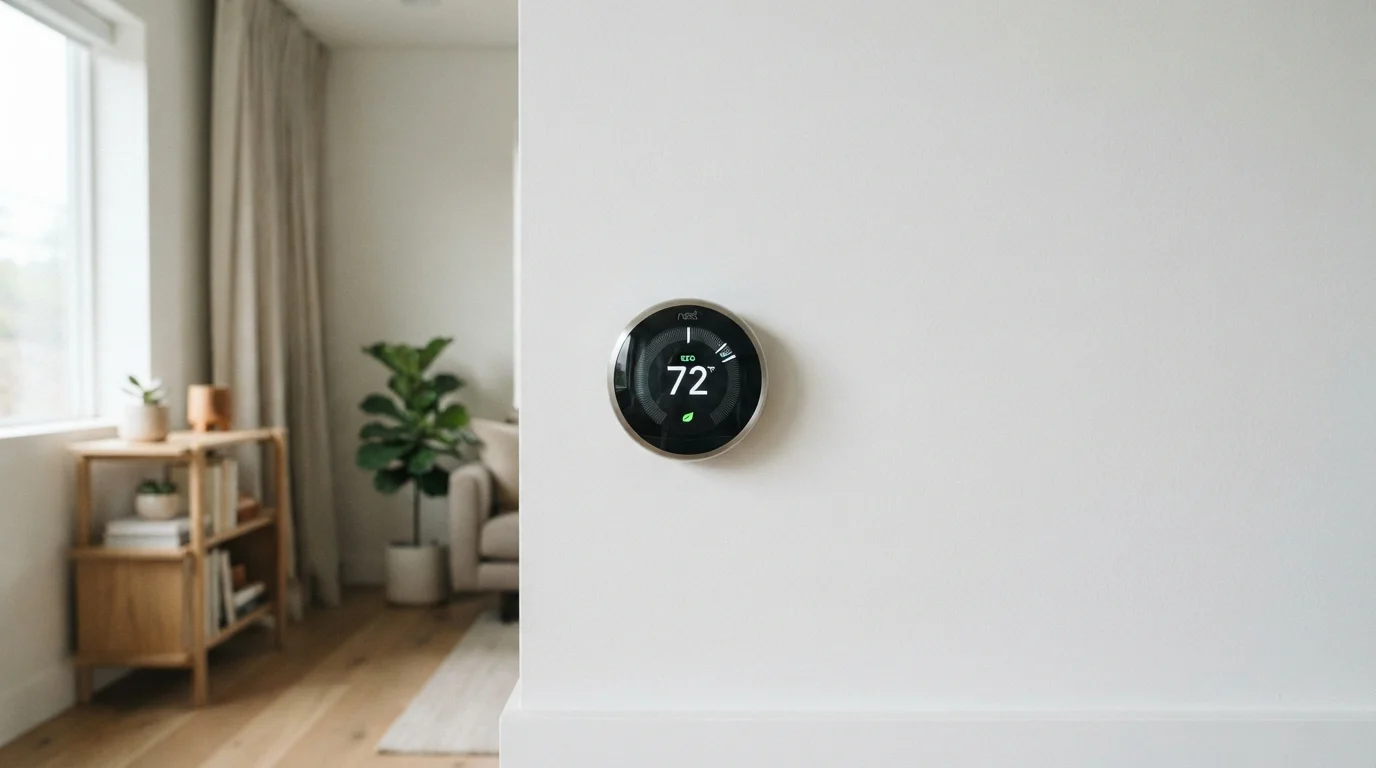
- Use programmable or smart thermostat settings to avoid cooling an empty home. Our article on thermostat settings that actually make a difference covers this in detail.
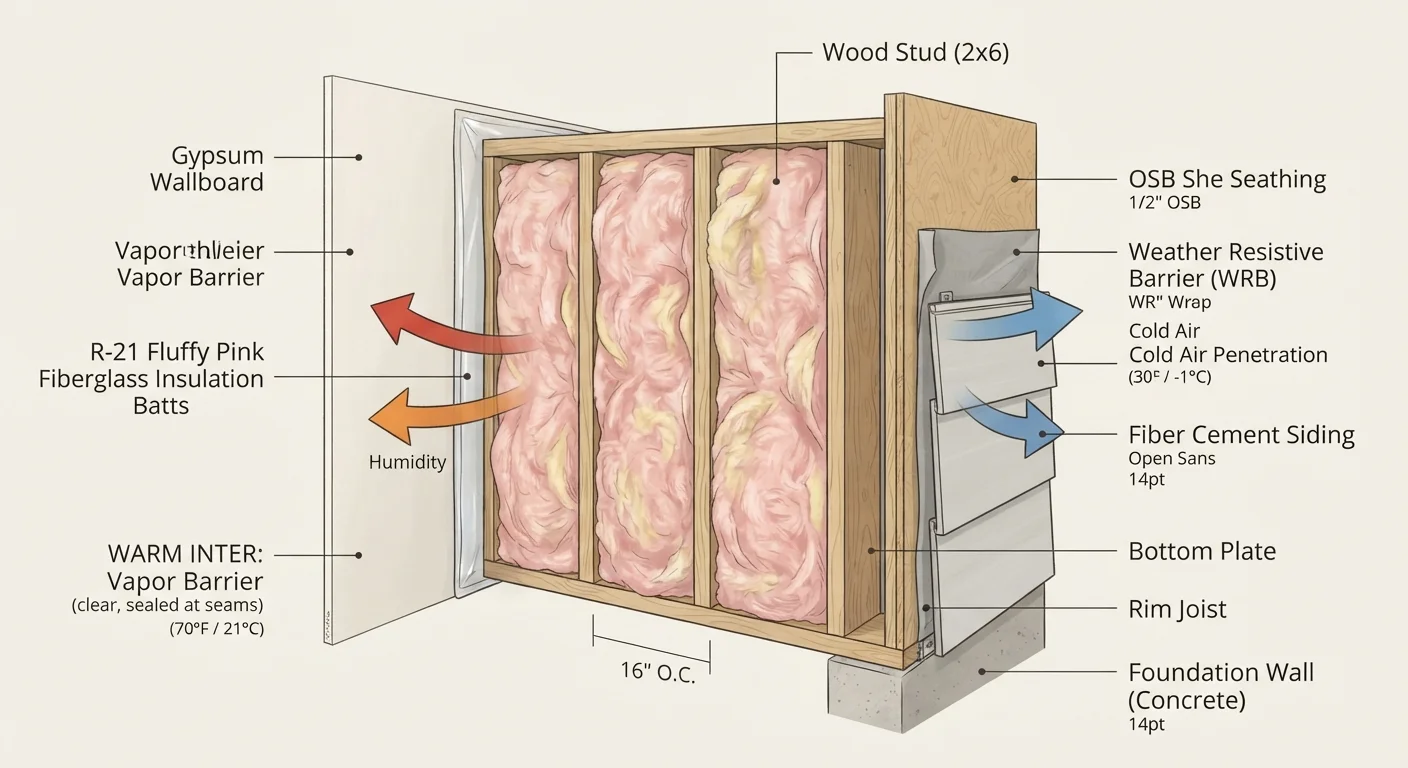
- Ensure your home is well-insulated to hold conditioned air longer. See why insulation is the most overlooked energy upgrade for guidance.
Building a Hybrid Strategy That Saves Real Money
For most US households, neither pure natural ventilation nor full-time AC is the optimal answer. A hybrid strategy - ventilating aggressively during cooler hours and running AC selectively during peak heat - typically delivers the best balance of comfort and cost.
Track your local forecast to plan ahead: if overnight lows will drop below indoor temperature, skip the AC that night entirely and open windows. If the next day predicts a high above 90°F, pre-cool your home in the early morning with open windows before the heat builds, then close everything and use AC minimally through the afternoon peak.
Don't overlook the foundation both strategies rest on: a tight, well-insulated home. Gaps around windows and doors let conditioned air escape whether it came from nature or machinery. Addressing those leaks makes every cooling dollar go further - and that applies to any misconceptions you might have about energy use, which we address in home energy myths that keep your bills high.