

Why Energy Myths Are So Persistent
Energy bills are one of the most consistent household expenses - and one of the most misunderstood. Many of us learned habits from parents, landlords, or well-meaning friends that made intuitive sense at the time but were never quite right. Others are half-truths that applied to older technology and haven't kept up with modern HVAC systems, appliances, or building science.
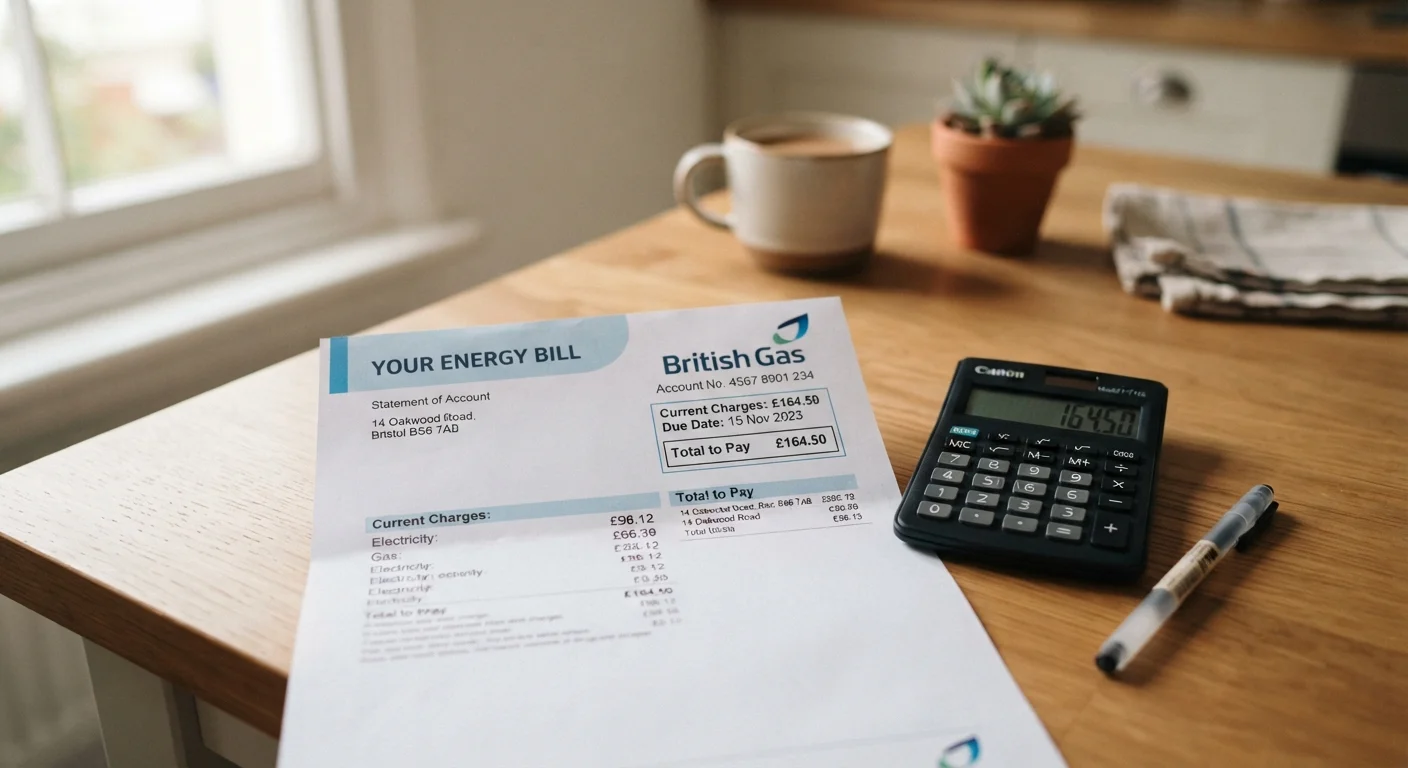
The cost of these myths adds up. The U.S. Energy Information Administration consistently finds that heating and cooling account for the largest share of residential energy use, which means small behavioral misunderstandings in this area carry real dollar consequences. For a fuller picture of how your bill breaks down, see Your Home Energy Bill, Explained.
Below, we correct the most common misconceptions so you can stop spending on habits that aren't helping.
Myth
Leaving the ceiling fan on cools the room, so it's worth running all day even when no one is home.
Fact
Ceiling fans cool people by creating a wind-chill effect - they do not lower room temperature. Running one in an empty room wastes electricity with no benefit.
A ceiling fan moves air across your skin, which helps sweat evaporate faster and makes you feel cooler - often by several degrees of perceived temperature. But the moment you leave the room, there's no one to benefit. The motor still draws power (typically 15-75 watts depending on size and speed), and the room temperature itself doesn't change at all. The habit of leaving fans running in empty rooms is one of the easiest and most common sources of avoidable electricity use. Turn the fan off when you leave; turn it back on when you return.
Myth
Closing vents in unused rooms forces more heated or cooled air to the rooms you actually use, saving energy.
Fact
Most forced-air HVAC systems are designed for a specific pressure balance. Closing vents disrupts that balance, can stress the system, and may actually increase energy use.
It feels logical: block the rooms you don't need, and more air goes where you want it. In practice, most residential ductwork isn't built to handle the pressure that builds up when vents are closed. That excess pressure can cause ducts to leak more into unconditioned spaces like attics and crawlspaces, force the blower motor to work harder, and in some cases reduce the lifespan of the system. Some older systems may even allow the heat exchanger to overheat when airflow is restricted. If certain rooms consistently feel uncomfortable, the more effective fix is a professional evaluation of duct balance or insulation - not closed vents.
Myth
Setting the thermostat to an extreme temperature makes your home heat or cool faster.
Fact
HVAC systems run at the same rate regardless of how large the temperature gap is. Setting an extreme target just means the system runs longer, not faster.
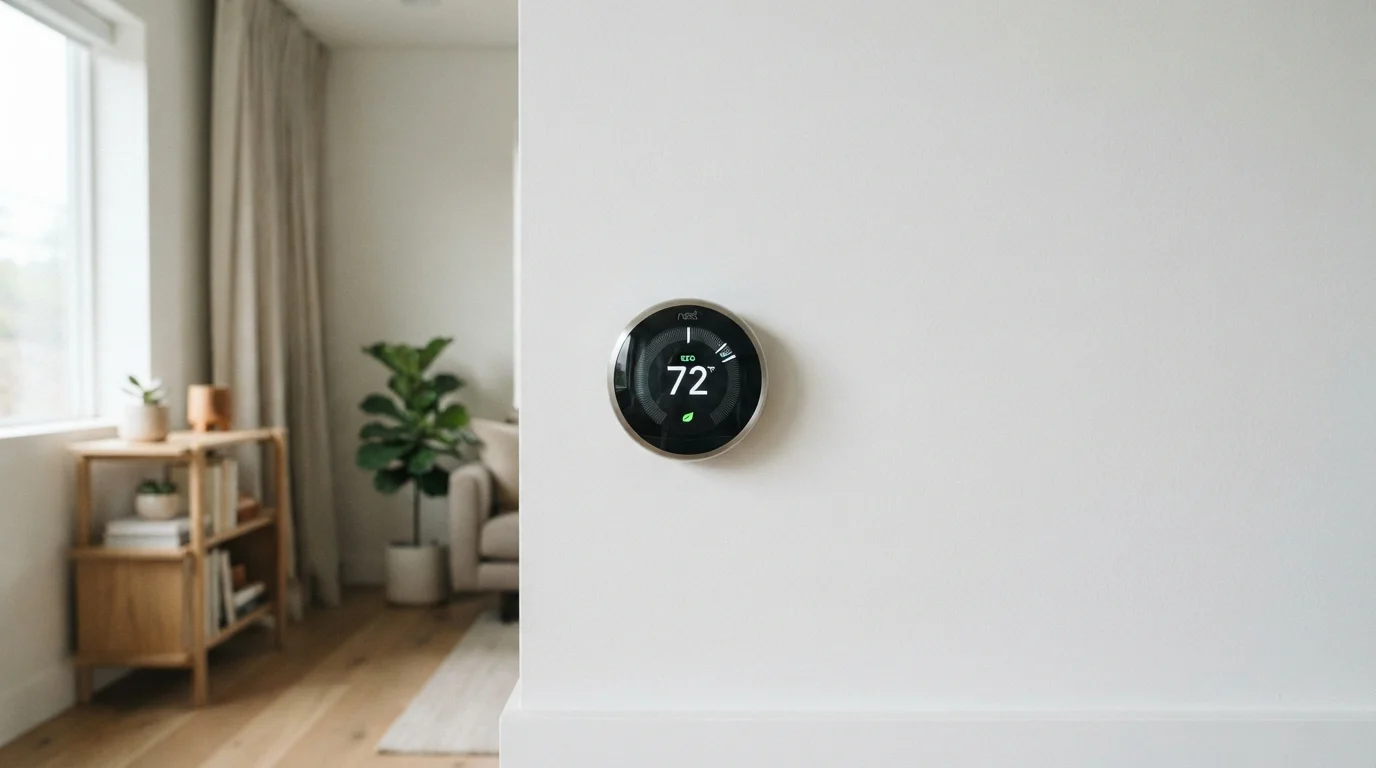
Your furnace or air conditioner delivers conditioned air at a fixed output - cranking the thermostat to 85°F when it's cold outside doesn't produce hotter air than setting it to 70°F. The system simply keeps running until it reaches whatever target you've set. Setting an extreme temperature when you're in a hurry typically means you'll overshoot your comfort zone, then have to correct back down (or up) - wasting energy in both directions. Set your target temperature and let the system do its job. For more on effective thermostat use, see Thermostat Settings That Actually Make a Difference.
Myth
Devices that are switched off don't use any electricity.
Fact
Many modern electronics draw standby power continuously - sometimes called a phantom load - even when they appear to be off.
Televisions, game consoles, microwaves with digital clocks, cable boxes, and phone chargers left plugged in can all draw a small but constant current. Individually, the amounts are modest - often 1-5 watts per device. But across an entire home with dozens of such devices, the cumulative draw can add a noticeable amount to your monthly bill. Power strips with physical switches, or unplugging chargers and entertainment systems when not in use, are straightforward ways to eliminate this drain. Our detailed article on Phantom Loads: The Silent Electricity Drain in Every Room covers which devices are the worst offenders.
Myth
You need to replace old appliances to significantly reduce your energy bill.
Fact
Behavioral changes and maintenance steps - like cleaning coils, using cold-water wash cycles, and air sealing - often deliver better near-term savings than appliance replacement.
New appliances can offer efficiency gains, but the purchase cost means the payback period is often measured in years. Before replacing anything, it's worth auditing how you use existing appliances. Washing laundry in cold water instead of hot, for instance, can significantly reduce the energy used per load since most of the energy goes into heating water. Running dishwashers and washing machines with full loads, cleaning refrigerator coils, and keeping your dryer lint trap clear all improve efficiency without any upfront cost. For a closer look at laundry specifically, see Laundry Habits That Quietly Inflate Your Energy Bill.
What Actually Moves the Needle on Your Bill
Correcting myths is only the first step. The practical payoff comes from redirecting your attention toward changes that have a documented impact.
~50%
Share of home energy used for heating and cooling
According to the U.S. Energy Information Administration, space heating and cooling typically account for roughly half of a household's total energy consumption.
$100-$200
Estimated annual savings from thermostat setbacks
The U.S. Department of Energy suggests that setting back your thermostat 7-10°F for 8 hours a day can save around 10% on heating and cooling costs annually.
5-10%
Typical share of electricity from standby phantom loads
The Lawrence Berkeley National Laboratory has estimated that standby power can account for roughly 5-10% of residential electricity use in a typical U.S. home.
Thermostat scheduling is consistently ranked among the highest-impact no-cost changes a household can make. Rather than leaving your system at one temperature all day, programming setbacks during sleeping hours or when the home is empty can make a meaningful difference. For practical guidance, see Thermostat Settings That Actually Make a Difference.
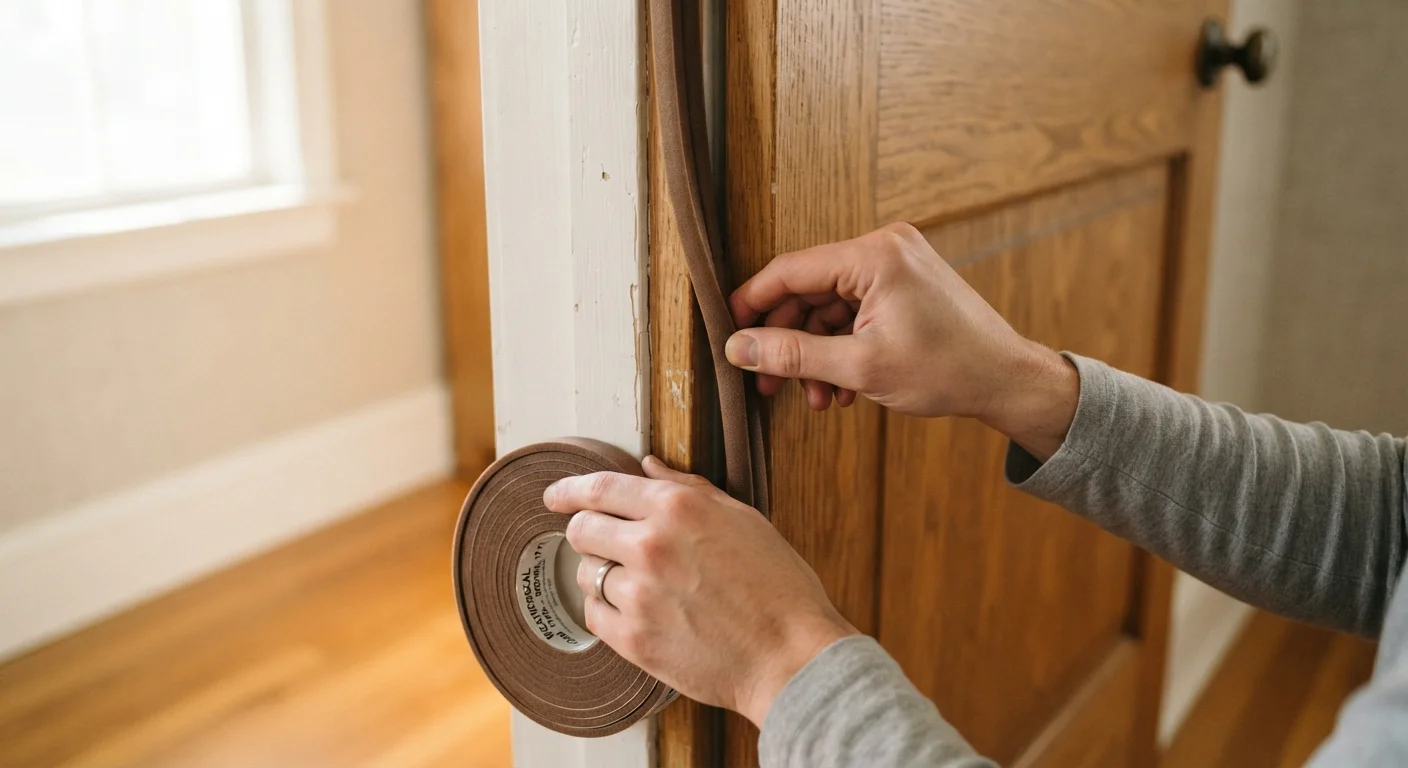
Air sealing is another high-return project many homeowners overlook. Gaps around doors, windows, and utility penetrations let conditioned air escape year-round. Our guide to Sealing Air Leaks Around Doors and Windows walks through how to find and fix the most common problem spots yourself.
Standby power - sometimes called phantom load - is the electricity devices draw even when you think they're off. Televisions, gaming consoles, phone chargers, and smart speakers are common culprits. Learn more in Phantom Loads: The Silent Electricity Drain in Every Room.
Insulation Is Often the Missing Piece
Behavioral changes make a real difference, but an under-insulated home limits how far those changes can take you. Heat escapes through walls, attics, and floors regardless of how carefully you manage your thermostat. If your home was built before the 1980s and hasn't had insulation upgrades, it may be worth getting a professional energy audit to identify where the biggest losses are happening. Our article on Why Insulation Is the Most Overlooked Energy Upgrade explains what to look for.
Finally, if you're curious whether myths about saving money extend beyond the home, the same pattern shows up in driving habits - see Common Myths About Saving Money on Petrol, Debunked for a parallel look at transportation costs.