
Why Insulation Gets Skipped Over
When households look for ways to cut energy costs, the conversation usually gravitates toward smart thermostats, LED bulbs, or switching utility providers. Insulation rarely makes the shortlist - partly because it's hidden inside walls and ceilings, and partly because it doesn't feel like a quick fix. But that invisibility is exactly the problem. Homes quietly lose significant amounts of conditioned air every day through under-insulated surfaces, and the financial cost compounds month after month.
According to the US Department of Energy, heating and cooling account for the largest share of energy use in a typical American home - roughly 40 to 50 percent of annual energy bills. Much of that spending goes toward compensating for heat that escapes in winter or enters in summer through surfaces that lack adequate insulation. Addressing this directly is one of the more durable energy improvements a household can make, since unlike behavioral changes, insulation works passively every hour of every day.
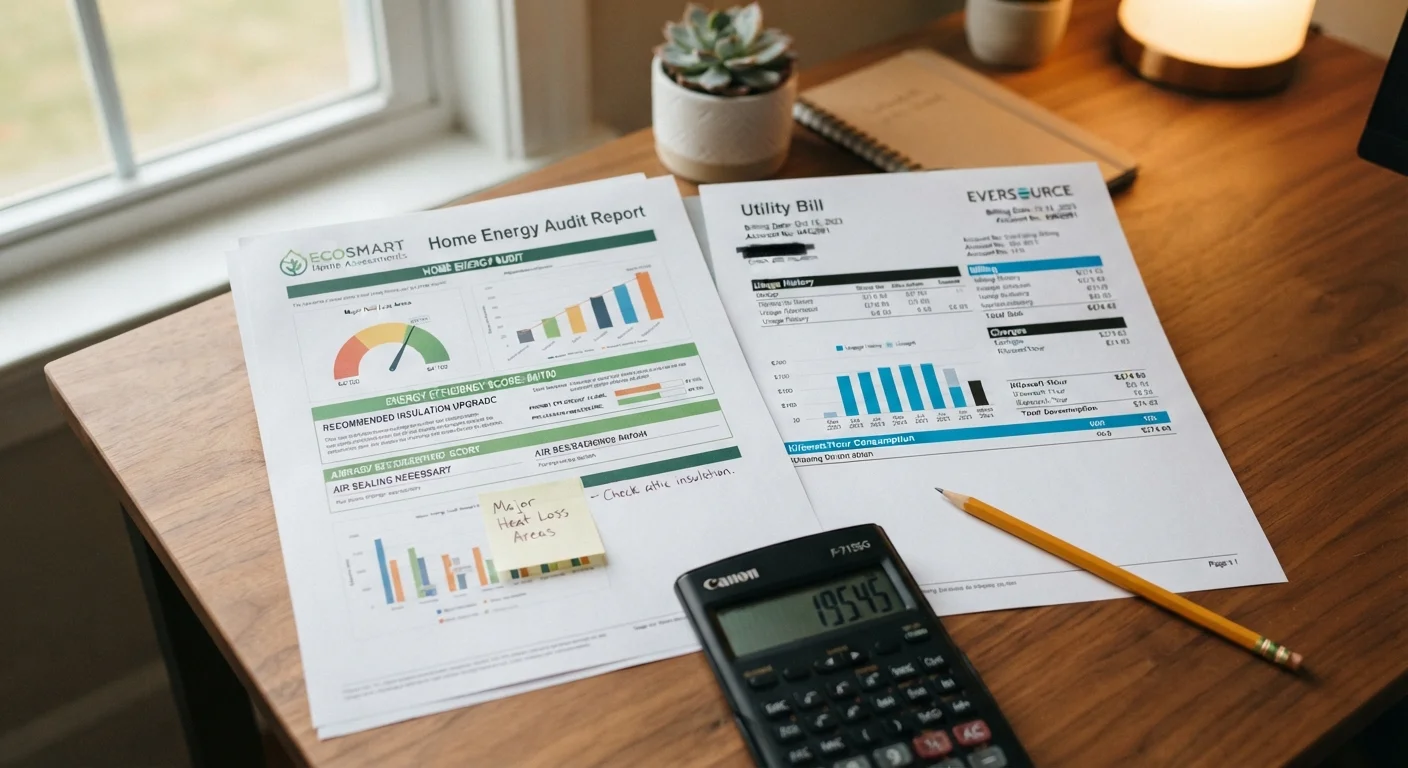
A room-by-room energy audit is a practical way to identify where your home is losing the most energy before deciding where to focus any improvement budget.
How Insulation Actually Works
Heat always moves from warmer areas to cooler ones - it flows out of your heated home in winter and into your cooled home in summer. Insulation slows that movement by trapping pockets of air or using materials with low thermal conductivity. The slower heat moves through your walls, attic, and floors, the less your heating and cooling system has to run to compensate.
This is captured by the concept of R-value: a standardized measure of thermal resistance. A higher R-value means the material resists heat flow more effectively. For context, a typical uninsulated wood-framed wall might have an effective R-value below R-5, while a well-insulated attic in a cold climate might aim for R-49 to R-60. Understanding this number helps you evaluate what's already in your home and what level of improvement might be worth pursuing. The plain-language guide to energy efficiency terms explains R-value and related concepts in more detail.
40-50%
Share of home energy used for heating and cooling
According to the US Department of Energy, HVAC accounts for the largest portion of a typical household's energy consumption.
Up to 15%
Estimated heating and cooling savings from air sealing and insulation
The US Department of Energy estimates that properly sealing and insulating can save up to 15% on total heating and cooling costs, though results vary by home.
R-49 to R-60
Recommended attic insulation R-value for cold US climate zones
The DOE recommends higher R-values for colder regions, with most of the northern US falling in zones that call for attic R-values between R-49 and R-60.
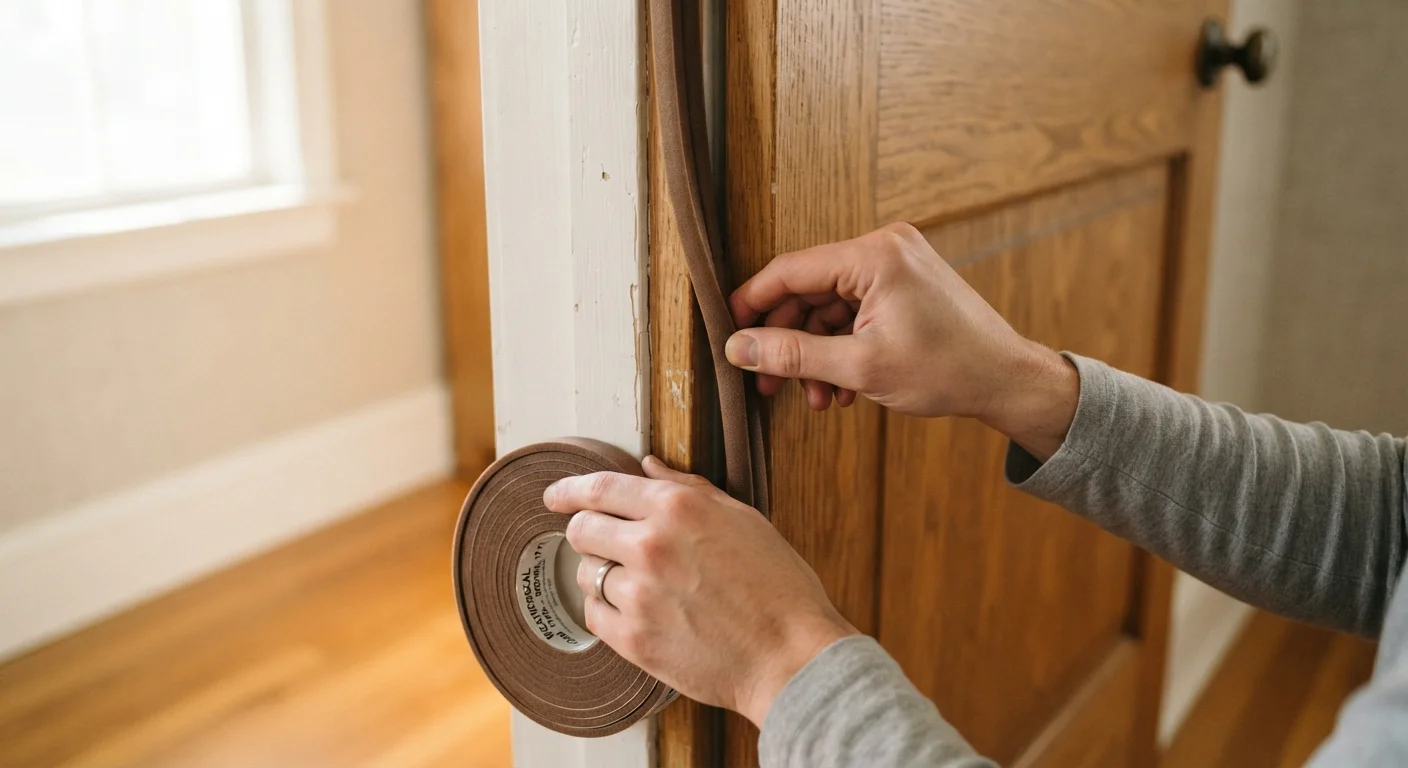
It's also worth understanding that insulation addresses conducted heat - but drafts and air leakage are a separate (and complementary) problem. Sealing air leaks around doors and windows works alongside insulation upgrades to deliver more complete results.
Common Insulation Types and Where They're Used
Not all insulation is interchangeable. Different materials suit different locations, budgets, and installation methods.
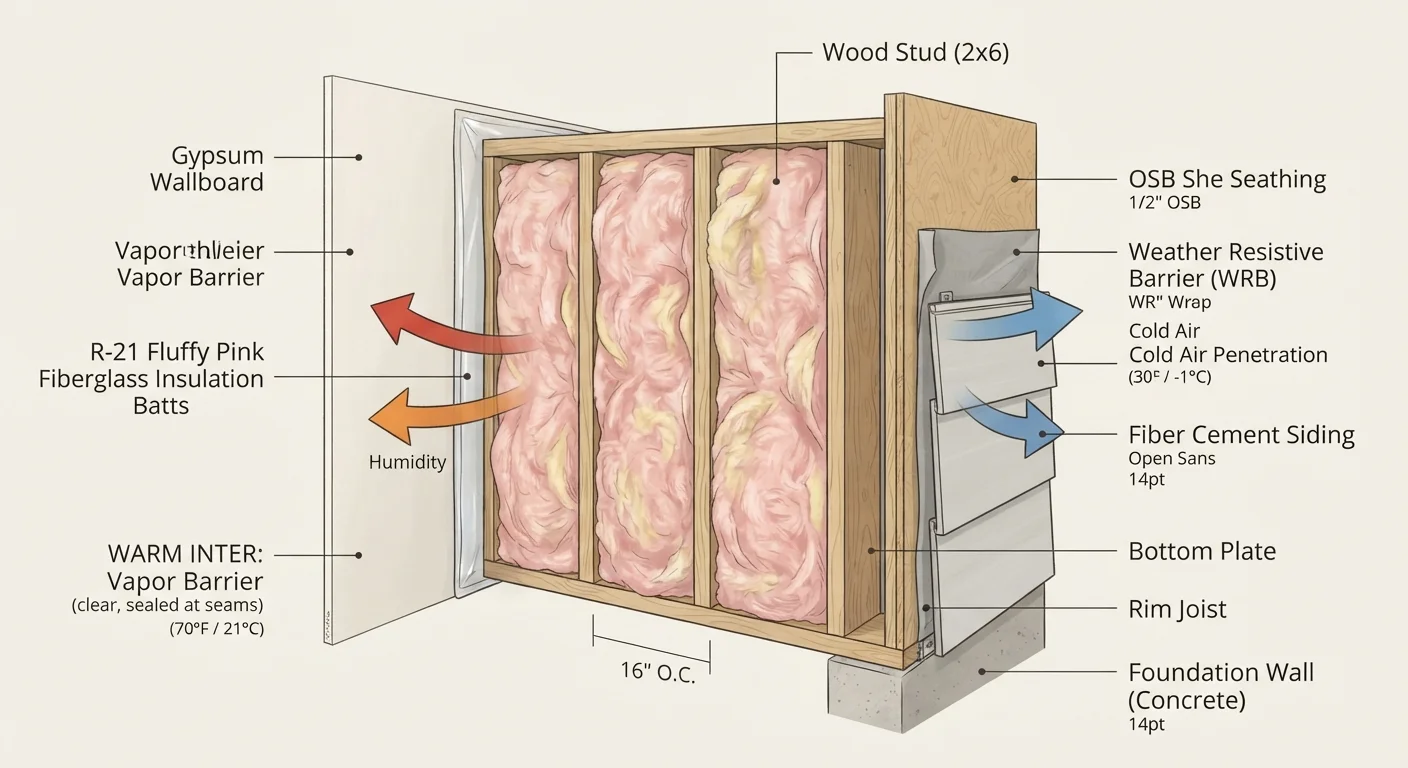
- Fiberglass batts: Pre-cut panels that fit between wall studs and floor joists. These are among the most accessible options for DIY attic floor installation. They're cost-effective but must be installed carefully to avoid gaps that reduce performance.
- Blown-in (loose-fill): Cellulose or fiberglass blown into place using a machine. Well-suited to attic floors and hard-to-reach cavities where batts can't be easily fitted. Often used to top up existing insulation layers.
- Spray foam: Expands to fill irregular gaps and provides both insulation and air sealing in one step. Effective around pipes, rim joists, and other penetrations. Professional installation is generally required and costs more than batt or blown-in options.
- Rigid foam boards: Used on basement walls, exterior sheathing, or under flooring. Provides consistent insulation without the risk of compression that affects fibrous materials.
Start With an Attic Check
Before investing in any insulation project, check your attic first. If you can see the tops of the wooden joists along the attic floor, you likely have less insulation than recommended. This is one of the easiest self-checks a homeowner can perform, and addressing an under-insulated attic is typically the highest-return starting point for most US homes.
The attic is the most commonly prioritized starting point in US homes. Heat rises, making the ceiling plane between conditioned living space and an unconditioned attic one of the largest sources of heat loss in winter - and heat gain in summer.
Putting Insulation in Context
Insulation improvements work best as part of a broader approach to home energy use. Pairing them with seasonal energy-saving habits and understanding common home energy myths helps you build a clearer picture of where your spending actually goes and where changes make the most difference.
For renters, insulation upgrades are typically the landlord's responsibility - but understanding the concept helps you advocate for improvements or identify whether poor insulation is driving unusually high utility bills. Homeowners have more direct control and may find that targeted improvements to a single under-insulated area, such as an attic, deliver measurable reductions in heating and cooling costs over time.
The core principle is straightforward: insulation is passive infrastructure. Once installed correctly, it works without any ongoing effort or behavioral change. That makes it one of the more reliable long-term strategies for households looking to reduce recurring energy costs without constantly adjusting habits or equipment settings.