
Why Your Bill Is Almost Never Just the Menu Price
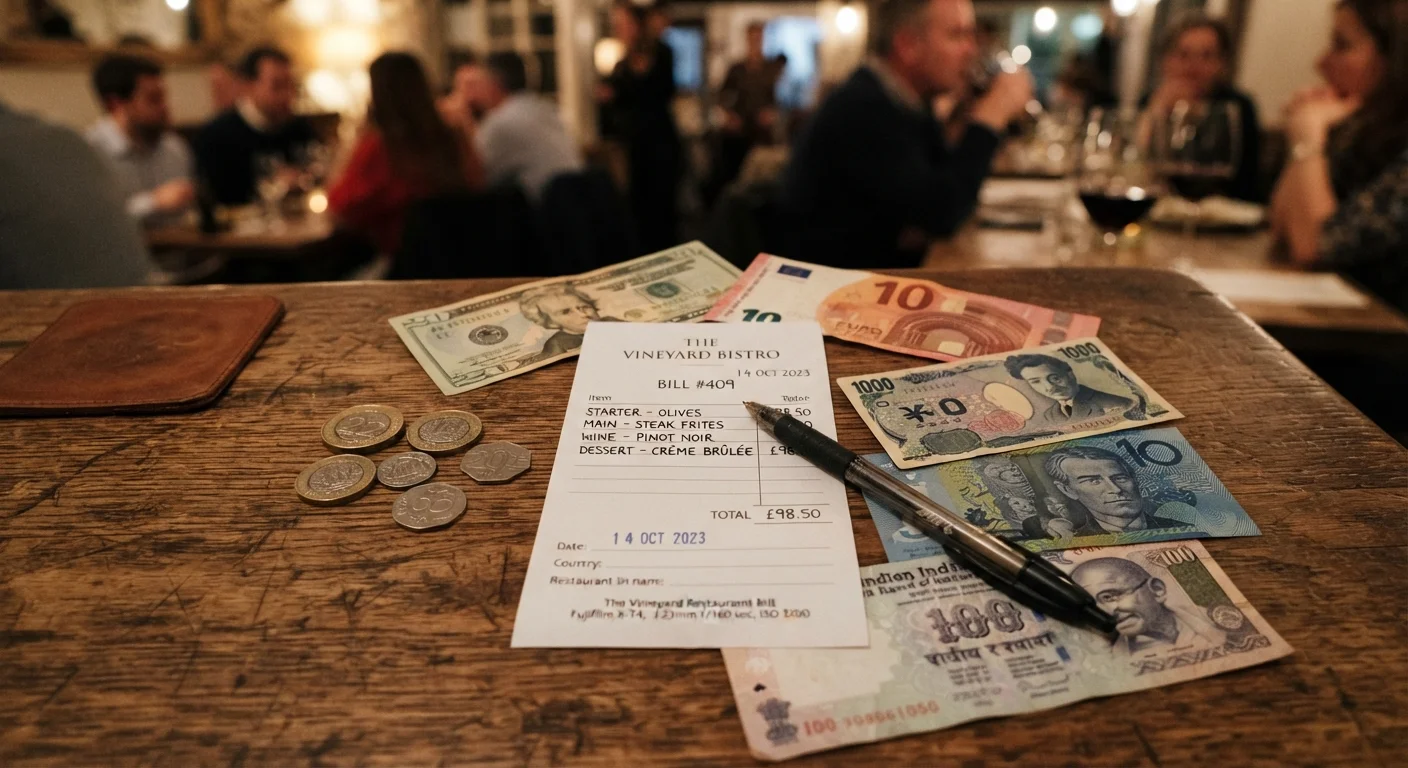
Menu prices are a starting point, not a final number. Across most countries, restaurants legally add charges on top of what's listed — service fees, cover charges, taxes, and sometimes items you didn't explicitly order. For budget travelers, these additions can quietly inflate a $12 meal into a $18 bill. Understanding what each line item means — and whether you're obligated to pay it — is one of the fastest ways to avoid overspending on food.
This isn't just a developing-country phenomenon. Some of the most confusing billing practices occur in high-income countries with well-established restaurant cultures. The structure of what gets added, and how much discretion you have over it, varies significantly by region.
For broader context on managing costs abroad, see how foreign transaction fees work — the same principle of hidden additions applies to money exchange.
| US tipping norm | 15–20% of pre-tax bill |
| UK discretionary service charge | 10–12.5%, removable on request |
| France service policy | Legally included in menu prices |
| Japan tipping | Not practiced; may be considered rude |
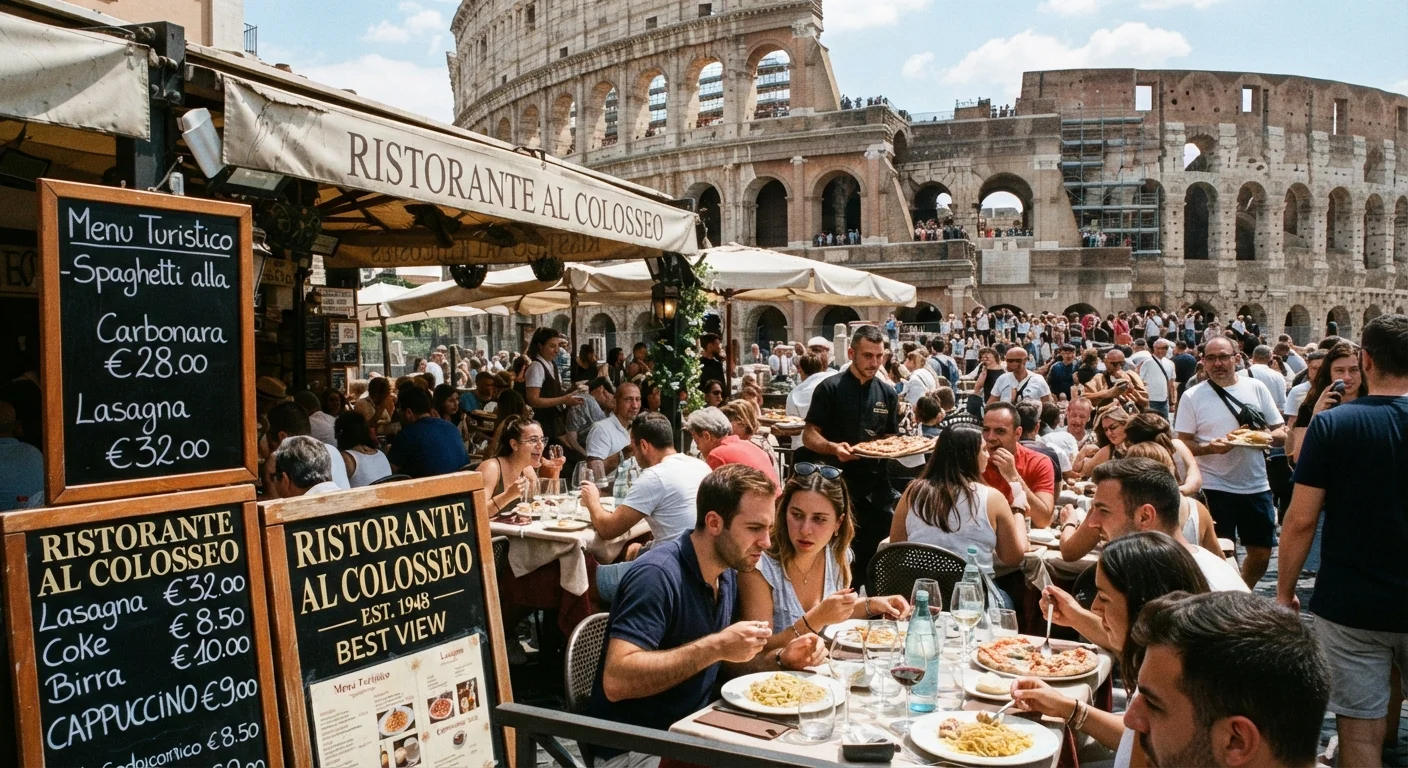
| Italy cover charge range | €1–€4 per person |
| Australia holiday surcharge | 10–15%, must be disclosed |
| Credit card surcharge range | 1–3% in applicable markets |
How Tipping and Service Charges Work by Region
United States and Canada: Tipping is deeply embedded in the dining model. A 15–20% tip is a social norm, not a legal requirement, but in practice it functions as part of server wages. Many restaurants now add an automatic gratuity of 18–20% for parties of six or more — this will appear on your bill as a line item. If you pay that automatic gratuity, you are not expected to tip additionally, though the receipt may still show a tip line.
United Kingdom and Ireland: A service charge of 10–12.5% is common and will appear on the printed bill. In most cases this is discretionary and can be removed on request, though restaurants aren't required to make this obvious. The money doesn't always go directly to servers, so asking matters both for your budget and for staff.
France, Spain, and most of continental Europe: Service is legally included in listed prices (a rule known as service compris in France). Leaving small change is common courtesy, but an additional tip is not expected. Cover charges — a flat fee per person just for sitting down — can still appear, especially in tourist-heavy areas of Italy, Portugal, and Greece.
Japan, South Korea, and much of East Asia: Tipping is not practiced and in some contexts is considered impolite. The price on the menu is typically close to what you pay, though consumption tax is sometimes added at the register rather than displayed in the listed price — worth accounting for when budgeting.
Australia and New Zealand: No formal tipping culture, though a 10% voluntary tip is appreciated for table service. Public holiday surcharges of 10–15% are legal and relatively common — menus or doors are usually required to disclose them, but it's easy to miss.
Service charge
A percentage added to a restaurant bill to cover staff wages or general service. It may be mandatory or discretionary depending on the country and establishment, and it does not always go directly to your server.
Cover charge (coperto)
A flat per-person fee charged in some countries — especially Italy — for seating, bread, and table setup. It is separate from food and drink prices and is typically non-negotiable.
Service compris
A French term meaning 'service included.' In France and some other European countries, service is legally embedded in menu prices, so an additional tip is not obligatory.
Automatic gratuity
A fixed tip percentage — typically 18–20% — added automatically to bills, most commonly for large groups. This is a restaurant policy, not a government requirement, and differs from a voluntary tip.
VAT (Value Added Tax)
A consumption tax applied to goods and services in many countries. In restaurants, VAT may or may not be included in the displayed menu price — always check whether prices are listed as tax-inclusive.
Holiday surcharge
A percentage added to bills on public holidays or weekends, permitted in some countries like Australia. Restaurants are generally required to disclose it, but it can appear as a small-print notice.
For practical guidance on eating affordably regardless of location, avoid tourist-trap restaurants and check local eating strategies that keep costs closer to what residents actually pay.
Common Hidden Charges to Watch For
Beyond tips and service charges, several recurring add-ons catch travelers off guard:
- Cover charge (coperto): Common in Italy, this is a per-person charge for bread, table linen, and the act of sitting down. It typically ranges from €1–€4 per person and is not negotiable.
- Bread and water: In parts of Southern Europe and Latin America, bread and water placed on the table without being ordered may appear on the bill. You can decline these items before they're brought out.
- VAT or consumption tax added at checkout: In some countries (Japan, Singapore, parts of Southeast Asia), sales or consumption tax is not included in displayed menu prices. In Singapore, for example, GST and a service charge are typically listed separately at the bottom of menus as a percentage.
- Credit card surcharges: In Australia, parts of the US, and several European countries, paying by card can trigger an additional 1–3% surcharge. Carrying a small amount of local cash helps avoid this, particularly for meals under $30.
- Holiday or weekend surcharges: Legal in Australia and some other markets; the percentage must be disclosed but is easy to overlook.
Knowing these patterns before you sit down is how you avoid bill shock. A quick review of what a destination actually costs before your trip should include researching local restaurant billing norms, not just menu price ranges.
How to Verify Charges Before You Pay
Asking questions before ordering — not after — puts you in control. Most restaurants will answer straightforwardly if you ask whether service is included or whether there's a cover charge. In countries where discretionary service charges are standard, you're generally within your rights to ask for them to be removed if service was poor, though this is less socially expected in some cultures than others.
When the bill arrives, scan for any line items that aren't self-explanatory. Legitimate charges will have a label. If something is unclear, ask before paying rather than guessing. Restaurants make billing errors — not always intentionally — and a polite question is almost always welcomed.
Pair this awareness with smart timing: eating at off-peak hours often gets you set menus or lunch specials that reduce the base price before any charges apply, which compounds the savings.
This article provides general travel information and is not legal or financial advice. Billing regulations, tax rules, and tipping norms change over time and vary by location. Always verify current local practices with official sources or at the point of service.