
What You're Actually Comparing
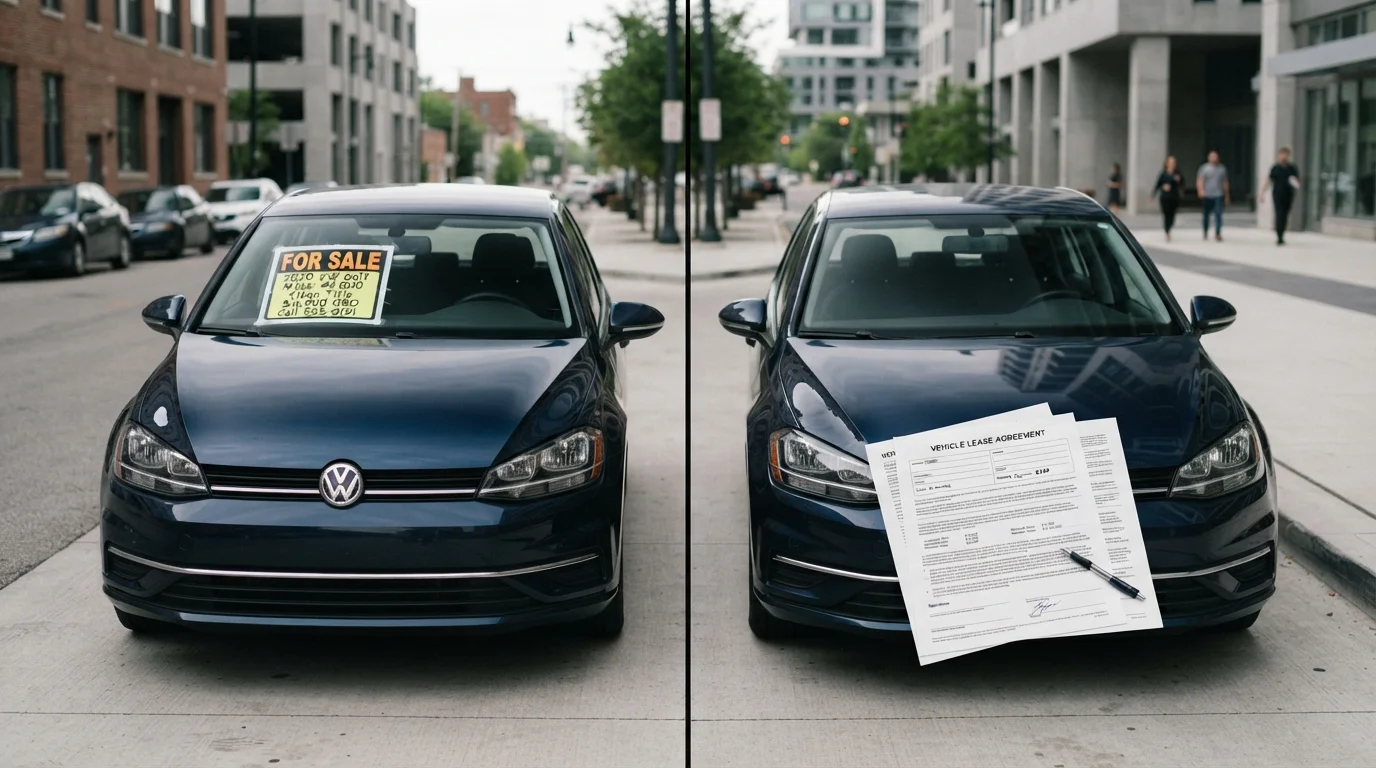
Owning and leasing a car are fundamentally different financial arrangements - not just variations on a monthly payment. When you buy, you're paying off an asset you'll eventually own outright. When you lease, you're paying for the right to use a vehicle for a set period - typically two to three years - and then returning it.
That distinction shapes everything downstream: what you pay monthly, how much flexibility you have, what happens when something breaks, and how the math changes over five or ten years. Before comparing numbers, it helps to understand what each arrangement actually gives you. Start by reading our guide on setting a realistic car budget - knowing your true ceiling changes how each option looks.
| Buying (Owning) | Leasing | |
|---|---|---|
| Monthly payment | Higher (loan repayment) | Lower (depreciation only) |
| Equity built | Yes - you own the asset | None - vehicle is returned |
| Mileage flexibility | Unlimited | Capped, penalties apply |
| Repair responsibility | Owner-funded after warranty | Covered under warranty term |
| Early exit cost | Sell or trade-in | Significant termination fees |
| Long-term cost (6+ years) | Lower once loan is paid off | Ongoing payments, no break |
| Customisation allowed | Yes - your vehicle | Restricted by lease terms |
The Real Cost Breakdown Over Time
Monthly payment comparisons are misleading in isolation. A lease payment is almost always lower than a loan payment for the same vehicle - but that doesn't mean leasing is cheaper. You're paying for depreciation during the lease term, dealer fees, and interest (called the money factor in lease contracts). At the end, you own nothing.
Buying costs more per month in the short run, but once the loan is paid off - often after four to six years - your transportation costs drop significantly. You carry only insurance, fuel, and maintenance. If you keep the vehicle for ten years, those final years are dramatically cheaper than any lease cycle.
The break-even point between the two paths usually falls somewhere around year four or five, assuming comparable vehicles and average maintenance costs. After that, ownership tends to pull ahead financially. Our explainer on why low monthly payments can be deceptively expensive walks through the arithmetic in more detail.
Calculate Total Cost, Not Just Monthly
Add up all payments, fees, and estimated repair or mileage costs over the full comparison period - not just what you pay each month. A lease that saves $100 per month can still cost thousands more over five years when all fees are included. Spreadsheets aren't glamorous, but they give you clarity that showroom conversations rarely do.
Where Leasing Creates Hidden Costs
Lease agreements come with conditions that can generate real costs if you're not careful. The most common pressure points:
- Mileage caps: Most leases allow 10,000-15,000 miles per year. Exceeding the limit typically triggers a per-mile charge at lease-end, often between $0.15 and $0.30 per mile - which adds up fast.
- Wear-and-tear standards: Lessors inspect the vehicle at return. Anything beyond normal wear - a scuffed bumper, a cracked windshield - can result in charges.
- Early termination penalties: Ending a lease early is expensive, sometimes equal to several remaining monthly payments. Life changes - a job loss, a move, a growing family - can make flexibility very costly.
- Disposition fees: Many leases charge a fee simply for returning the vehicle at the end of the term.
None of these are hidden in the fine print maliciously, but they're easy to underestimate at signing. For drivers already managing tight finances, these variable costs can disrupt budgeting significantly.
Where Ownership Creates Risk
Buying isn't without its financial landmines either. The biggest risks for budget-conscious drivers:
- Repair costs: Once a vehicle is out of warranty, you absorb the full cost of repairs. A transmission failure or major engine work can run several thousand dollars - money that a monthly lease payment doesn't expose you to.
- Depreciation front-loading: A new car loses a significant portion of its value in the first few years. If you finance a new vehicle and need to sell it early, you may owe more than it's worth.
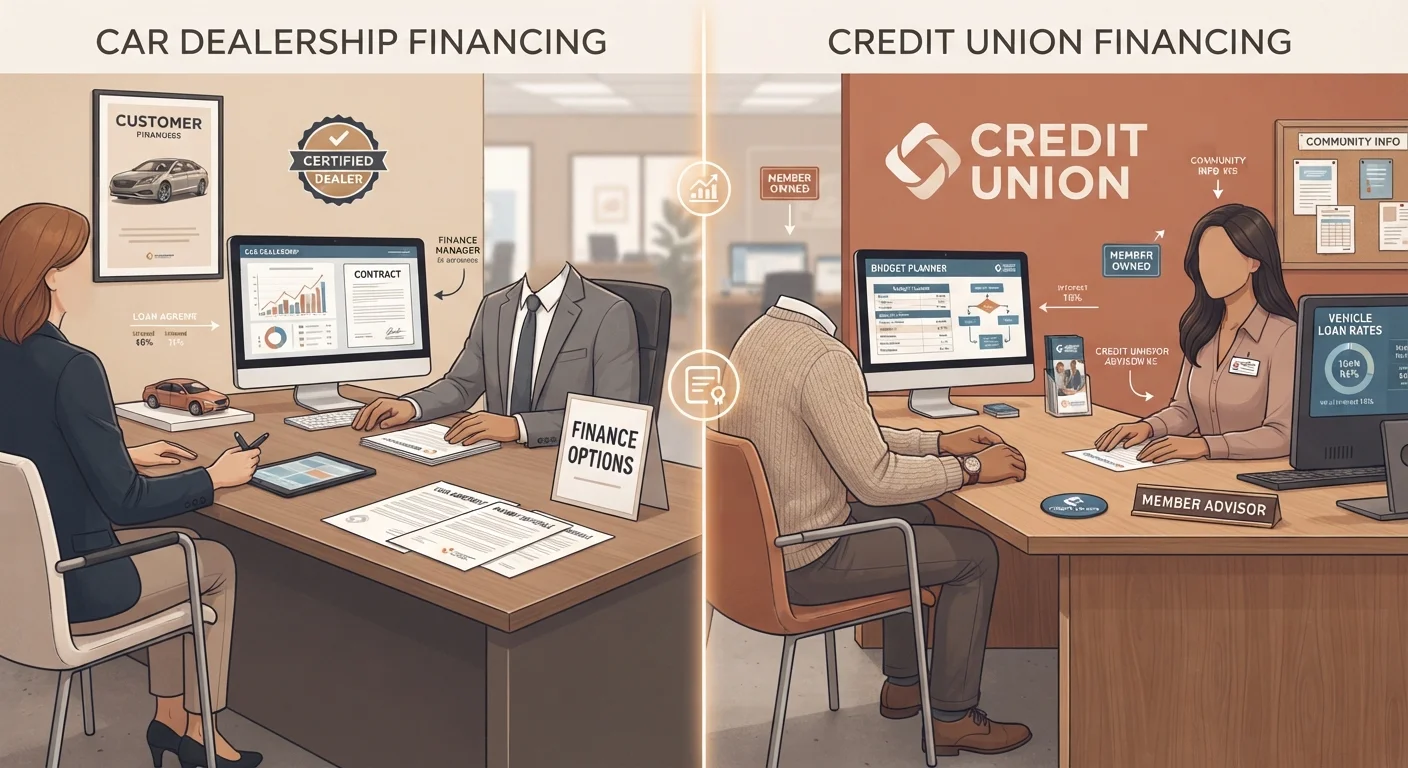
- Financing costs: Interest paid over a long loan term adds meaningfully to total vehicle cost. Our article on financing through a dealer vs. a bank or credit union explains how to minimize what you pay in interest.
Buying a used vehicle rather than new can significantly reduce depreciation risk and overall cost - but introduces its own considerations around reliability. See private seller vs. dealership trade-offs for a fuller picture of that decision.
How to Decide Based on Your Situation
A few practical questions cut through most of the noise:
- How many miles do you drive annually?
- If you regularly exceed 15,000 miles, leasing will likely cost you extra. Ownership removes that ceiling entirely.
- How long do you typically keep a vehicle?
- If you tend to trade in every two to three years anyway, leasing may not be more expensive than buying and selling repeatedly. If you hold cars for six or more years, buying almost always wins financially. Our article on keeping a car long-term vs. upgrading every few years examines this trade-off in depth.
- How stable is your income?
- A lease locks you into fixed monthly payments with costly exit penalties. If your income is variable or uncertain, that rigidity can become a problem. Ownership gives you more options - you can reduce other car costs, as outlined in our guide to automotive expenses you can trim.
- Can you handle an unexpected repair bill?
- If a $1,500 repair would create a genuine financial crisis, the predictability of a lease (covered under warranty for the full term) has real value. If you have a modest emergency fund, ownership is less risky than it appears.
There's no formula that gives everyone the same answer. The goal is to match the arrangement to your actual driving habits and financial reality - not to chase the lowest advertised monthly number.