
Why Timing Is the Cheapest Tool in Your Garden
Growing your own vegetables is one of the most effective ways to cut grocery costs - but only if your seeds actually produce food. Planting too early or too late is the most common reason beginners lose crops and money. Seeds cost little individually, but failed beds add up, and the real loss is the produce you were counting on.
Timing your plantings to match your local climate doesn't require expensive equipment or expertise. It requires a basic understanding of frost dates (the average last frost in spring and first frost in fall), plant maturity windows, and which crops tolerate cold versus heat. Once you have that framework, you can plan a productive growing season almost entirely around low-cost vegetables.
If you're just getting started, see our guide to starting a garden on a shoestring for an honest breakdown of what you actually need to spend. This calendar builds on that foundation by telling you when to act.
| Anchor reference point | Last Spring Frost Date (LSFD) (USDA / local cooperative extension service) |
| Fastest-maturing vegetable | Radishes (25-30 days) |
| Longest indoor lead time | Peppers: 8-10 weeks before LSFD |
| Crop planted in fall for summer harvest | Garlic (October-November) |
| Minimum soil temperature for beans | 60°F |
| Free frost date resource | USDA Plant Hardiness Zone Map (planthardiness.ars.usda.gov) |
The Seasonal Planting Calendar: Vegetable by Vegetable
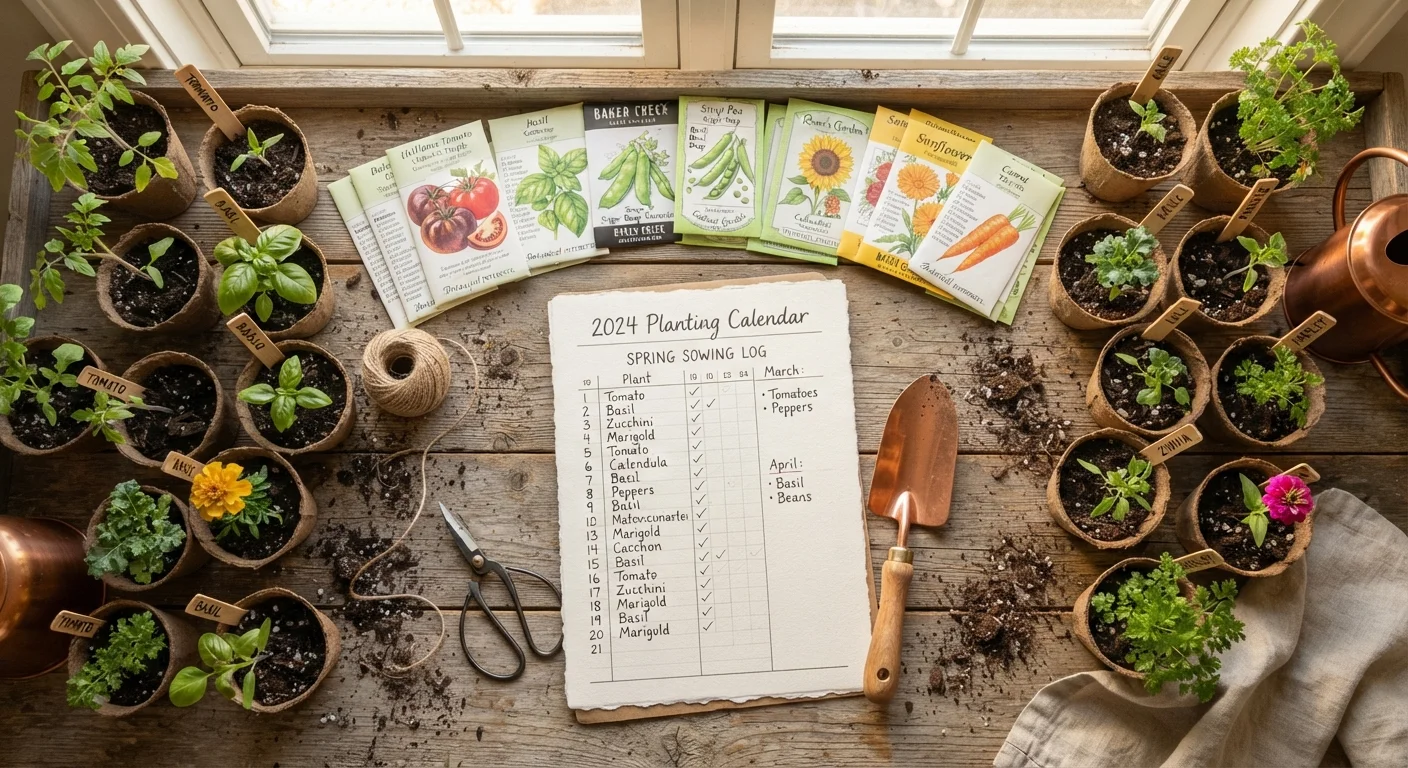
The windows below are organized by season and use your last spring frost date (LSFD) as the anchor point. Look yours up via the USDA Plant Hardiness Zone Map or your local cooperative extension service - both are free. Most of the continental US falls between a late-February and late-May LSFD.
Cool-Season Crops (Start Before or After Summer Heat)
- Lettuce and spinach: Direct sow 4-6 weeks before LSFD outdoors, or start indoors 6-8 weeks before. Revisit in late summer (8-10 weeks before first fall frost) for a second harvest.
- Kale and collards: Sow outdoors 4 weeks before LSFD. Both tolerate light frost and improve in flavor after a cold snap - highly productive per square foot.
- Radishes: Direct sow 3-4 weeks before LSFD. Mature in 25-30 days, making them one of the fastest-return crops. Re-sow every two weeks through spring and again in early fall.
- Peas (snap and shelling): Direct sow 4-6 weeks before LSFD. Peas fail in heat, so early timing is critical. No indoor starting needed - they dislike root disturbance.
- Broccoli and cabbage: Start indoors 6-8 weeks before LSFD; transplant 2-4 weeks before. These take longer but yield heavily relative to seed cost.
Warm-Season Crops (After Frost Risk Passes)
- Tomatoes: Start indoors 6-8 weeks before LSFD; transplant after last frost. One of the highest-value crops for home growers given grocery store prices.
- Zucchini and summer squash: Direct sow after LSFD or start indoors 2-3 weeks before. Plants produce prolifically - one or two plants is usually enough per household.
- Beans (bush and pole): Direct sow after LSFD when soil is at least 60°F. Do not start indoors - they germinate quickly and resent transplanting. Successive sowings every 2-3 weeks extend harvest.
- Cucumbers: Start indoors 3-4 weeks before LSFD; transplant after frost. They need consistent warmth - rushing them into cold soil causes stunting.
- Peppers: Start indoors 8-10 weeks before LSFD. The longest indoor lead time of common vegetables, but highly productive once established.
Long-Season Crops Worth Planning For
- Winter squash and pumpkins: Sow after LSFD, but count backwards from your first fall frost - they need 80-110 days to mature. Choose short-season varieties in northern zones.
- Garlic: Plant cloves in fall (typically October-November), overwinter, and harvest the following July. Per-pound yield versus cost of a seed head is exceptional.
Last Spring Frost Date (LSFD)
The average calendar date after which freezing temperatures are unlikely in your area each spring. Used as the anchor point for scheduling when to start seeds indoors and when to transplant or direct sow outdoors.
Direct Sow
Planting seeds directly into outdoor soil rather than starting them indoors in containers first. Used for crops that germinate quickly or that don't tolerate root disturbance during transplanting.
Succession Sowing
Planting small batches of the same crop every two to three weeks instead of all at once. This spreads out the harvest window and prevents surplus produce from going to waste.
Days to Maturity
The number of days a plant typically takes to produce harvestable vegetables after transplanting or direct sowing. Printed on seed packets and useful for counting backwards from your first fall frost date.
Open-Pollinated Variety
A plant variety pollinated naturally by insects, wind, or other means, producing seeds that reliably grow into plants with the same traits as the parent. Seeds from these varieties can be saved and replanted each year.
Hardiness Zone
A geographic classification system - maintained by the USDA in the US - that groups regions by average annual minimum winter temperature. Used to determine which plants are likely to survive and thrive in a given location.
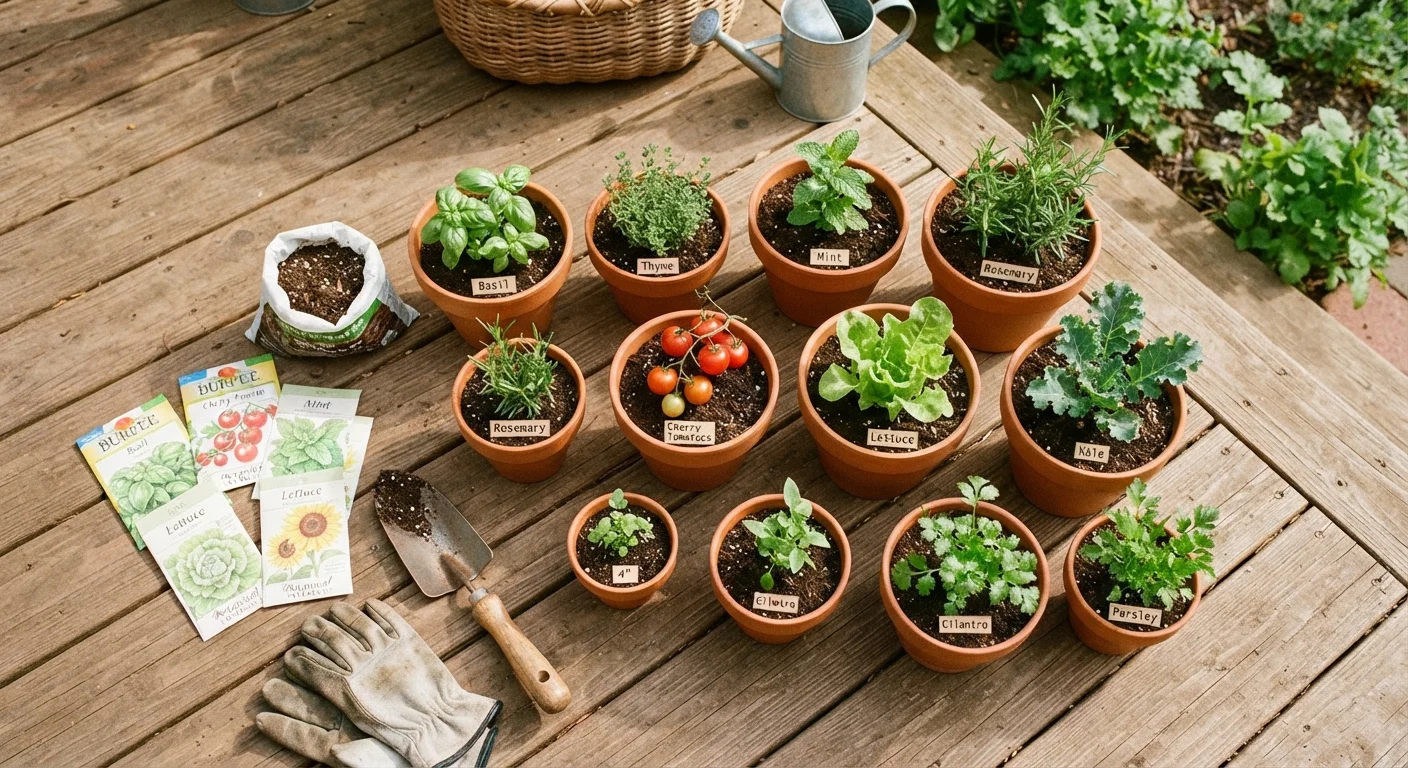
For renters or anyone without ground space, most of these crops - especially lettuce, radishes, beans, peppers, and herbs - adapt well to containers. Our container gardening cost and trade-off guide explains what size pots you actually need and where to keep expenses low.
Stretching Your Budget Further Through the Season
The calendar above handles timing, but a few additional habits keep costs down across the full growing season.
Succession sowing - planting small batches every two to three weeks rather than all at once - prevents glut and waste, so nothing goes unharvested. This is especially effective with lettuce, radishes, and beans.
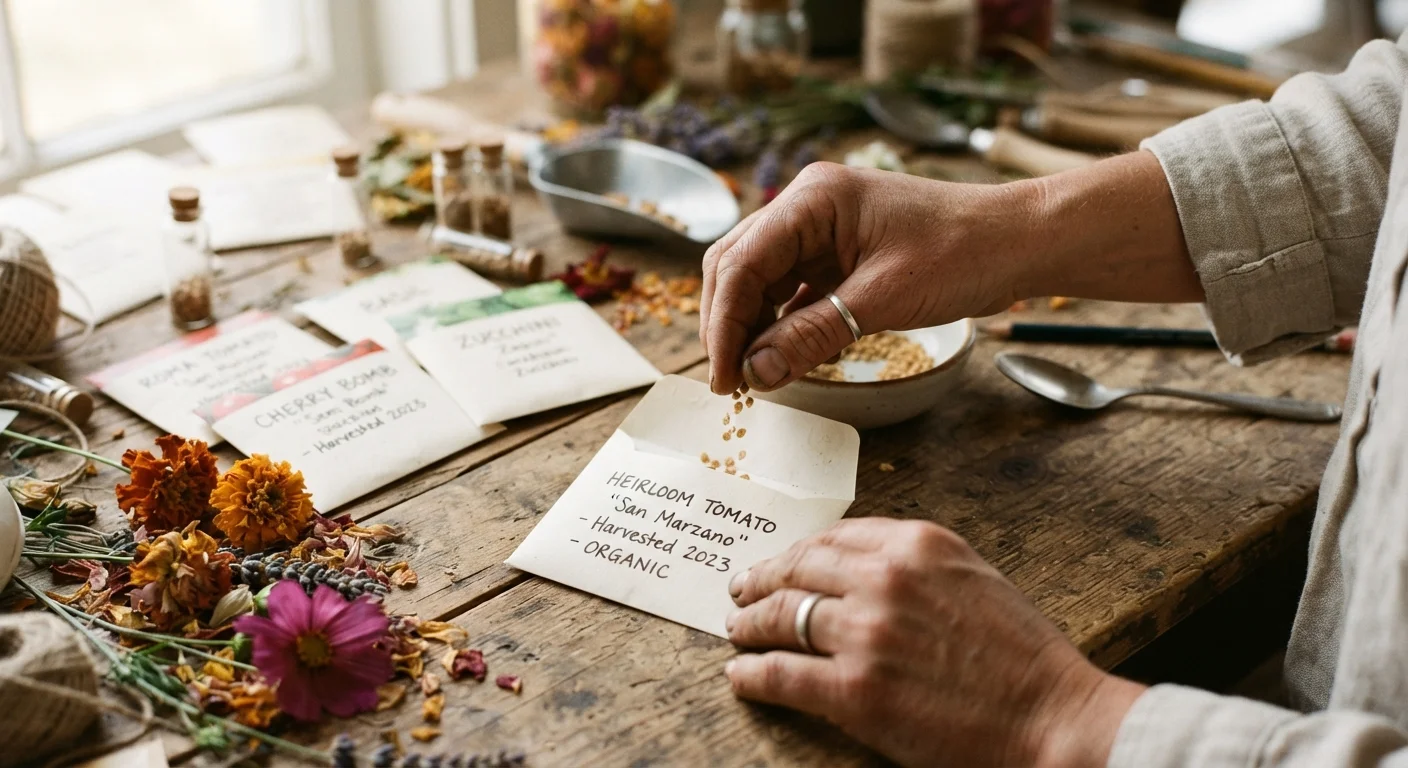
Saving seed from open-pollinated varieties means next year's seed costs nearly nothing. Tomatoes, beans, peas, and squash are among the easiest to save from. Our seed saving guide covers which seeds are worth collecting and how to store them so they stay viable season to season.
Growing seasonally also reduces grocery spending in real time. When zucchini, tomatoes, and lettuce are producing, you buy less of them. For a broader look at how seasonal eating affects your food budget, see our piece on how seasonal produce connects to your grocery bill.
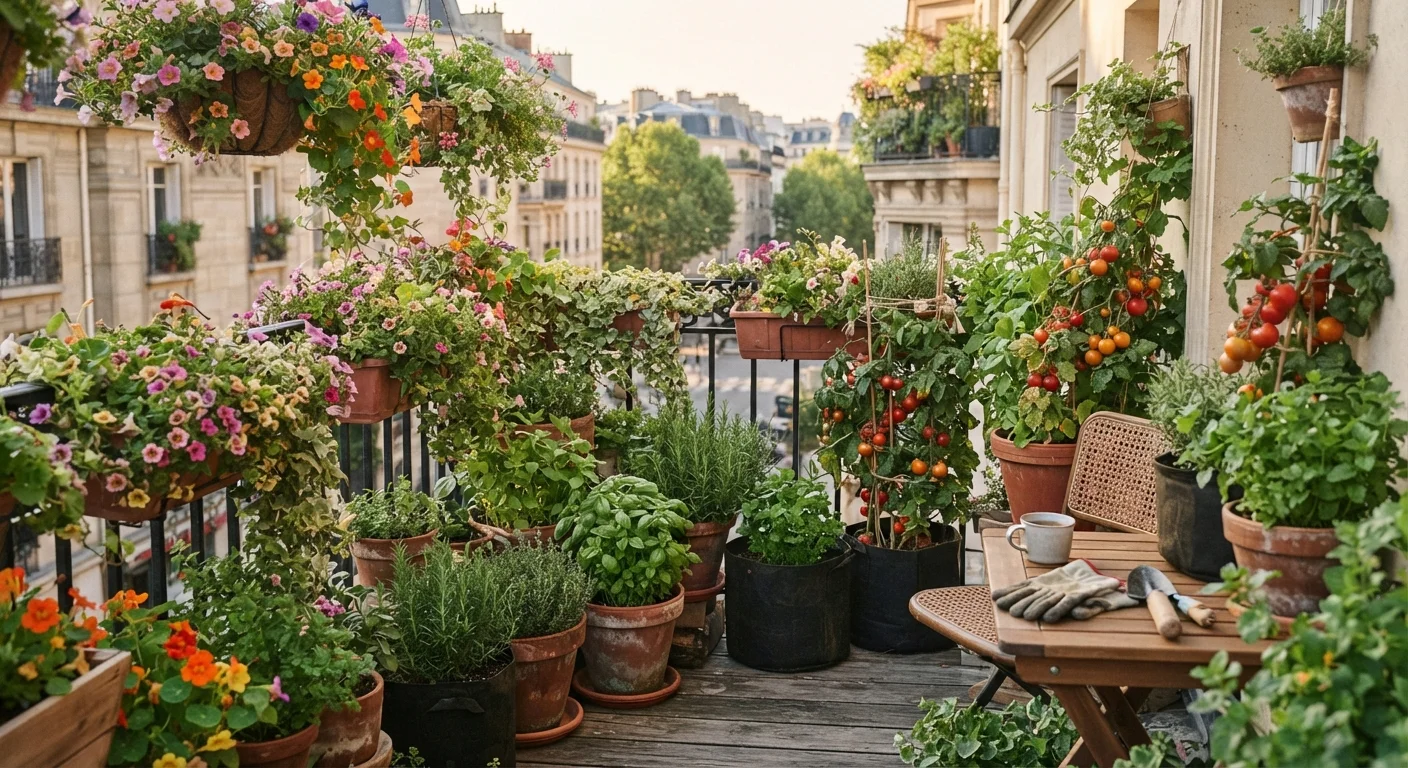
If you're a renter without a traditional yard, you don't have to skip this calendar - most of these crops grow well on balconies and in shared outdoor spaces. See our renter-friendly gardening guide for space-specific strategies.
Planting on time, saving seed, and sowing in succession won't require any new purchases - just a better plan. That's what makes timing the single highest-return investment in home food growing.