
Why Container Gardening Appeals to Budget-Conscious Renters
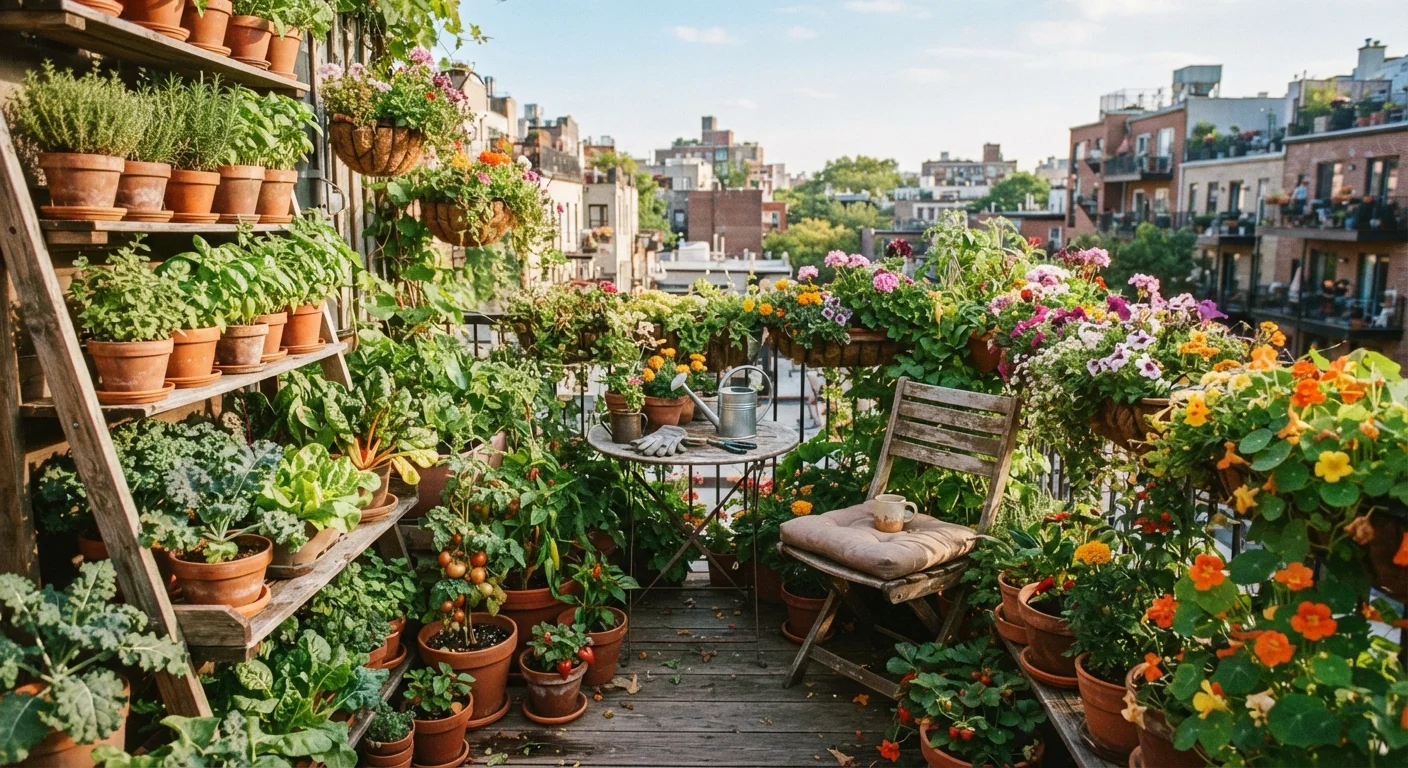
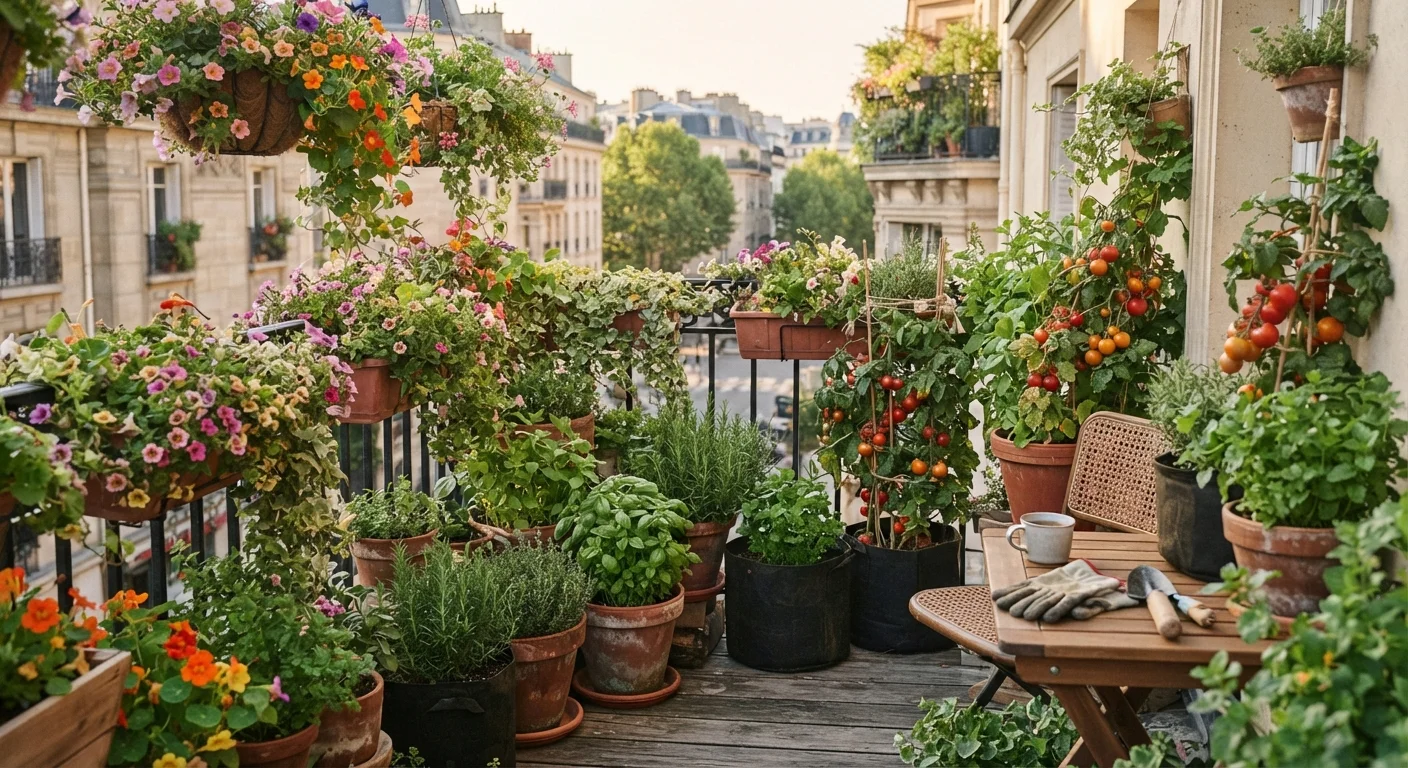
Container gardening removes one of the biggest barriers to growing your own food or flowers: access to ground. If you rent, a balcony, patio, front stoop, or even a sunny windowsill can become productive growing space without any modification to the property. That matters because most lease agreements prohibit digging up lawns or installing permanent structures.
Containers also offer flexibility that in-ground planting simply can't match. You can move plants to follow the sun, bring frost-sensitive varieties indoors in fall, and take your garden with you when you move. For renters especially, that portability has real value.
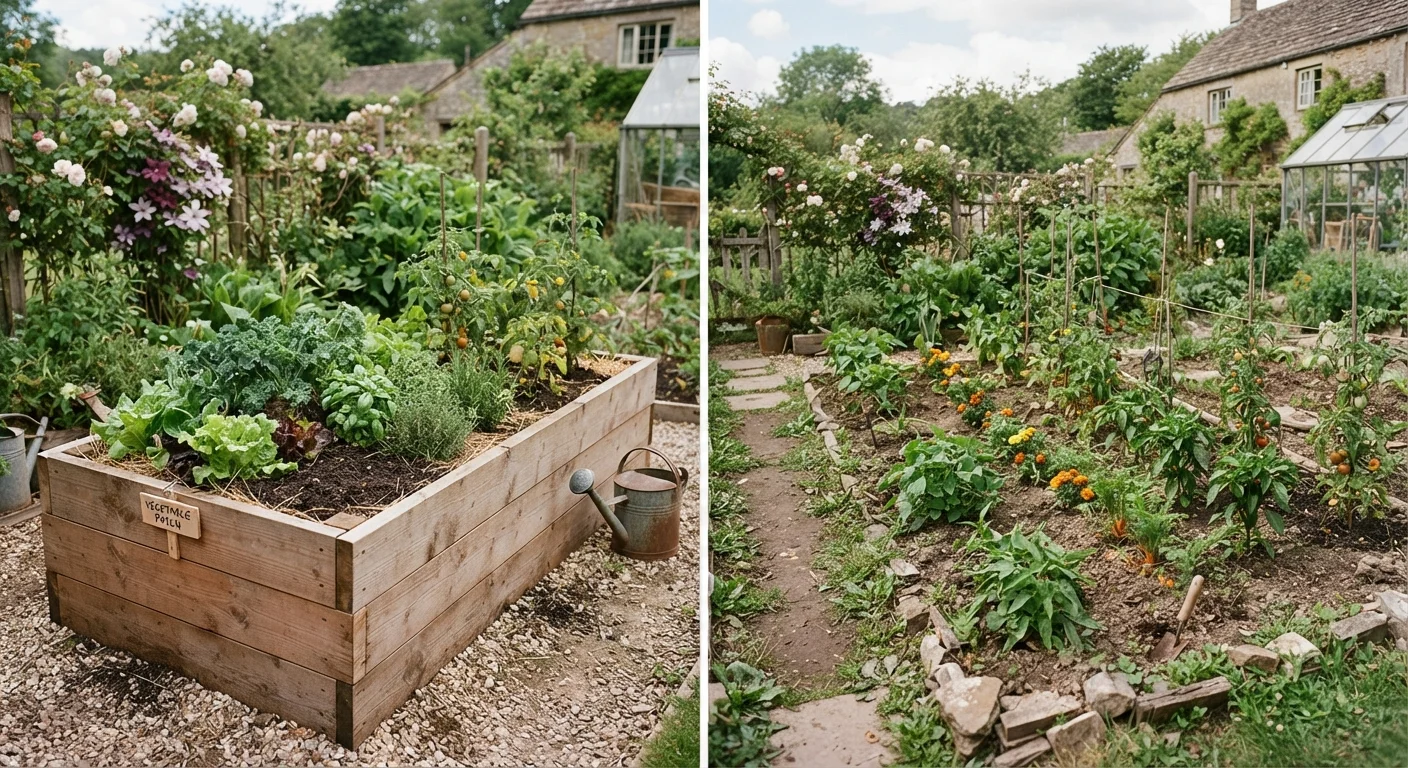
If you're still weighing your options, our guide to renter-friendly gardening covers additional strategies for growing without a yard. And if you're wondering how containers compare to other setups, raised beds vs. in-ground planting breaks down the long-term cost differences.
No yard or ground access required
Containers work on balconies, patios, steps, and windowsills - making gardening possible in apartments and rentals where digging is not an option.
Fully portable and renter-friendly
Plants can be moved to follow sunlight, protected from frost, or taken along when you relocate - none of which is possible with in-ground planting.
Low-commitment entry point for beginners
A single pot of herbs or lettuce is a manageable starting point that lets you learn without overcommitting space, time, or money.
Better control over soil quality
You choose exactly what goes in each container, avoiding the variable or compacted soil conditions that often plague in-ground beds, especially in urban settings.
Fewer pest and weed problems
Containers are naturally isolated from many soil-borne pests and weed seeds, reducing the time and cost spent on pest management compared to garden beds.
The Real Costs You Should Expect
Startup costs for containers are easy to underestimate. A basic setup - two or three medium pots, a bag of potting mix, and a few seedlings - can run anywhere from $30 to $80 depending on what you choose. That's manageable, but it's not the full picture.
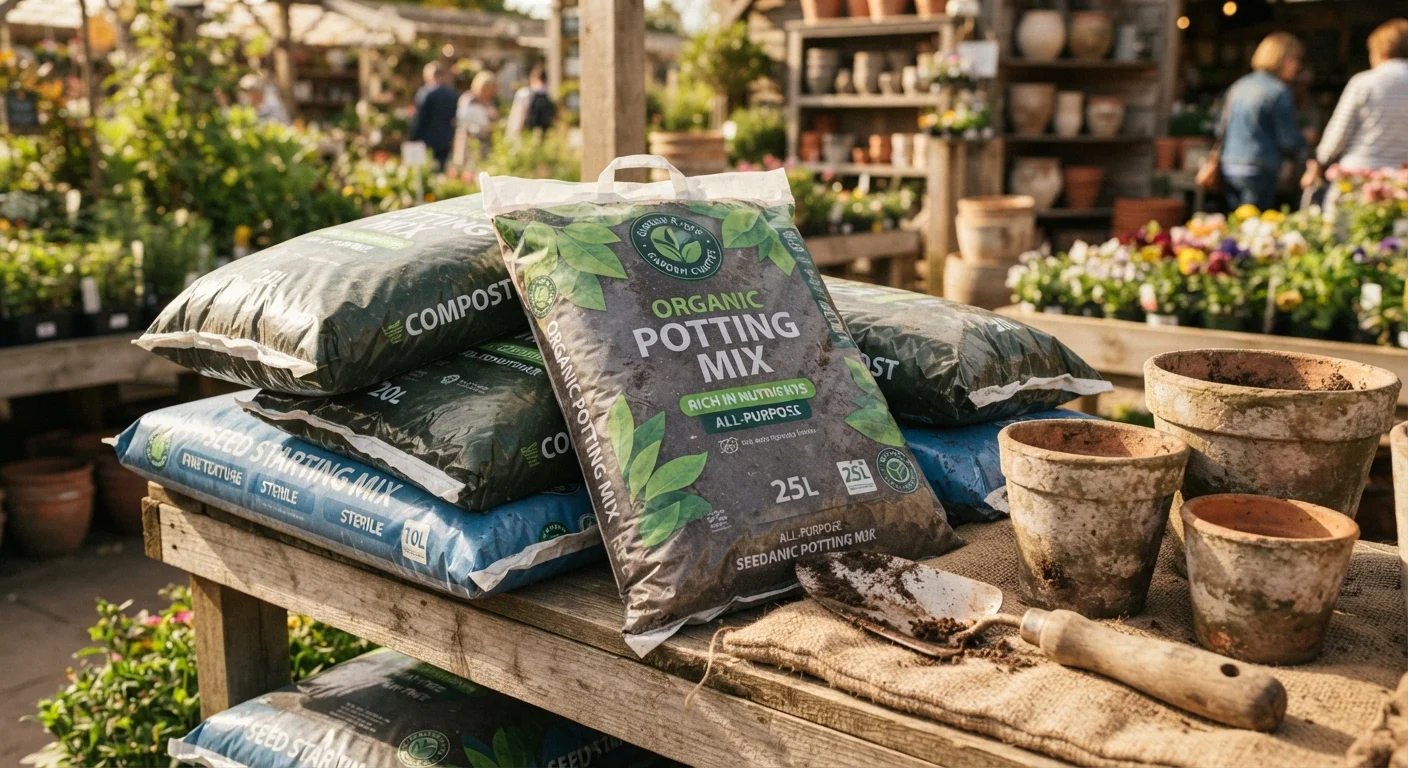
Potting mix is the hidden recurring expense that catches most beginners off guard. Unlike garden soil, bagged potting mix breaks down and compacts over one to two seasons, losing the drainage and air pockets roots need. Most containers need refreshing or topping up annually. A 2-cubic-foot bag typically costs $10-$20 and covers roughly two to four medium containers. See our article on whether premium potting mix is worth it for a closer look at what you're actually paying for.
Fertilizer is another ongoing line item. Nutrients leach out of containers every time you water, so container plants need feeding more regularly than in-ground ones - typically every two to four weeks during the growing season. Compost is a low-cost alternative: making your own compost can offset this cost almost entirely.
$10-$20
Typical cost per bag of potting mix
A standard 2-cubic-foot bag covers roughly two to four medium containers and generally needs refreshing every one to two growing seasons.
5 gallons
Minimum container size for tomatoes
Most extension gardening resources recommend at least a 5-gallon container for determinate tomato varieties to allow adequate root development.
What Works Well in Containers
Herbs are the classic container success story - basil, parsley, chives, and mint all thrive in relatively small pots and produce reliably through the season. Cherry tomatoes, lettuce, spinach, radishes, and peppers also perform well, provided containers are large enough (at least 5 gallons for tomatoes). Flowers like marigolds, nasturtiums, and petunias work beautifully and double as companion plants.
Getting timing right matters too. Planting at the wrong time wastes seed money and often leads to failed crops. Our seasonal planting calendar outlines key windows for productive vegetables that suit container growing. For sourcing plants affordably, plant swaps and cuttings can stock your containers for little or nothing.
Container Size Matters More Than You Think
One of the most common mistakes new container gardeners make is choosing pots that are too small. Undersized containers restrict root growth, dry out faster, and limit how much a plant can actually produce. As a general rule, herbs can manage in 6-inch to 1-gallon containers, leafy greens need at least 2 gallons, and fruiting crops like tomatoes or peppers need 5 gallons or more. Going larger upfront saves you from replanting mid-season.
The Genuine Drawbacks You Should Know
Containers are less forgiving than garden beds, and the disadvantages are worth taking seriously before you invest.
Watering is the biggest ongoing labor demand. Containers - especially terracotta and smaller pots - can dry out within 24 hours during hot weather. Skipping even one day in a heat wave can stress or kill plants. If you travel or have an unpredictable schedule, this is a real constraint.
Space limits what you can grow. Large-rooted crops like carrots, squash, and corn aren't practical in most container setups. And while you can grow a lot in a small footprint, container gardens rarely replace grocery spending the way a dedicated in-ground plot might.
Costs also compound if you're not careful. Common budget gardening pitfalls often start with buying fancy pots or branded soil amendments before understanding what actually drives results. Free or secondhand containers - food-grade buckets, old colanders, wooden crates - can replace purpose-built pots without any loss in plant performance.
Dries out fast - daily watering often needed
Containers have a limited soil volume that heats up and loses moisture quickly, especially during summer. Missing watering during a heat wave can kill plants within a day.
Recurring potting mix and fertilizer costs
Unlike garden soil, potting mix degrades and needs refreshing annually. Nutrients also leach out with every watering, requiring regular feeding throughout the season.
Space limits crop diversity
Deep-rooted crops like carrots, parsnips, and most squash varieties are impractical in containers. Productive harvests require more pots than most small balconies can comfortably fit.
Less forgiving of neglect than garden beds
The smaller soil mass means temperature and moisture swings are more extreme. Plants in containers can stress or die faster when watering or feeding lapses.
Startup costs are easy to underestimate
Decent pots, quality potting mix, seedlings, and basic tools can quickly reach $50-$100 before you've grown anything - especially if you buy everything new.
Making Container Gardening Cost-Effective
The economics of container gardening improve significantly with a few deliberate choices. Start with seeds rather than nursery transplants where practical - seed starting costs a fraction of the price, and our comparison of garden centres vs. online seed suppliers can help you find the best value. Choose perennial herbs like chives, thyme, and mint that come back year after year, reducing replanting costs. Our guide on perennials vs. annuals explains how to balance both for maximum return.
Grouping containers together slows moisture loss through evaporation and reduces how often you need to water. Self-watering containers - which hold a reservoir at the base - are worth considering for anyone with a busy schedule, though they do cost more upfront. For anyone starting from scratch, starting a garden on a shoestring outlines what genuinely matters versus what's just marketing.
Container gardening rewards planning more than spending. The readers who get the most from it tend to start smaller than they think they should, learn what works in their specific conditions, and expand deliberately from there.