
The Real Upfront Costs of Each Approach
Starting a garden always involves some spending, but raised beds and in-ground plots front-load that cost very differently.
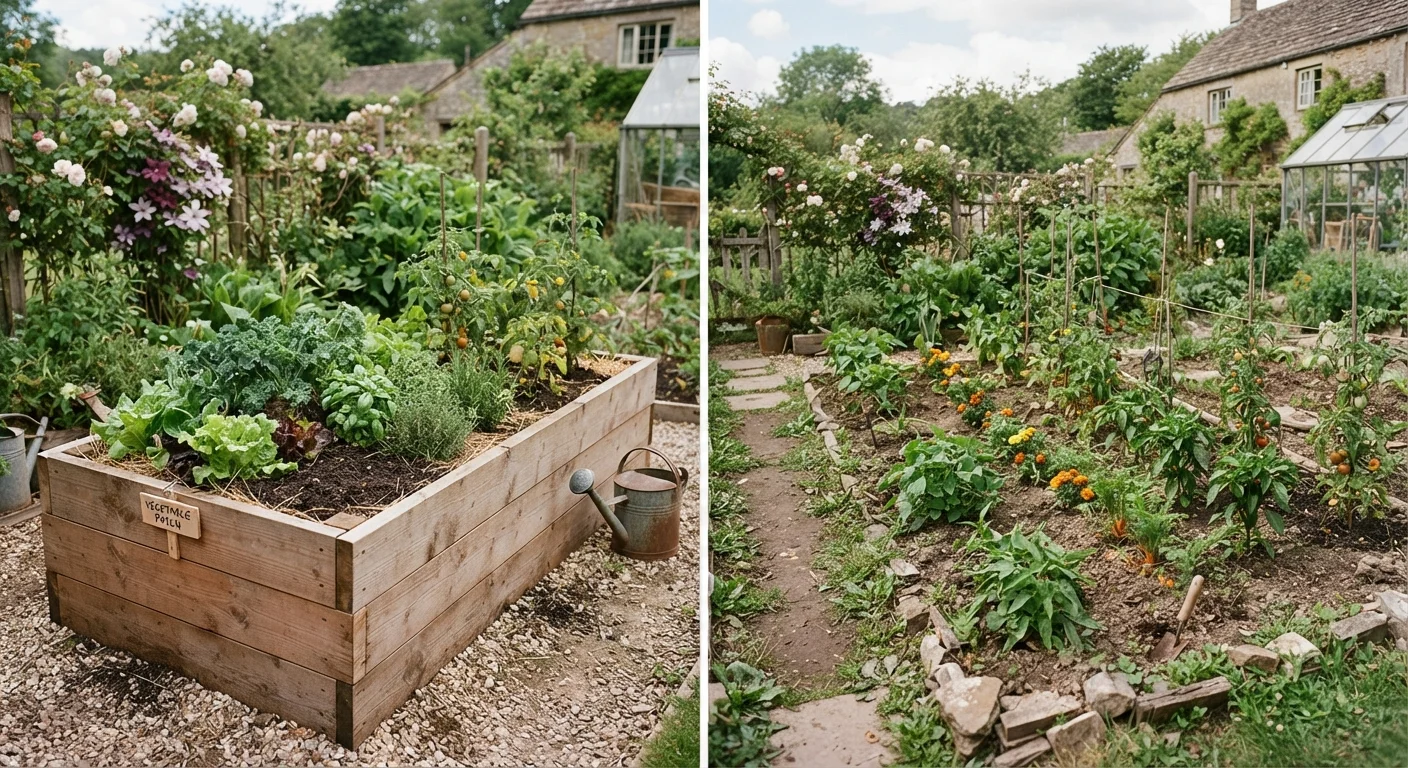
Raised beds require materials to build or buy the structure - untreated cedar, pine, or composite lumber - plus enough quality soil to fill them. A single 4×8-foot bed can run anywhere from $50 for a basic DIY pine build to $300 or more for a pre-built cedar kit. Soil is the biggest variable: filling a 4×8×12-inch bed takes roughly 16 cubic feet of mix. Buying bagged garden soil adds up fast. Sourcing bulk soil or mixing your own compost and topsoil is substantially cheaper, but still a real line item.
In-ground planting can begin with almost no material cost if your soil is decent. You mark off a plot, loosen the earth, add some compost, and plant. The primary investment is labor and time. If your soil is poor - heavy clay, compacted, or low in nutrients - amendments like compost, lime, or sulfur become ongoing expenses, often running $20-$60 per season until the soil structure improves.
See our guide to starting a garden on a tight budget for a breakdown of what actually needs spending and what doesn't.
| Criterion | Raised Beds | In-Ground Planting |
|---|---|---|
| Typical startup cost | $50-$300+ per bed | $0-$80 (amendments only) |
| Soil control | Full - you import your mix | Depends on native soil quality |
| Weed pressure | Low to moderate | Moderate to high |
| Scalability cost | High - each bed adds cost | Low - space is the main limit |
| Lifespan of structure | 10-20 years (cedar) | Indefinite (no structure) |
| Renter-friendly | Yes, semi-portable | Generally no |
| Annual soil inputs | Compost replenishment needed | Decreases as soil improves |
Long-Term Costs: Where Each Method Gains or Loses Ground
Year one is rarely the full story. Here's how costs evolve after your garden is established.
Raised beds tend to level off after the initial build. A well-constructed cedar bed can last 10-20 years. You'll still need to replenish soil organic matter annually - a few bags of compost or a compost pile helps significantly - but your major structural costs are behind you. Weeding is also reduced because you control what goes into the bed, which saves time and money on herbicides or mulch. Water efficiency can be higher in raised beds, especially if you add drip irrigation.
The math shifts when you need multiple beds to grow meaningfully. Three or four beds add up to a significant material investment that in-ground gardeners simply don't face at the same scale.
In-ground planting gets cheaper over time if you invest in your soil biology. Regular composting, cover cropping, and minimal tilling build soil health year over year, reducing the need for purchased inputs. The challenge is patience - improving poor native soil can take two to four growing seasons before you see full results. Weed pressure is typically higher in-ground, and managing it without chemicals requires consistent mulching (which does carry a cost) or manual effort.
$20-$60
Typical annual soil amendment cost (in-ground)
General estimate for adding compost, lime, or similar inputs to an established in-ground garden bed annually.
16 cu ft
Soil needed to fill one 4×8×12" raised bed
A standard raised bed size; bulk soil purchase is significantly cheaper than bagged products for this volume.
2-4 seasons
Time to improve poor native soil in-ground
Building soil organic matter through composting and cover cropping typically takes multiple growing seasons to show meaningful results.
For guidance on where new gardeners typically overspend, our article on common budget gardening pitfalls is worth reading before you commit to either system.
Soil, Space, and Situation: What Should Drive Your Decision
Beyond raw cost, a few practical factors often determine which approach actually makes sense for your situation.
Soil quality is the most important variable. If a basic soil test (usually available through your local cooperative extension service for under $20) reveals heavily compacted or nutrient-depleted ground, in-ground gardening becomes a multi-year remediation project before it's productive. Raised beds sidestep this entirely by importing the soil you want.
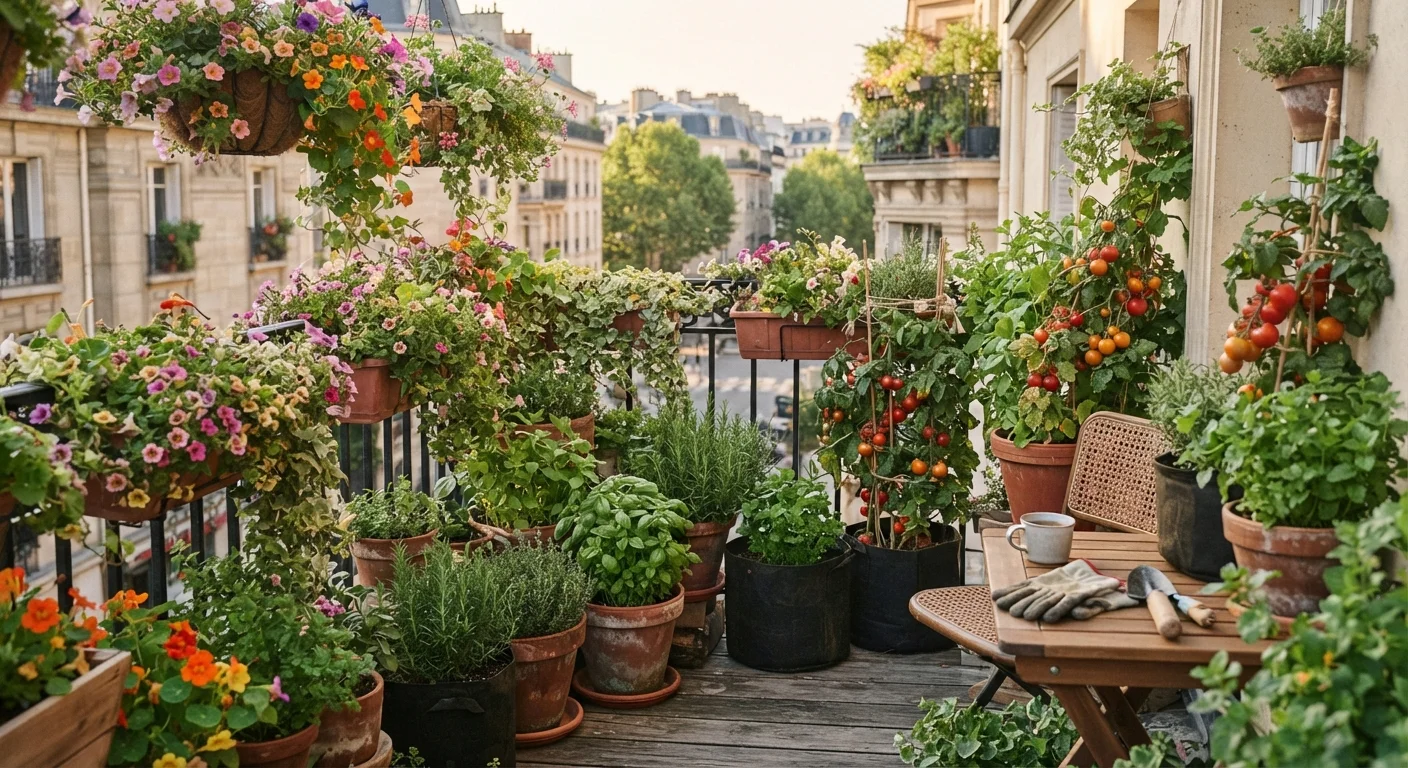
Renters face a structural constraint: in-ground planting typically requires landlord approval and leaves improvements behind when you move. Raised beds can sometimes be disassembled and moved, making them a more practical option. For truly flexible setups, container gardening is worth comparing alongside both approaches.
Scale matters too. If you want to grow a meaningful portion of your own vegetables - not just a few tomato plants - in-ground planting scales far more affordably per square foot. A 200-square-foot in-ground plot might cost $30-$80 in amendments in year one. Replicating that square footage across raised beds could cost $500 or more.
Whatever system you choose, spending wisely on seeds makes a real difference. Our comparison of garden centres vs. online seed suppliers can help stretch your plant budget further. And when you're choosing what to grow, understanding perennials vs. annuals can significantly change your long-term cost picture in either setup.