
Why Garden Watering Costs More Than It Should
For many budget-conscious gardeners, the water bill is the surprise that shows up after planting season gets underway. Overwatering, poor timing, and the wrong delivery method all turn a low-cost hobby into a recurring expense. The good news: most garden water waste is avoidable with a few deliberate habit changes - no expensive gadgets required.
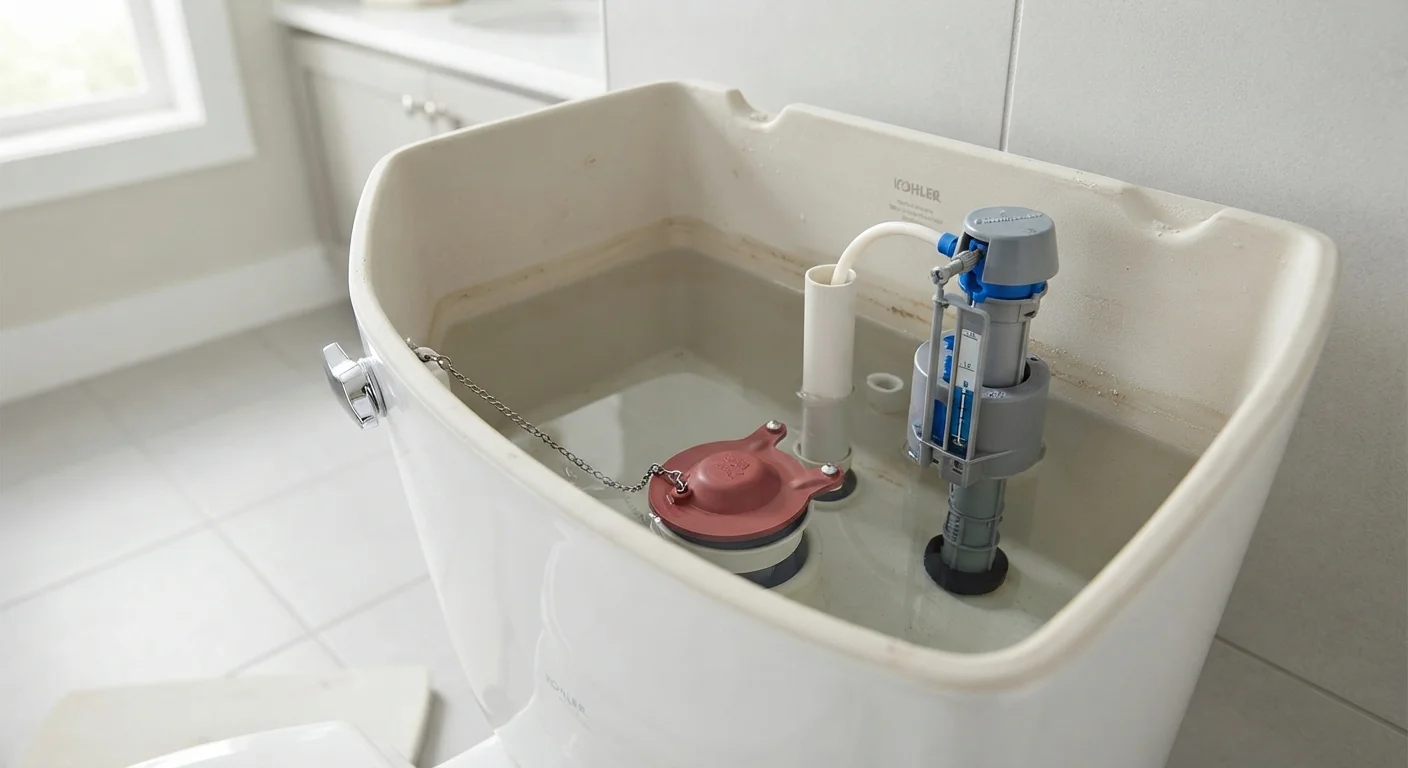
If you're also tracking household water use indoors, it's worth reading about how a running toilet wastes water - the principles of waste reduction apply across your whole home. And if you want a broader picture of trimming household utility costs, home energy savings strategies offer complementary approaches.
Best Practices for Water-Smart Gardening
The following practices are proven, low-cost methods to stretch every gallon you put into the ground.
Water in the early morning, not midday or evening.
Morning watering gives plants time to absorb moisture before daytime heat causes evaporation. Evening watering leaves foliage wet overnight, which encourages fungal diseases like powdery mildew - potentially costing you plants and money.
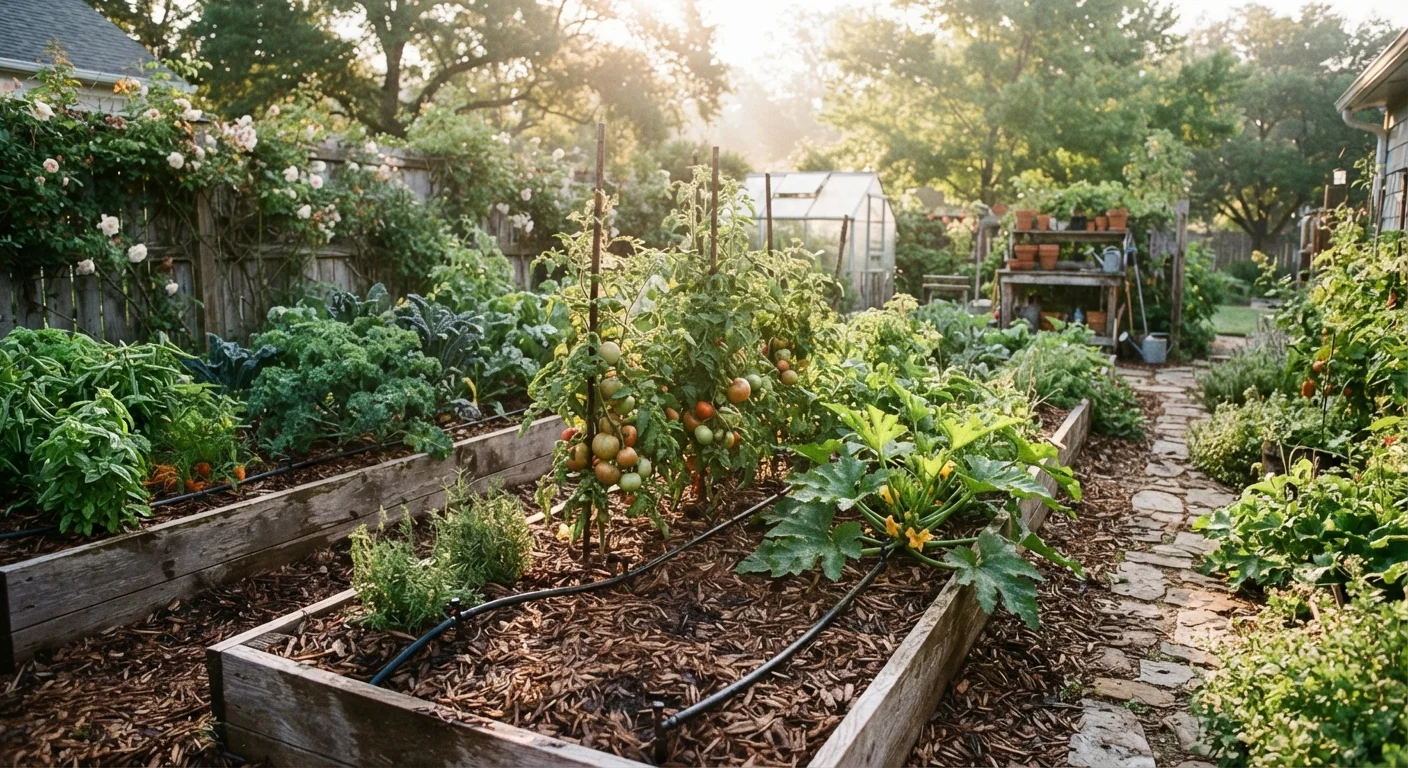
Apply a 2-3 inch layer of mulch over all bare soil.
Mulch acts as a moisture barrier, dramatically slowing evaporation from the soil surface. It also moderates soil temperature and suppresses weeds that compete for water. Wood chips, straw, and shredded leaves are all effective and often free or low-cost.
Switch from overhead sprinklers to drip irrigation or soaker hoses.
Overhead watering wets the entire garden surface and foliage, much of which never reaches roots. Drip systems and soaker hoses deliver water slowly at ground level, right where roots can use it, reducing waste substantially.
Group plants by their water needs - a practice called hydrozoning.
Watering drought-tolerant herbs on the same schedule as thirsty vegetables wastes water on plants that don't need it. Grouping plants with similar needs into defined zones makes every watering session more efficient.
Collect rainwater using barrels or buckets connected to downspouts.
Rainwater is free, naturally soft, and often preferred by plants over treated tap water. Even a modest collection setup can supply meaningful amounts of water during dry stretches, cutting metered water use.
Check soil moisture before watering, not on a fixed schedule.
Watering on a rigid schedule ignores what the soil actually needs, leading to overwatering - the most common cause of both high water bills and plant death. Soil should be moist several inches down before you water again.
Quick Actions You Can Take Today
You don't need to overhaul your entire garden setup to start saving water. A few immediate changes can make a measurable difference this season.
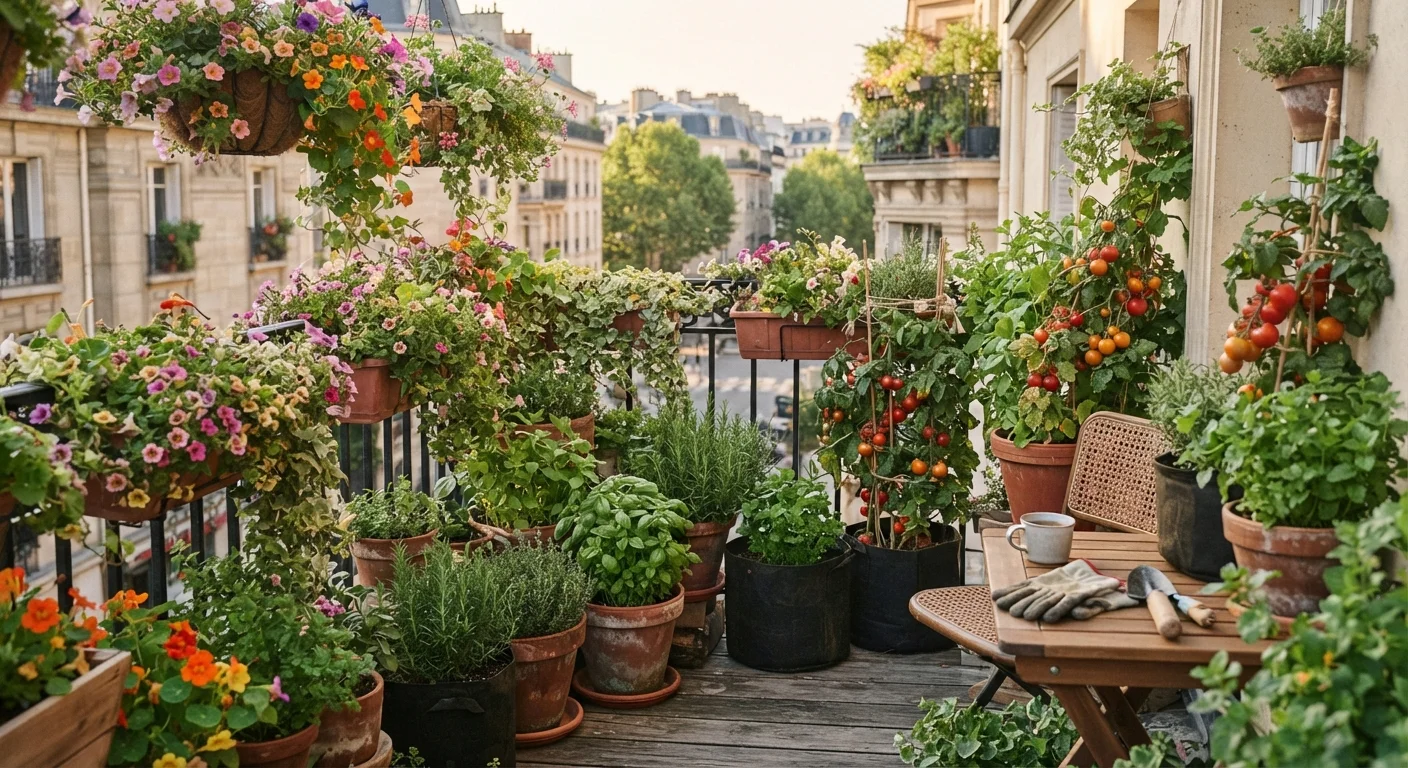
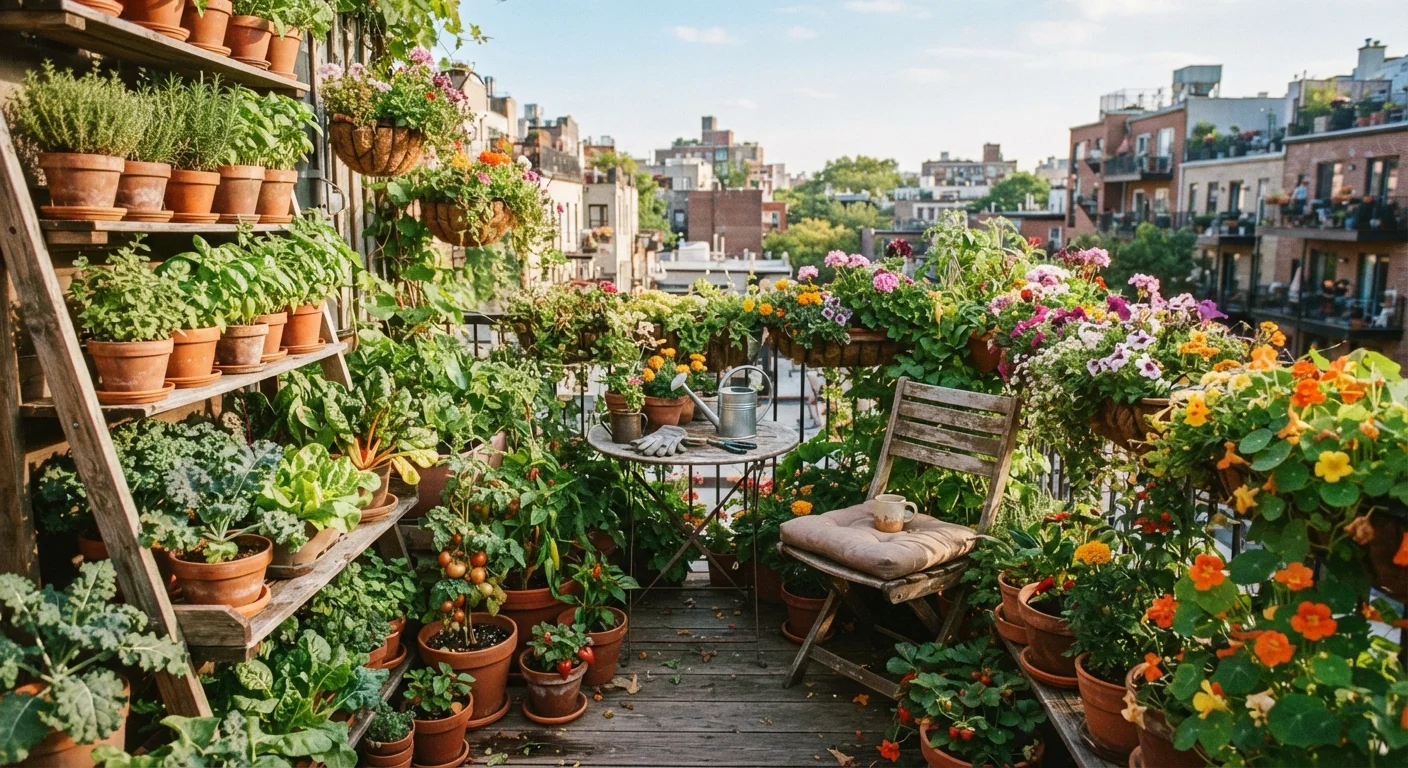
Container gardeners face particular watering challenges - pots dry out much faster than in-ground beds. See our honest guide to container gardening costs for strategies specific to potted plants. And if you're gardening without a yard, renter-friendly gardening tips can help you make the most of limited space.
Check Local Water Restrictions First
Many municipalities impose seasonal watering restrictions, particularly during drought conditions. Before setting up any automated irrigation or rain collection system, verify your local water authority's rules - some regions regulate rainwater harvesting or specify permitted watering hours. Your utility provider's website is usually the fastest place to check.
Putting It All Together
Water-smart gardening isn't about spending more - it's about being deliberate. Mulching, timing, and efficient delivery systems are all low-cost or free. Even small habit changes, like shifting watering to early morning or grouping thirsty plants together, compound into meaningful savings over a growing season.
Before investing in any garden upgrade, it's worth reviewing common budget gardening pitfalls to make sure your money goes where it actually matters. For a wider look at trimming household costs, cutting utility bills without discomfort covers practical steps across electricity, water, and gas.
~30%
Household water used outdoors on average
The U.S. Environmental Protection Agency estimates that roughly 30% of the average American household's water use occurs outdoors, much of it in landscaping and gardens.
50%
Evaporation reduction from mulching
Research from university cooperative extension programs consistently indicates that a proper mulch layer can reduce soil moisture evaporation by approximately 50% compared to bare soil.