
The Core Idea - and Where It Came From
Companion planting isn't a new trend. Indigenous agricultural traditions in North America, particularly the Three Sisters system used by many Native peoples, combined corn, beans, and squash for centuries. The corn provides a structure for beans to climb, beans fix nitrogen in the soil, and squash leaves shade the ground to suppress weeds and retain moisture. This is one of the clearest, best-documented examples of companion planting working as advertised.
Modern organic gardening adopted and expanded the concept - sometimes far beyond what the evidence supports. Today, companion planting charts list hundreds of plant pairings, many of which are repeated from garden lore with little scientific validation. That doesn't make them worthless, but it does mean you should approach them with realistic expectations rather than treating every pairing as proven.
Folklore vs. Evidence: A Key Distinction
Many companion planting recommendations have been repeated across gardening books and websites for decades without ever being tested in controlled conditions. That doesn't mean they're wrong - gardener observation has real value - but it does mean you shouldn't stake your entire growing season on an unverified pairing. Use evidence-backed combinations as your foundation and treat others as low-risk experiments.
What the Evidence Actually Shows
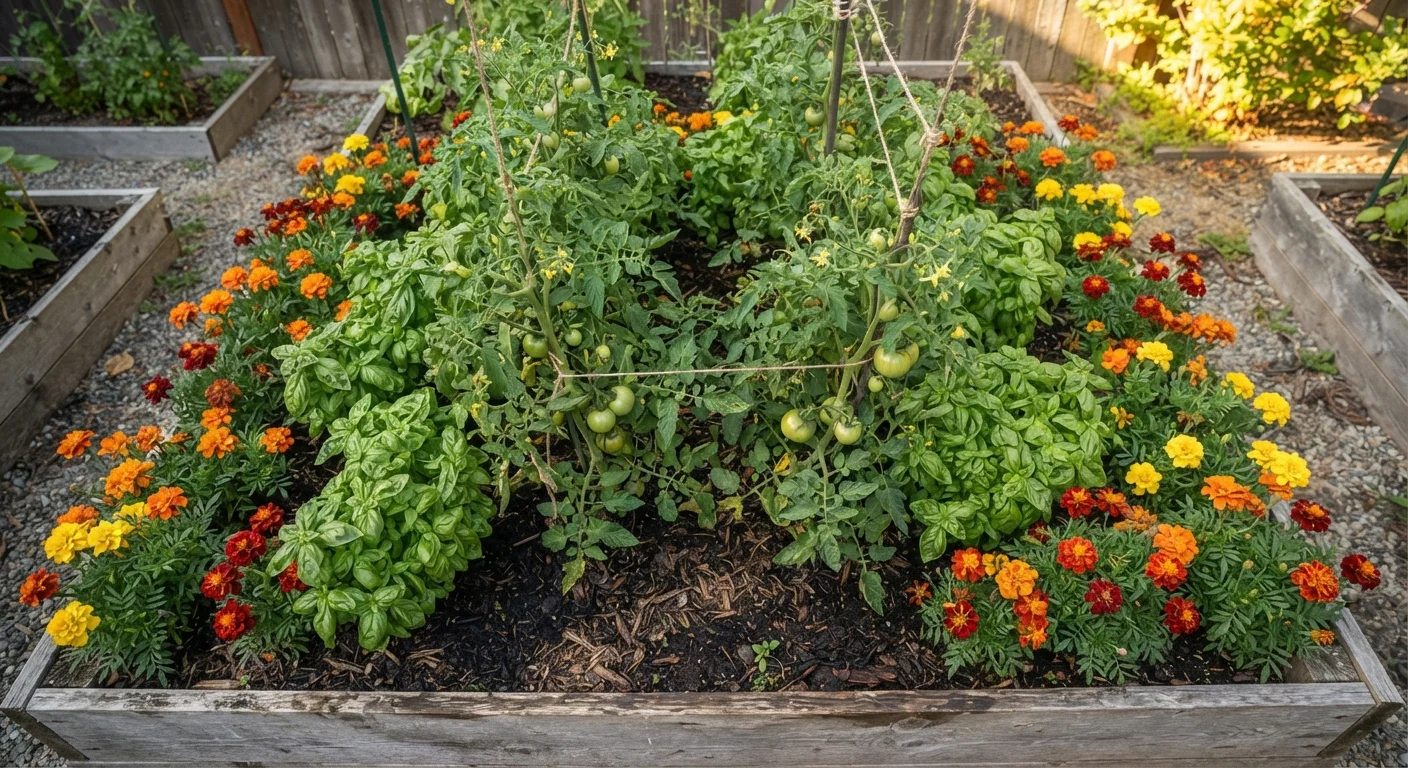
Research on companion planting is genuinely mixed. A small number of pairings have measurable, reproducible effects under study conditions. Marigolds (Tagetes species) planted near tomatoes or brassicas like broccoli can reduce populations of certain soil nematodes and some aphid species - this has been observed across multiple studies. Planting flowers that attract beneficial insects, such as dill or fennel (kept away from most vegetables), can increase pollinator visits and support predatory insects that control pests naturally.
Many other popular pairings - like basil improving tomato flavor - have very little controlled evidence. The effect, if it exists, likely comes from basil attracting pollinators or masking tomato plant scent from pests, not from a direct chemical interaction. That's still potentially useful, just not magical.
~60%
Nematode reduction from marigold interplanting
Some university extension studies have documented meaningful reductions in soil nematode populations when French marigolds are grown as a cover crop before or alongside susceptible vegetables.
3-in-1
Functions delivered by the Three Sisters system
Corn, beans, and squash grown together provide structural support, nitrogen fixation, and ground-cover weed suppression simultaneously - all without purchased inputs.
Does Companion Planting Actually Save You Money?
This is where budget-conscious gardeners need a clear-eyed view. Companion planting can reduce spending in two areas: pest control products and soil amendments. If a companion pairing cuts your aphid problem in half, that's money not spent on an insecticidal soap. If nitrogen-fixing beans reduce how much fertilizer you apply to neighboring crops, you save there too.
But companion planting rarely eliminates these costs - it may lower them. And if poor planning leads to overcrowded plants competing for nutrients and light, you could end up with lower yields and wasted seeds. That's a net cost, not a saving. The smart approach is to treat companion planting as one part of a broader budget gardening strategy. See our guide to common budget gardening pitfalls for context on where gardening money gets wasted most often.
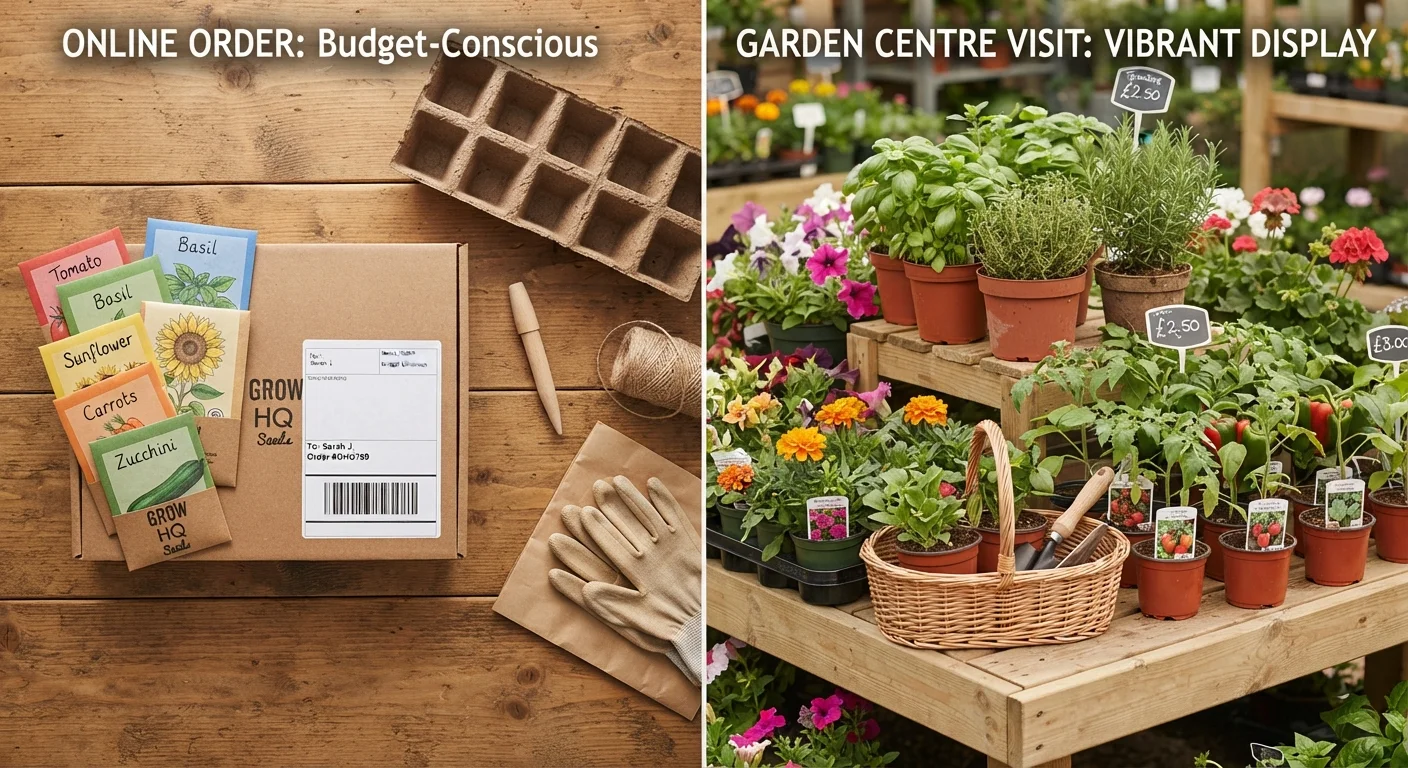
If you're starting from seeds anyway, adding a companion plant beside an existing crop costs almost nothing extra. The source where you buy seeds matters more to your bottom line than whether you companion plant at all.
Practical Pairings Worth Trying
Rather than following a sprawling companion planting chart wholesale, focus on a few evidence-backed or widely-practiced combinations with low downside risk:
- Tomatoes + marigolds: Plant French marigolds around the border of your tomato bed. They're inexpensive, attractive, and may deter whiteflies and nematodes.
- Corn + beans + squash (Three Sisters): Requires space, but delivers a self-supporting, soil-enriching system. Best for ground-level gardens rather than containers.
- Brassicas + nasturtiums: Nasturtiums can act as a trap crop, drawing aphids away from broccoli or cabbage. Check and remove infested nasturtium leaves regularly.
- Carrots + onions: Frequently cited as mutually deterrent to carrot fly and onion fly. Evidence is anecdotal but risk is low - both crops are cheap to sow.
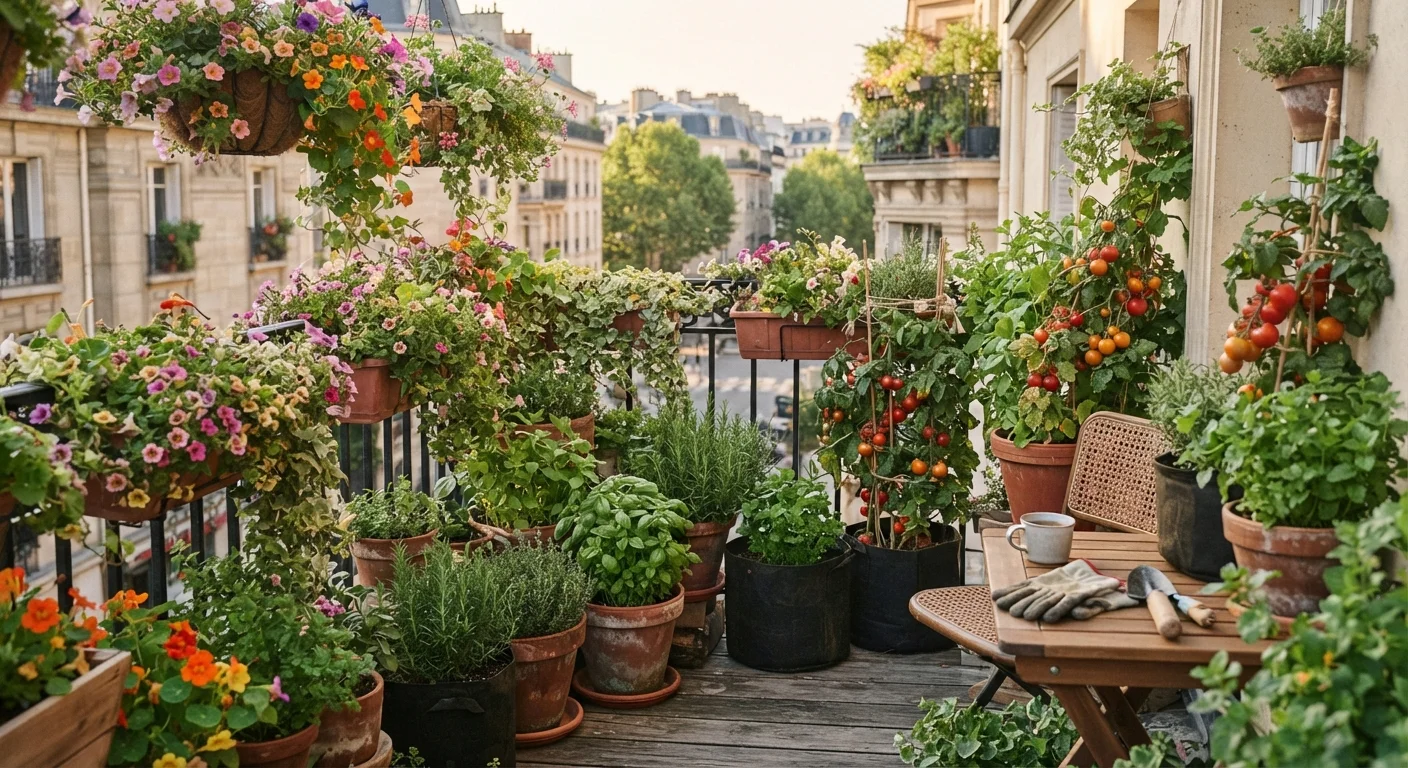
For renters or those with limited outdoor space, the realities of container gardening shape which pairings are actually feasible. A large container with a tomato and a ring of basil is practical; attempting Three Sisters in a 12-inch pot is not.
Start With One or Two Pairings
Rather than overhauling your entire garden layout based on a companion planting chart, pick one or two pairings with a clear, commonly-reported benefit and try them this season. Track whether you notice a difference in pest pressure or yield. This gives you useful, personal evidence without risking your whole harvest on unproven theory.
The Honest Bottom Line
Companion planting is a legitimate, low-cost strategy worth incorporating - but it isn't a cure-all, and it won't transform your garden overnight. Approach individual pairings skeptically: if there's credible evidence or widespread grower experience behind a combination, try it. If it's based purely on an old chart with no explanation, treat it as an experiment rather than a guarantee.
The real financial win from companion planting comes from smarter use of space and reduced dependence on purchased inputs - not from any single magical pairing. Combine it with seasonally-minded growing habits (see our article on how seasonal produce affects your grocery bill) and a thoughtful balance of perennials and annuals to build a garden that genuinely costs less over time.