
What's Actually in That Bag
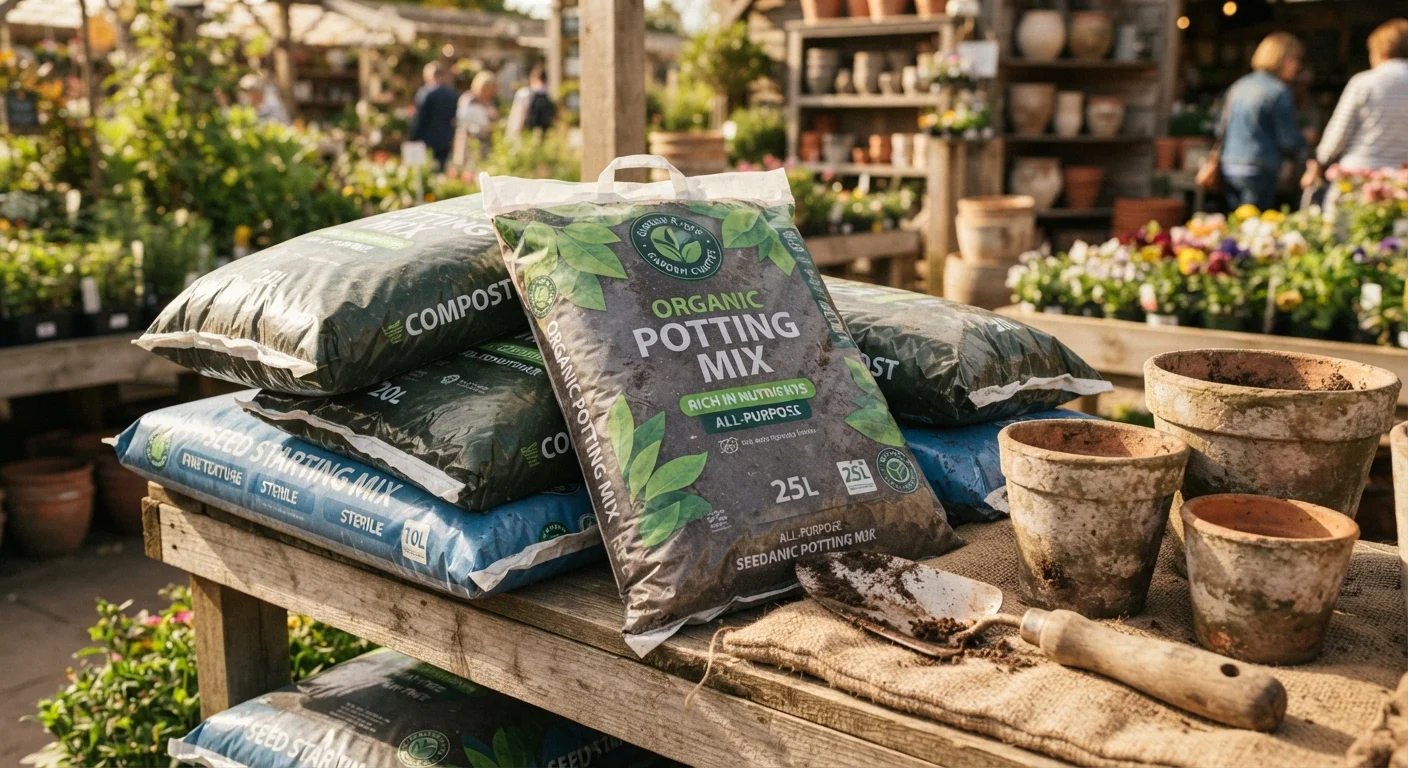
Walk into any garden center and you'll find a wall of potting mix options ranging from a few dollars to upward of $20 a bag. The packaging varies wildly - some promise 'professional-grade' results, others tout organic certification or moisture-control technology. But the core ingredients across most of these products are remarkably similar.
Standard potting mix is typically built from: a fibrous base material (usually peat moss or coco coir), a drainage amendment (perlite or vermiculite), and some form of organic matter or slow-release fertilizer. That's essentially it. Premium products may add branded fertilizer blends, wetting agents, or mycorrhizal fungi - additions that can help, but rarely justify a price doubling.
Understanding this structure helps you make smarter choices. If a budget mix feels too dense, you can add perlite - often sold cheaply in bulk. If it lacks nutrients, a small bag of general-purpose compost stirred in at planting can close the gap. This kind of informed DIY adjustment is at the heart of smarter spending decisions across any product category.
Myth
A higher price tag means better ingredients and healthier plants.
Fact
Most potting mixes - budget and premium alike - are built from the same core materials: peat moss or coco coir, perlite or vermiculite, and some form of compost.
Premium bags often charge for branding, packaging, and marketing rather than meaningfully superior ingredients. A basic mix from a hardware store and a boutique garden center product may differ very little in actual composition. Before spending more, flip the bag over and compare ingredient lists - not front-panel claims.
Myth
Cheap potting mix will always stunt your plants or cause them to fail.
Fact
For most common container plants - tomatoes, herbs, annual flowers - an affordable general-purpose potting mix performs adequately when used correctly.
Plant failure in containers is more commonly caused by overwatering, poor drainage, inadequate sunlight, or incorrect pot sizing than by the mix itself. A modestly priced mix with proper watering habits will outperform an expensive one that's misused. See common budget gardening pitfalls for a fuller picture of where gardening money actually gets wasted.
Myth
You always need to buy potting mix - garden soil from your yard works just as well in pots.
Fact
Garden soil is generally unsuitable for containers because it compacts heavily, restricts root growth, and can introduce pests and pathogens.
This is one case where spending something on a bagged mix - even a budget one - is genuinely worthwhile. Potting mixes are engineered to stay loose and drain well in the confined space of a container. Outdoor soil does not behave the same way once removed from a living, biologically active garden bed. The good news: you don't need to spend a lot, just don't skip it entirely.
Myth
Specialty mixes labeled 'premium' or 'organic' are always worth the extra cost.
Fact
Specialty mixes are genuinely useful in specific contexts - seed starting, orchids, succulents - but are unnecessary for general container gardening.
A seed-starting mix needs to be fine-textured and nearly sterile for good germination. Orchid bark needs rapid drainage and air circulation that standard mix can't provide. But for a patio tomato or a window box of herbs, a general-purpose mix amended with a handful of compost will serve just as well as anything labeled 'premium.' Match the mix to the task, not to the price point.
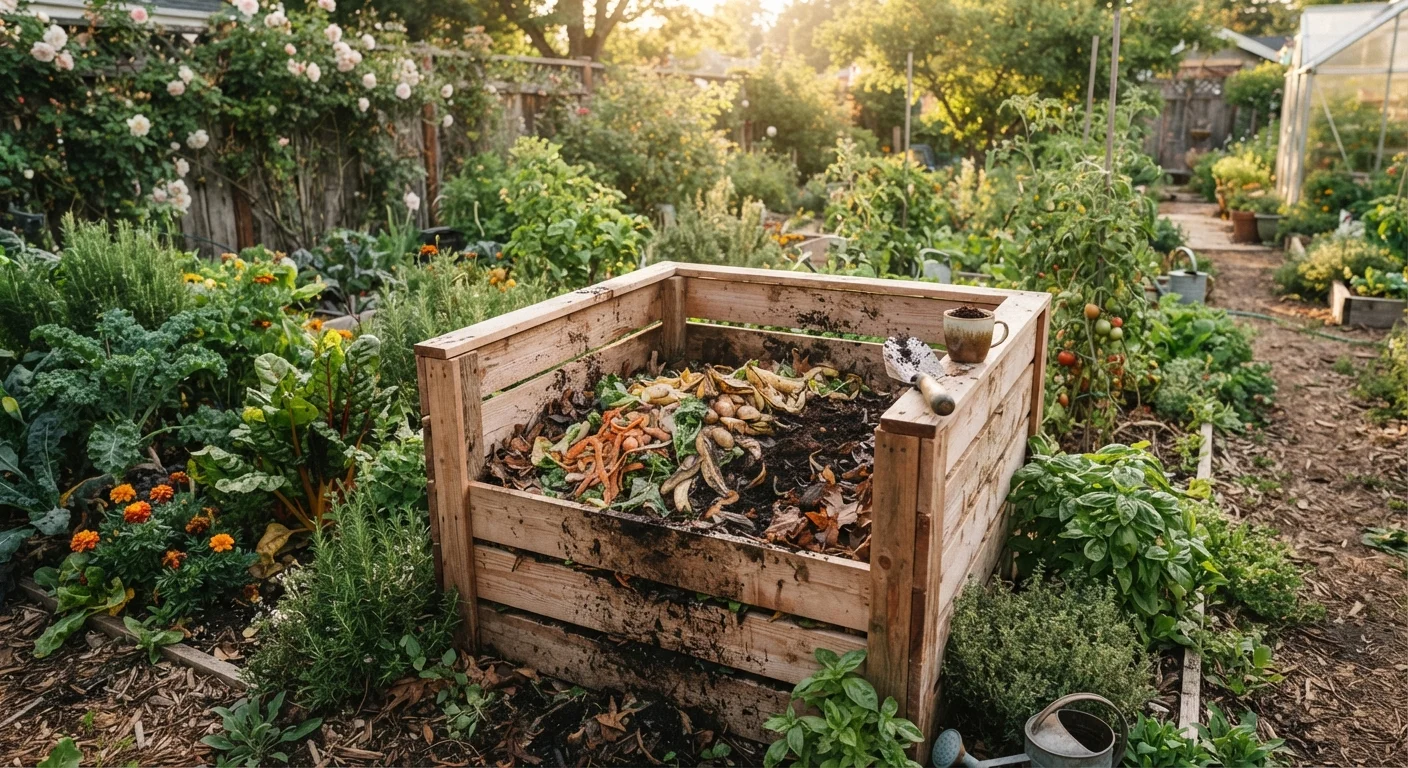
If you're interested in generating your own soil amendment for free, making compost at home is one of the most cost-effective upgrades any container gardener can make.
Myth
Buying in bulk or large bags always saves money.
Fact
Large bags only save money if you'll actually use the mix before it degrades - unused potting mix stored improperly loses structure and biological activity.
Potting mix can break down, become compacted, or dry out irreversibly if stored open or in damp conditions. For renters or small-space gardeners with just a few containers, a medium bag used fully is often a better value than a large bag used halfway. Consider the real ongoing costs of container gardening before stocking up on supplies you may not need.
When Price Actually Does Matter
This isn't an argument that all potting mix is equal - it isn't. There are genuine situations where a specific product is worth the cost, and conflating 'price doesn't always matter' with 'price never matters' is its own kind of mistake.
Watch Out for 'Moisture Control' Marketing
Mixes marketed as 'moisture control' or 'water-saving' often contain added polymers that can waterlog roots if overwatering is already a habit. These formulas tend to be pricier, but they aren't universally beneficial - in humid climates or for drought-tolerant plants, they may do more harm than good. Read ingredients, not just label claims.
Seed starting is one clear exception. Seeds need fine, low-nutrient, pathogen-free media to germinate reliably. A chunky general-purpose mix with bark pieces can impede germination and cause damping off (a fungal condition that kills seedlings at soil level). A purpose-made seed-starting mix is worth buying - and fortunately, you only need a small amount.
Specialist plants are another exception. Orchids, succulents, cacti, and blueberries have root systems adapted to very specific soil conditions. Using the wrong mix - regardless of its price - will stress or kill these plants. In these cases, matching the growing medium to the plant's actual needs matters more than any price consideration.
For everything else - annual vegetables, most herbs, common houseplants, flowering containers - a mid-range general-purpose mix used correctly is almost always sufficient. Pair it with good drainage and consistent watering habits, and you'll rarely need to spend more. See where your gardening money goes further for related guidance on prioritizing spend across supplies.
Don't Skip Drainage - Ever
Regardless of which potting mix you choose, poor drainage is the leading cause of container plant death. Always ensure your containers have drainage holes, and consider adding perlite to any dense or compact mix. No price tier protects plants from waterlogged roots.