
How Each Thermostat Type Actually Works
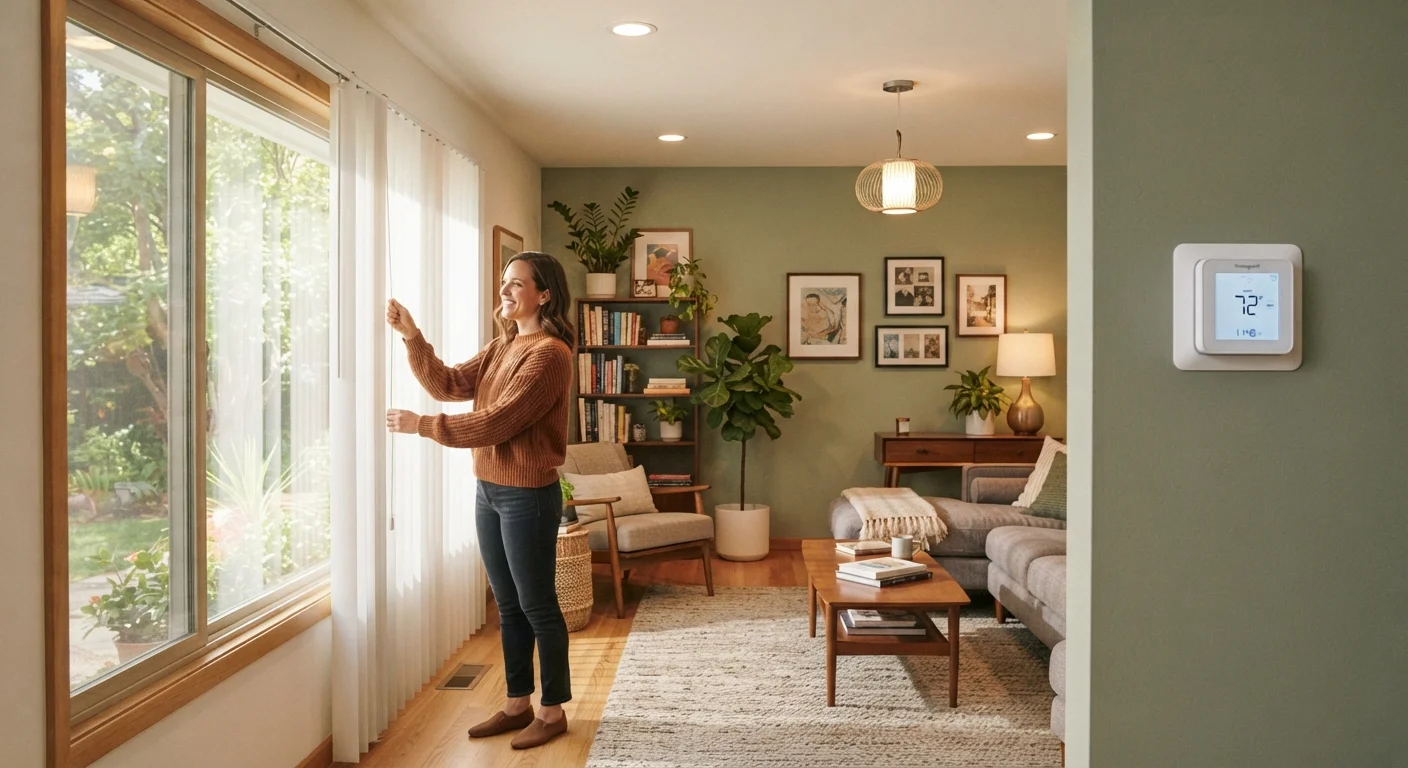
A programmable thermostat lets you pre-set temperature schedules - different settings for morning, daytime, evening, and night - across each day of the week. Once programmed, it follows that schedule without further input. The technology is mature, reliable, and widely supported by HVAC systems. The limitation is rigidity: if your schedule changes, the device keeps running its original program unless you manually update it.
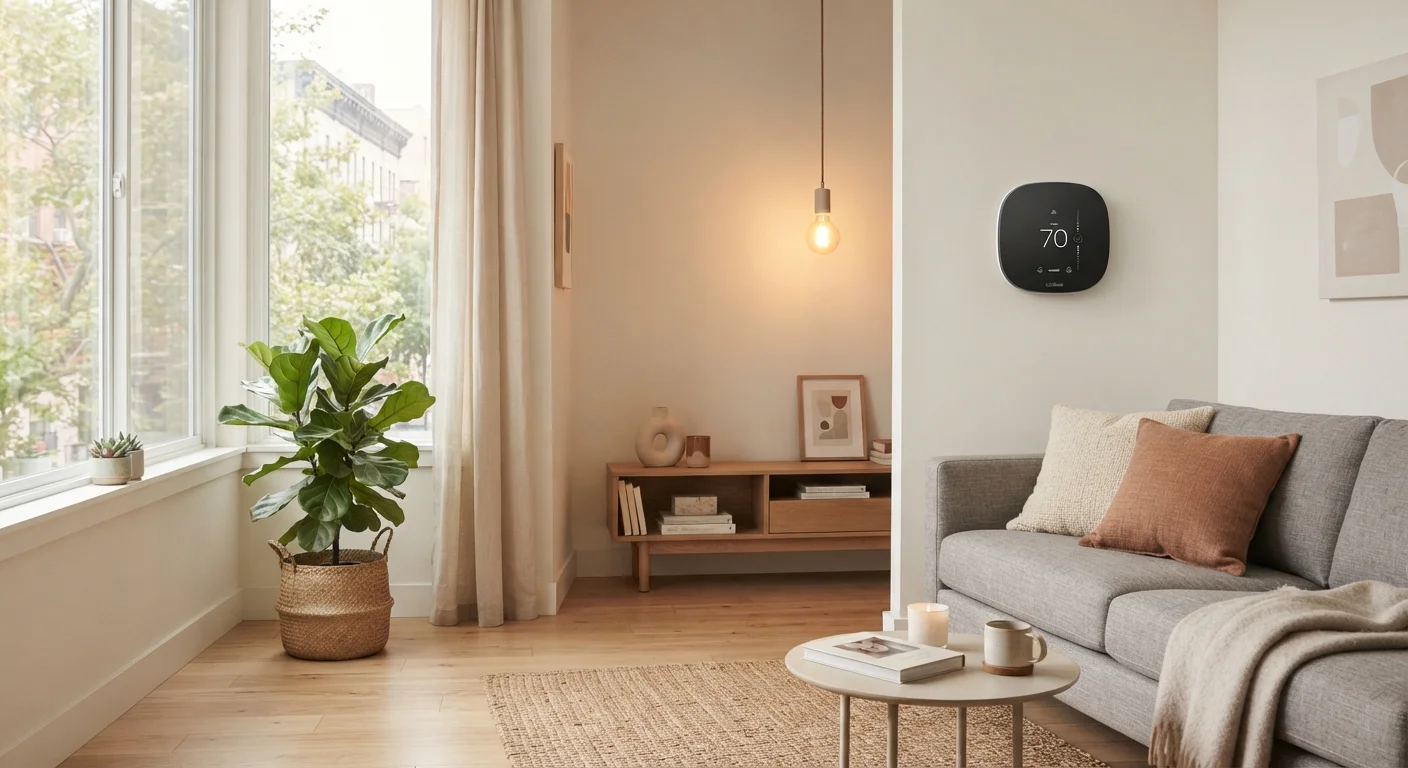
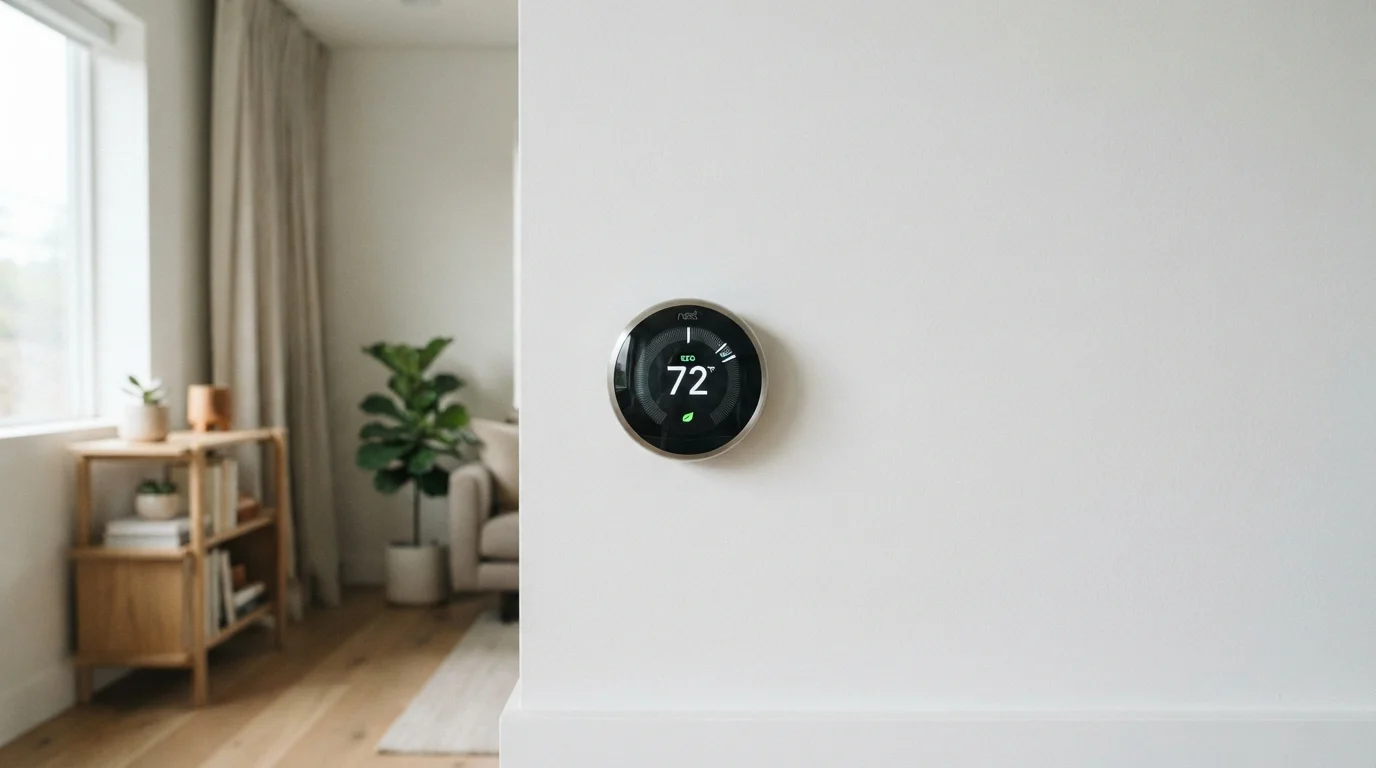
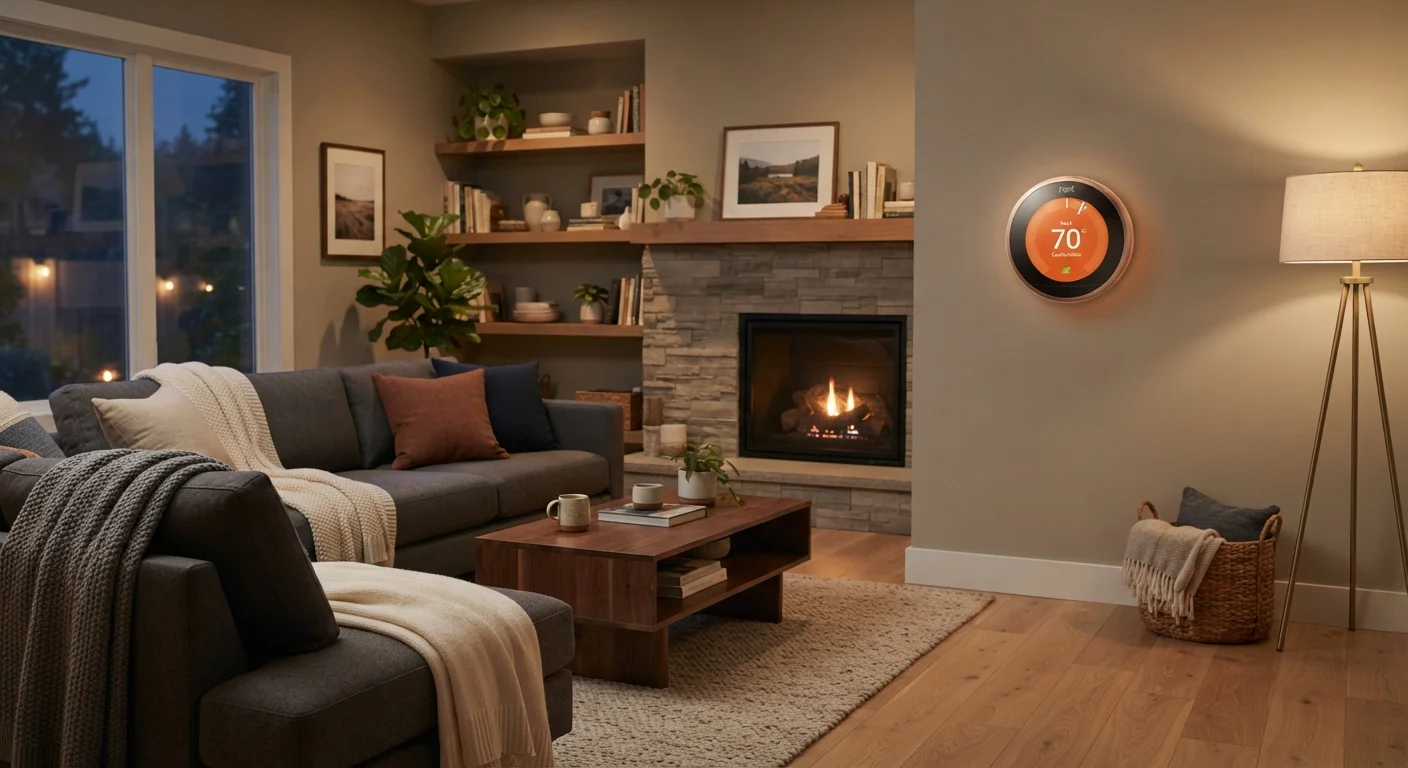
A smart thermostat adds a layer of intelligence on top of scheduling. Most models connect to your home Wi-Fi, enabling remote control through a smartphone app. Many use sensors and machine learning to detect occupancy patterns and build a schedule automatically. Some integrate with weather data to pre-condition your home before a temperature swing arrives. These features reduce the chance of wasting energy on an empty house - a common failure mode of programmable models that users forget to override.
For a broader foundation on managing household energy use, see our home energy savings primer.
Cost Comparison: Upfront vs. Long-Term
Programmable thermostats are typically available in the $20-$60 range, while smart thermostats generally run $150-$300 or more. That gap can look daunting, but it's not the whole picture.
| Criterion | Programmable Thermostat | Smart Thermostat |
|---|---|---|
| Typical upfront cost | $20-$60 | $150-$300+ |
| Schedule flexibility | Manual updates required | Learns and auto-adjusts |
| Remote control | Not available | Via smartphone app |
| Occupancy detection | No | Yes (most models) |
| Utility rebate eligibility | Rarely | Often yes |
| Savings potential (annual) | Up to ~10% with consistent use | 8-15% with active features |
| Installation complexity | Generally simple | May need C-wire or adapter |
| Best household fit | Predictable daily routines | Variable or busy schedules |
The U.S. Department of Energy notes that consistently setting back temperatures by 7-10°F for 8-hour periods can cut heating and cooling costs by around 10% per year. If your annual HVAC bill is $1,200, that's roughly $120 in savings - meaning a smart thermostat could pay for itself in two to three years, assuming you actually use its features.
Crucially, many utility companies offer rebates of $25-$100 for installing qualifying smart thermostats. Check your provider's website before purchasing; these incentives can significantly shorten the payback period.
~10%
Annual HVAC savings from consistent setback
The U.S. Department of Energy estimates this figure for households that lower temperatures 7-10°F for 8 hours daily.
$25-$100
Typical utility rebate for smart thermostats
Many U.S. utility providers offer rebates on qualifying smart thermostat installations; amounts vary by provider and region.
8-15%
Heating cost reduction from smart thermostat use
Figures drawn from multiple independent energy studies, assuming correct installation and active use of the device's features.
For more strategies to lower your overall utility spending, our guide on cutting utility bills without sacrificing comfort covers the full picture.
Real-World Savings: What the Evidence Suggests
Studies on smart thermostat performance show mixed but generally positive results. Research commissioned by thermostat manufacturers and independently reviewed by energy organizations suggests smart thermostats save approximately 8-15% on heating costs and around 10-12% on cooling costs compared to households without any programmable control. However, these figures assume the device is correctly installed and its features are actively used.
Programmable thermostats can achieve similar percentages - but only when users stick to the programmed schedule consistently and actually update it when routines change. In practice, research has found that many households with programmable thermostats revert to manual use, significantly reducing their effectiveness.
The honest takeaway: a smart thermostat has a higher ceiling for savings because it reduces the human discipline required. A programmable thermostat can match or beat it in the hands of a diligent, schedule-consistent household. Our article on thermostat settings that make a real difference explains exactly which temperature adjustments have the biggest impact regardless of device type.
Practical Considerations Before You Decide
HVAC compatibility: Not all smart thermostats work with every heating and cooling system. Homes with older systems, multi-stage equipment, or certain heat pump configurations may have limited options. Check compatibility before committing to any model.
Installation: Both types are generally DIY-friendly for straightforward replacements, but if your system lacks a common wire (C-wire) - which smart thermostats often require for continuous power - you may need an adapter or professional installation. Any work involving your home's wiring should be approached carefully; when in doubt, consult a licensed HVAC technician.
Privacy and connectivity: Smart thermostats collect usage data to optimize performance. If data privacy is a concern, review the manufacturer's data policy before installation.
Thermostat upgrades work best as part of a broader energy strategy. Pairing better temperature control with seasonal adjustments - covered in our year-round seasonal energy guide - compounds your savings throughout the year. Water heating is another major cost center worth addressing alongside HVAC; our guide on reducing hot water costs offers practical, affordable steps.